

Helping Delta Farmers Save Water with Well Timers
The Nature Conservancy is expanding a proven irrigation efficiency program to help Delta producers save water without sacrificing yields.

Farming in the Mississippi Delta depends on groundwater. More than 20,000 irrigation wells pump about 2 billion gallons of water each day from the Mississippi River Valley Alluvial Aquifer. Over time, pumping has outpaced recharge, and water levels in the aquifer continue to decline. This decline threatens the long-term ability of the Delta to support agriculture, communities, and local industries.
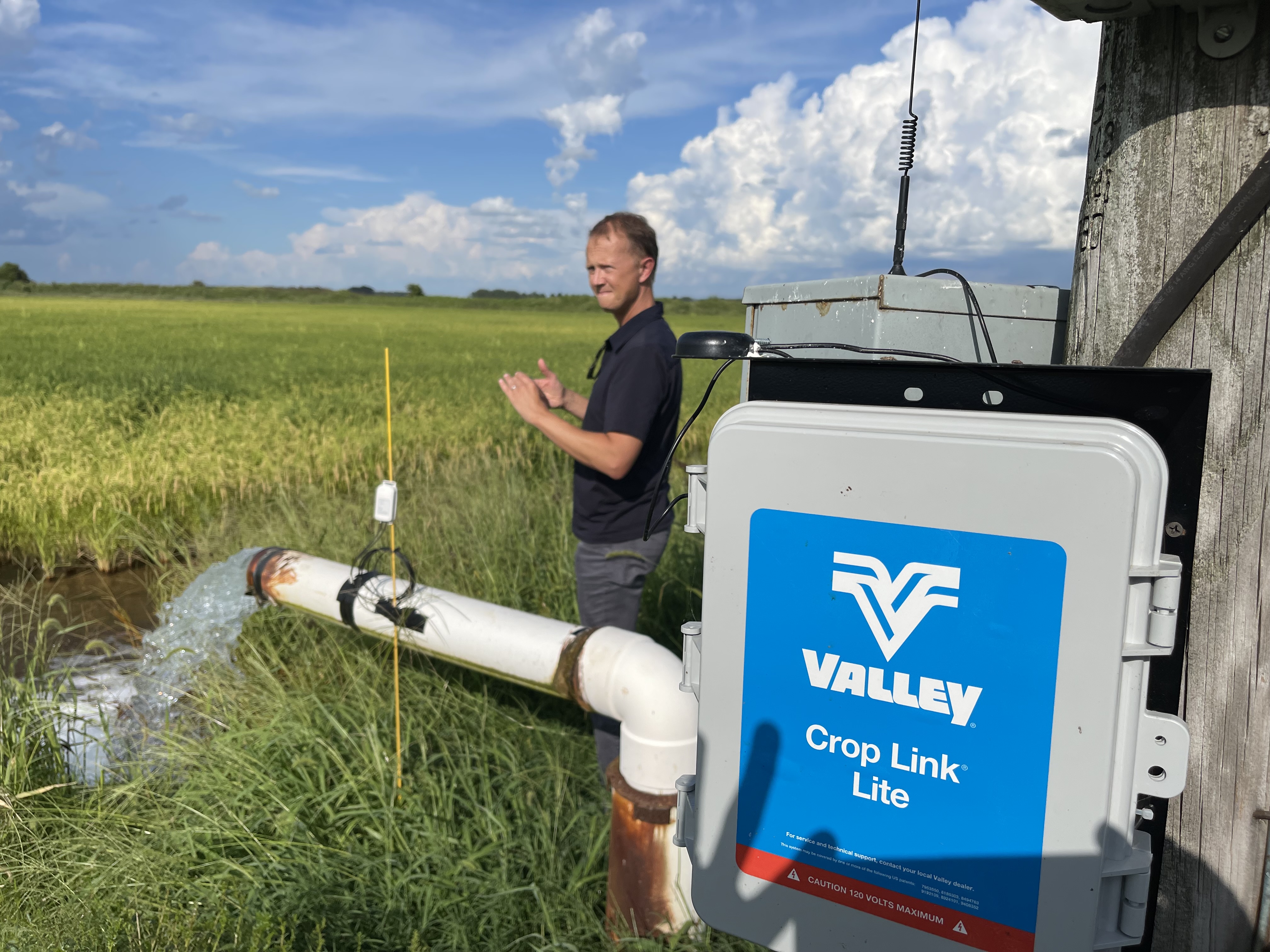
To help address this challenge, The Nature Conservancy in Mississippi is expanding a successful irrigation efficiency program that has already worked well for farmers in Arkansas. Through this program, TNC is offering well timers and installation at no cost to producers.
How the program works
With new funding, TNC will install at least 250 well timers on approximately 25,000 acres in the Mississippi Delta. Each producer may receive up to 10 well timers per year at no cost, helping make this technology accessible to a wide range of farms. Additional funding may allow the program to expand even further in the future.
Well timers are available to producers throughout the Delta, with priority given to farmers who have completed the Mississippi Master Irrigator Program, operate in areas with severe groundwater declines, or grow high water-use crops such as rice.
Enroll in Our Free Well Timer Program
Take the first step toward joining the Well Timer Program.
Start EnrollmentMississippi State University will help evaluate the program by comparing water use on fields with and without well timers using flow meter data. Delta F.A.R.M. will support producer outreach, technical assistance, and field monitoring. The well timers for the programs will be provided by PumpTrakr and FieldPro Management.
This project will help improve irrigation practices on private farmland while conserving a shared resource that the entire Delta depends on — the Mississippi River Valley Alluvial Aquifer.
If you are interested in receiving free well timers and learning more about how this program could work on your farm, fill out this initial enrollment form.
Frequently Asked Questions
-
To get started, you will need to fill out our Irrigation Timer Program Signup Form.
-
Well timers will be available to producers in the Mississippi Delta region with priority given to farmers that have graduated the MS Master Irrigator program and are trained in Irrigation water management.
-
The number of wells funded may vary depending on if they are electric or diesel. For example, diesel units cost less to install and funds may cover as many as 15, if all electric expect an estimated 10 total units.
We recommend adding ~15 wells to be reviewed for funding when applying.
-
The program offers two different types of well timers:
-
First-year subscription fees are covered under the program; additional years' fees will be the responsibility of the applicant.
-
If you have additional questions about the program, you can reach out to TNC Ag Project Manager Will Gray at william.gray@tnc.org.
More from Mississippi

Reviving Loch Leven: How the Farm Bill Restored a Mississippi Floodplain
Loch Leven, a 6,000-acre island in the Mississippi River, is the largest floodplain reconnection project in the Lower Mississippi. This effort was largely funded by the Farm Bill.

Letting the River Run: Using Nature to Decrease Mississippi River Flooding
As floods throughout the Mississippi River Basin become more destructive and unpredictable, communities are changing tactics to give the water a place to go.

Mississippi River Basin
The Mississippi River Basin is indispensable to our way of life—and it needs our help.