
Iowa Learning Farms Virtual Field Day: Pasturing Oxbows
Learn about how pasturing oxbows can optimize benefits to a farm, water and wildlife.

Learn how TNC is restoring oxbow wetlands to help wildlife and people in Iowa.
An oxbow wetland is a meander of a stream, river or creek, that has become separated from the flow of water. Oxbow wetlands store excess water that might otherwise lead to flooding, filter water to improve water quality and provide habitat to a variety of wildlife. Over time, some oxbows fill in with sediment due to erosion of soil in surrounding areas.
Restored oxbows can deliver a range of benefits, helping address water quality challenges while creating valuable habitat for native species.
The ability of an oxbow wetland to process and filter out excess nutrients depends on how long the oxbow can store water before it flows into the nearby stream. Nitrates are a common nutrient necessary for agricultural production but are detrimental to water quality when introduced at high levels. Restored oxbows remove 100 percent of nitrates from the floodwaters they capture.
Studies have shown that, on average, tile-fed oxbows filter 62 percent of excess nutrients from water that flows into them. Oxbows that intercept agricultural tile drainage can filter nearly 100 percent of nitrates from the water if given enough time. Tile drainage is a type of drainage system that removes excess water in soil from below its surface. In many Iowa streams, a significant percentage of water flow is from tile drainage. Urban oxbows also capture and treat a variety of urban contaminants when linked to stormwater discharge.
Oxbows store up to one million gallons of water per acre and can slow stormwater before it enters rivers and streams. When stream flows increase during and after precipitation events, oxbows can intercept some of the flood water and slowly release it back into the stream, helping to reduce flooding for downstream communities and farms. As precipitation events become more extreme due to climate change, this role for oxbow wetlands will become more important. When coupled with stormwater wetlands or basins, oxbows can significantly reduce flooding.
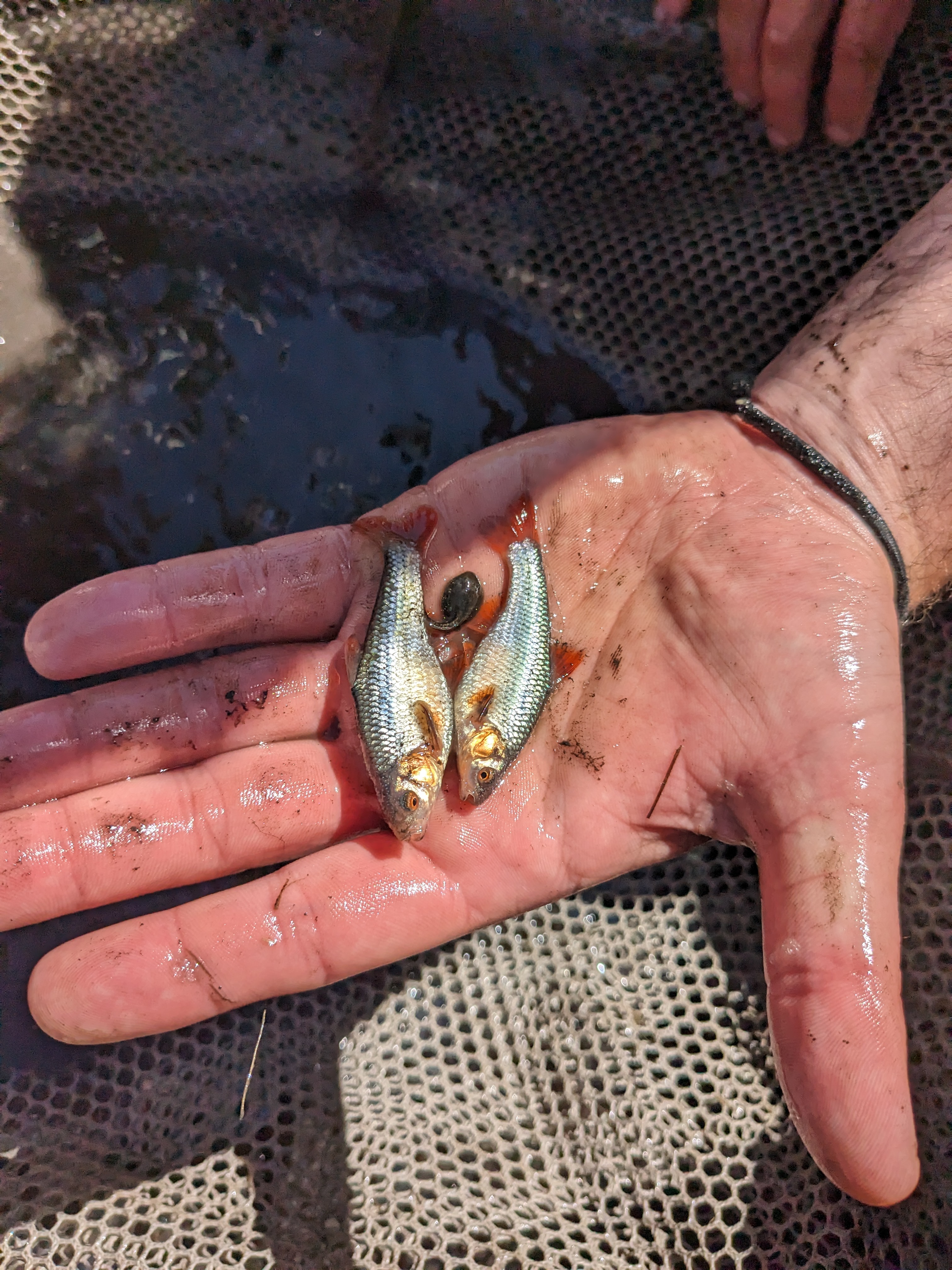
Restored oxbow wetlands provide important habitat for young fish to mature before entering the stream as adults. They also offer vital refuge to smaller fish seeking protection from larger, predatory fish. Fish surveys completed in restored oxbows have found 57 fish species, including green sunfish, fathead minnow and the federally endangered Topeka shiner. Oxbow wetlands are also used by 81 species of migratory birds and waterfowl as feeding grounds and nesting sites. Ducks and geese often begin using newly restored oxbows as soon as water is restored.
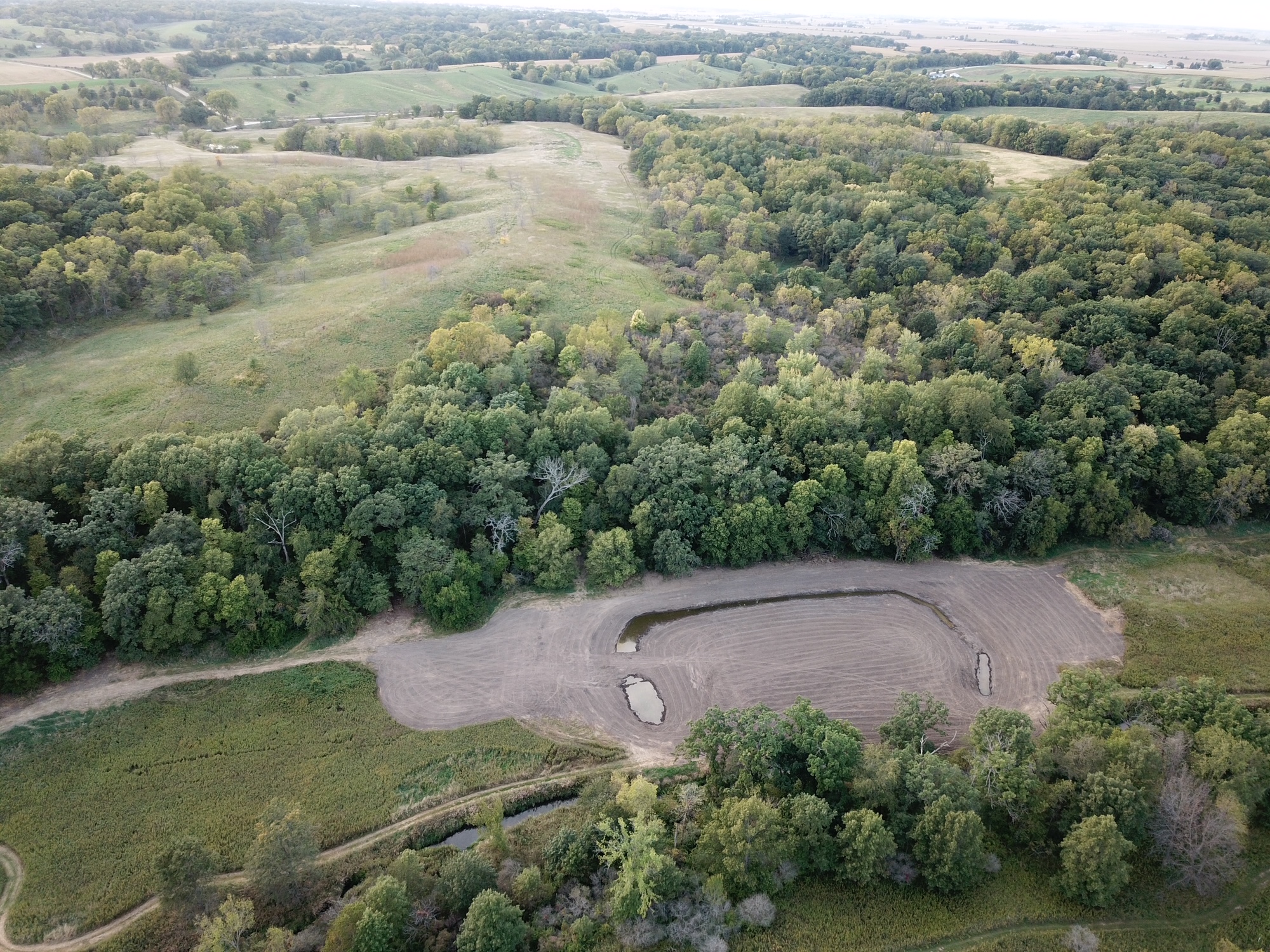
Restored oxbows provide many benefits to communities and people, too. The fertile black soil excavated from oxbows can be spread in adjacent farm fields to improve soil quality and potentially boost yields. Restored oxbows also fit nicely into pasture settings by providing a water source separate from the stream for livestock to drink and cool off. Oxbows also offer areas for people to connect with nature through photography, fishing and hunting.
The Nature Conservancy in Iowa works with partners to restore oxbow wetlands in priority watersheds. To restore these important wetlands, TNC works to identify locations where oxbows once existed and then partners with landowners to plan the restoration process. Our goal is to allow the wetland to hold water year-round for wildlife and restore native wetland plant communities.
Once the newly excavated oxbow reconnects to a nearby stream during a flooding event, small fish can move in, providing a safe space for spawning and hatching. Learn more below about the benefits of restored oxbows.


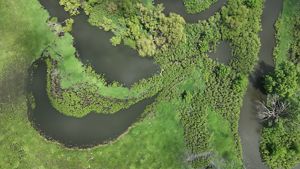
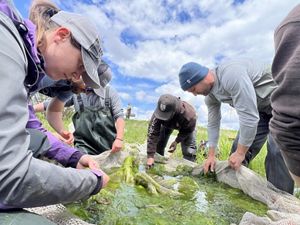


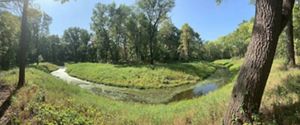
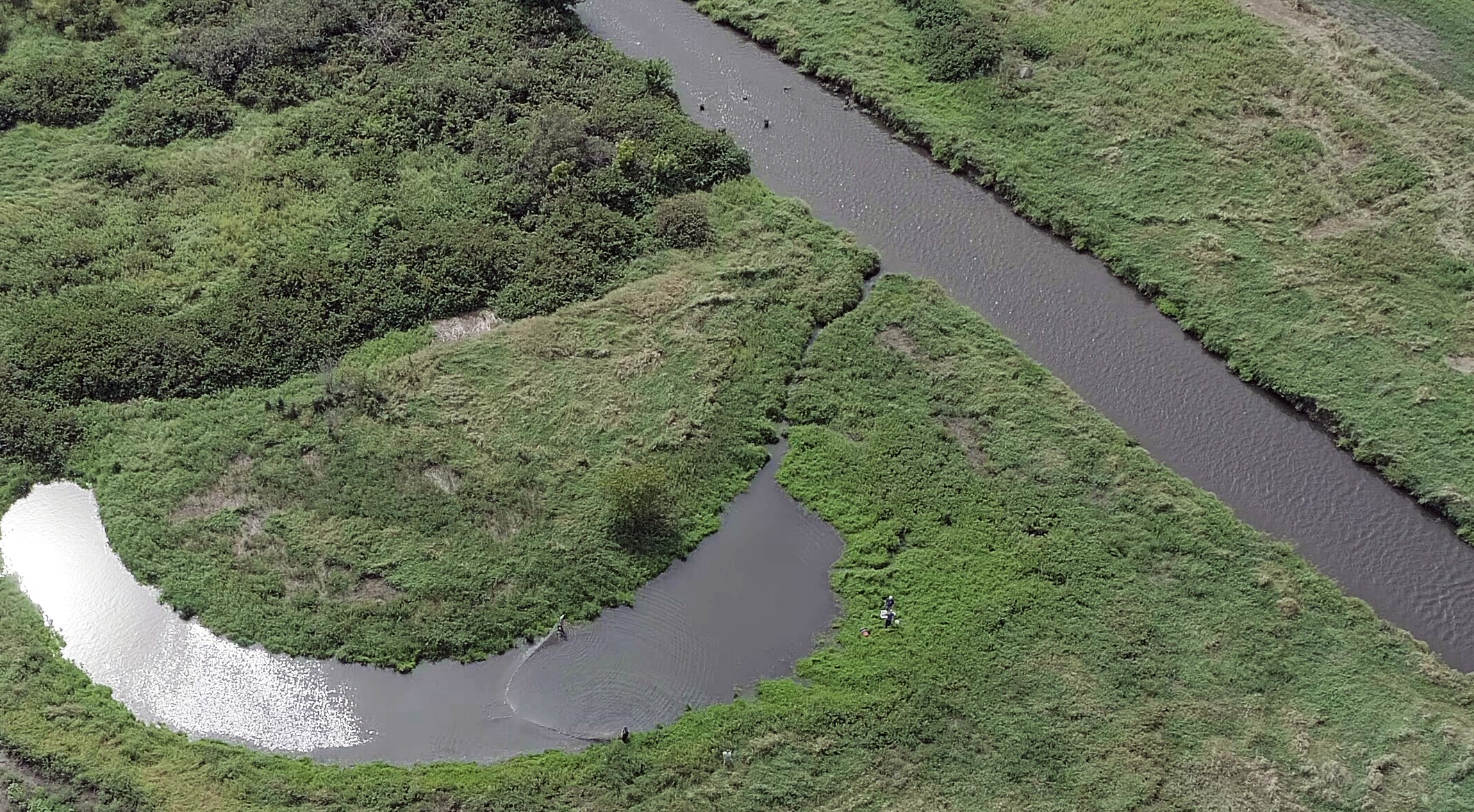
Oxbows: Oxbow ponds are seen from above next to Champepadan Creek near Luverne, Minnesota. © Joe Dickie
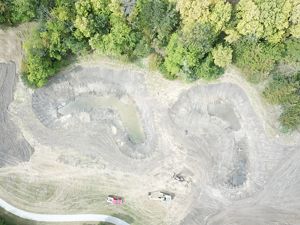
Oxbow Seeding: To help stabilze newly constructed oxbow banks, volunteers helped seed the new area around the oxbow with native grasses and flowers. © Casey Struecker
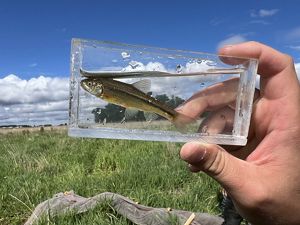
Topeka Shiner: The Topeka shiner is a small, freshwater minnow native to prairie streams of the central United States. © Casey Struecker/TNC
First of its kind: The Webster City restoration project is unique in the Boone River watershed, as the previous 50+ restorations are located on rural land. © City of Webster City
Oxbow Aerial: Restored oxbows along rivers serve as a vital area for floodwater storage, naturally filter water, and offer essential habitat for wildlife. © Brandon Wall
Oxbow Seine: Biologists and conservationists come together in the Boone River Watershed to survey restored oxbows for the endangered Topeka Shiner. © Casey Struecker/TNC
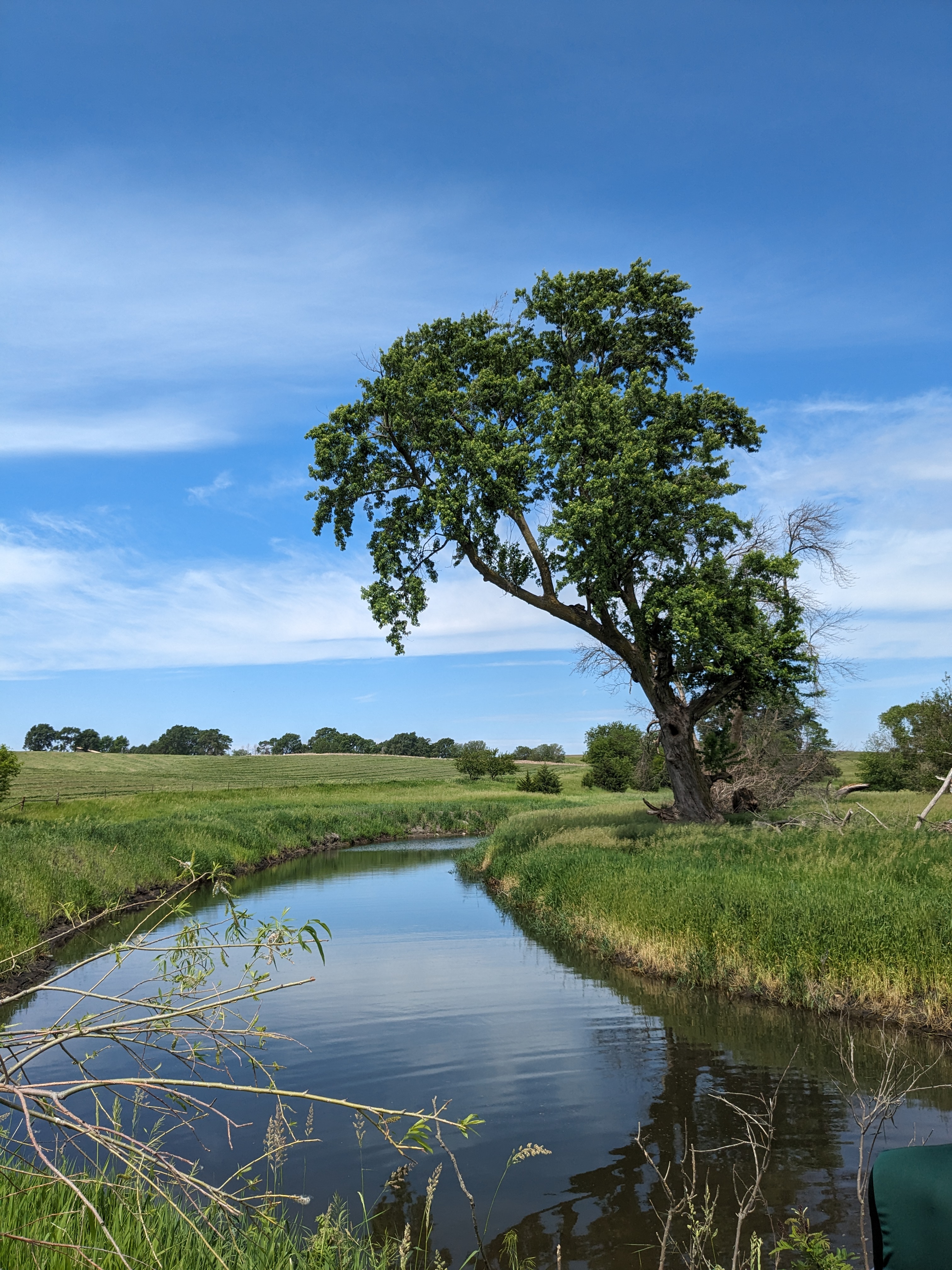
Boone River Oxbow: An oxbow wetland located along the Boone River in Iowa. © Lauren Nickell/TNC
Inside an oxbow: Topeka shiners swim among other wildlife beneath the surface of an oxbow in southwestern Minnesota. © Joe Dickie
Restored Boone River Oxbow: helps to filter nutrients from agricultural runoff and has improved habitat for a variety of wildlife. © Karen Wilke
Beneficial Bend: A restored oxbow in Clive, Iowa. © Karen Wilke/TNC
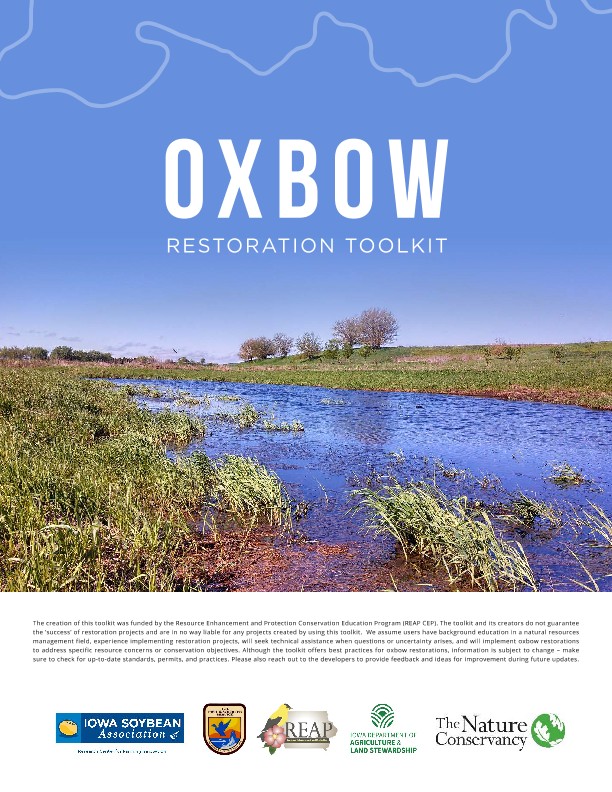
A guide to restoring oxbow wetlands. Learn how to restore a degraded oxbow wetland for water quality, wildlife and floodplain benefits.
Download

The Nature Conservancy is working with Iowa farmers to implement sustainable farming practices that benefit crops and the environment.

See how TNC is uniting farmers to enhance farm resiliency and water quality in Iowa.

Wetlands are nature’s solution to flooding and water quality challenges in Iowa. Find out how we’re conserving and protecting them.