

To us, the ocean is a source of sustenance, it's a source of livelihoods, it's really our lifeline to survive. So every Pacific Island culture has the concept of conservation; whether it's the Rāhui in Polynesia or the bul in Palau, we have methods of conservation that date back thousands of years.
Micronesia’s endless blue waters have been a pathway for Pacific Islanders for centuries, a source of connection to one another and to nature that provides food, livelihoods and the very foundation of daily life. Micronesia is home to hundreds of coral species, thousands of species of reef fish and as much as 30% of the world’s tuna.
But climate change, overfishing and increased global demand for tuna are pushing Micronesia’s marine ecosystems to the brink. Their collapse could have a severe impact on global food supply chains, disrupt the ocean’s ability to sequester massive amounts of carbon and even result in the displacement of hundreds of thousands of people.
However, Pacific Islanders have a powerful legacy of stewarding their natural resources, from ancient practices to recent commitments like the Micronesia Challenge. Each culture has their own rich traditions that guide how they manage fisheries and ensure that the ocean can rest and replenish its abundance. This ancient wisdom is reflected in one of the key conservation strategies employed around the world and championed in Micronesia: the creation, connection and effective management of Marine Protected Areas (MPAs).
What are MPAs?
MPAs sound simple: identify critical ocean areas and establish guidelines to ensure that nature thrives and marine resources are used sustainably. But to be successful, MPAs must meet the specific needs of both the ecosystems and those who rely on them. Click on the photos to see what MPAs can look like.
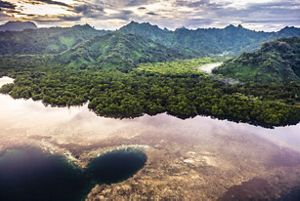


Kosrae Island, Micronesia: The long-term success of MPAs, like the Yela Valley on Kosrae, depend on meaningful participation and a shared vision for healthy communities and thriving nature. © Nick Hall
Palmyra Atoll: For years, TNC has worked with partners at Palmyra to study the importance and effectiveness of MPAs—and we’ve made some incredible discoveries. © Tim Calver / The Nature Conservancy
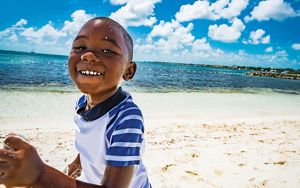
Caribbean: The Bahamas has long been a Caribbean leader in ocean conservation and currently has 10% of its waters declared as marine protected areas. © Shane Gross
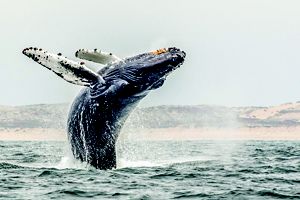
Monterey Bay: Monterey Bay is emerging as a model for a new kind of conservation—one that looks across borders and biomes to consider the natural system in its entirety. © Douglas Croft/TNC Photo Contest 2021
Great Bear Sea: In the Great Bear Sea we are modeling durable, long-term financing to support community-led economic development and diversification, long-term funding for MPAs. © Jon McCormack
In practice, the establishment and effective management of MPAs is a complex process that depends on bringing together local communities and governments, rigorous science, economic planning, sustainable financing and technical capacity. While some are designated as “no-take,” most have specific regulations tailored for their geographies and the communities they support. But when done successfully, it can lead to huge advancements in improving local livelihoods and achieving global conservation goals.
Today, as global challenges are mounting, Micronesia's commitments to marine protection are some of the most ambitious—and impactful—in the world.
Micronesia’s Marine Protection Goals
-
30%
Protection of marine resources by 2030
-
600
Million hectares of ocean protected or conserved
-
15%
Achievement of 30 x 30 ocean protection goals for the planet
Local Action Powers Long-Term Success
To effectively implement Micronesia’s ambitious vision, efforts to establish and manage MPAs need to incorporate both scientific learnings and the knowledge and experiences of local communities. TNC collaborates with more than 20 communities in the region to effectively manage and protect key marine resources. The long-term success of these MPAs depends on meaningful participation and a shared vision for supporting both healthy communities and thriving nature.
As each MPA is created and managed to meet the bespoke needs of the community and ecosystem, these protected areas look different across Micronesia. In many places where coral reefs are under stress, nearshore fishing is no longer sustainable and MPAs may be a useful part of a larger plan to adapt fishing practices in our changing climate. In other areas, MPAs are focused on ensuring sustainable populations of commercially vital fish such as tuna that travel the open ocean.
.jpg)
Case Study: From Parrotfish to Wahoo
The Northern Reefs of Palau are one of many areas where once-thriving coral reef ecosystems are now struggling. The fishing community noticed that key species such as coral trout, parrotfish and snappers were in decline, so they contacted TNC to see if we could help them reverse this trend before it was too late.
TNC staff supported a long-term data collection stock assessment to study the impacted fish populations. Based on those results, we then worked with the community to decide what guidelines could both help populations recover and support the economy. They decided on a multipronged approach that included the creation of seasonal closures in conjunction with support and trainings to increase near-shore pelagic fishing for species such as wahoo and tuna—and ensure fishers had an economic market to sell their catch. This program began a decade ago, and results to date show both a successful rebounding of reef fish populations and a viable offshore fishery.
Financing for the Future
Manta rays, sharks, turtles, whales and many of our oceans’ most iconic—and important—species travel vast distances throughout their lives. Protecting these ocean voyagers depends on both connecting MPAs and their ongoing effective management. This vision requires durable funding.
Typically, financing for conservation activities—including management and enforcement of protected areas—has come from relatively short-term, limited funding sources. That's why TNC and key stakeholders are focused on securing durable, large-scale financing to fund networks of MPAs and their effective management, which will benefit communities across Micronesia.
Micronesia is a global priority for The Nature Conservancy. It has some of the most important biodiversity in the world.
Through the Enduring Earth partnership, TNC is working alongside the Governments of Micronesia, Micronesia Conservation Trust, local partners and communities to develop a durable model for conservation funding and implementation that will stand the test of time.
This approach will unlock the durable financing, expertise and coordination needed to strengthen long-term protection and effective management of Micronesia’s MPAs, contributing to a legacy of healthy islands, thriving communities and a resilient future for generations to come.
TNC’s investment in protecting Micronesia’s marine resources is a key strategy to achieve global goals. By supporting local communities and their ambitious commitment to conservation, we have an outsized opportunity to advance global efforts to resist extinctions, create sustainable fisheries and conserve 30% of the world’s oceans by 2030.
Protecting the Ocean’s Voyagers
Many of our oceans’ most iconic—and important—species travel vast distances throughout their lives. To protect these ocean voyagers, large-scale conservation efforts depend on both connecting MPAs and effectively managing marine resources outside of protected areas.


Manta Ray: A giant manta swims in Pacific waters. © Jeff Yonover
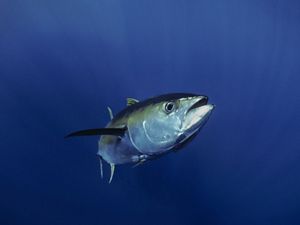
Giant yellowfin tuna.: Giant yellowfin tuna in the Pacific Ocean. © Jeff Rotman/NPL/Minden Pictures
Humpback Whales: A mom and calf swim through the deep crystalline waters of the Pacific. © Pier Nirandara/TNC Photo Contest 2023
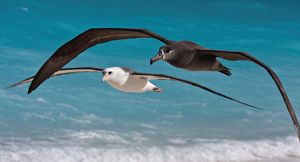
Albatross: Today's habitats may no longer be viable in the future, requiring new thinking and brave solutions to protect species. © Eric Vanderwerf
Scalloped Hammerhead Shark: Among the hammerhead sharks, scalloped hammerheads (Sphyrna lewini) have undergone the steepest population declines worldwide. © Shutterstock
We Can’t Save Nature Without You
Sign up to receive regular updates from The Nature Conservancy.

Read More

Oneisomw: How a Community United to Protect Their Small Island Home
Oneisomw is one of nine islands within the Faichuuk region of the Chuuk State—one of the four states that make up the Federated States of Micronesia.

Community Co-op In Palau’s Northern Reefs Save Fish
Fishermen in the northernmost waters of the Republic of Palau began noticing that fish were getting smaller, and each trip was landing fewer fish.

Our Priorities
TNC works with communities and government to develop solutions for island resilience that help chart a course to a more sustainable, resilient and biodiverse future.