
Our History

Grounded in science and collaborative from the beginning.
The Nature Conservancy began when leading scientists, committed citizens and dedicated leaders came together with a shared vision to protect and care for nature. Today, as we take on the most complex environmental challenges of our lives, our diverse staff, partners and members impact conservation across more than 80 countries and territories.
The Nature Conservancy through the years.
1915-1949
More than a century ago, leaders gathered, debated and laid the groundwork for what would become The Nature Conservancy.

The research-focused Ecological Society of America is formed. From the beginning, members debated over the mission. Should the organization exist only to support ecologists and publish research or should it also pursue an agenda to preserve natural areas?

Several members of ESA form the Committee on Preservation of Natural Areas for Ecological Study, led by Victor Shelford, a scientist who helped establish ecology as a distinct field of study.

After the dissolution of the preservation committee, Shelford and a small group of scientists form the Ecologists Union. They resolve to take “direct action” to save threatened natural areas.
1950-1959
The Nature Conservancy officially forms and is launched into land protection on Christmas Eve 1954 when neighbors of a 60-acre forest in New York were given an ultimatum: bid on the wooded ravine or see it developed.

The Nature Conservancy is incorporated as a nonprofit organization in the District of Columbia.
Read more
TNC grants its first official chapter charter in Eastern New York, launching a network of chapters and field offices that eventually grows to cover the entire United States.
Read more
TNC completes its first land acquisition, the Mianus River Gorge in Bedford, N.Y. To protect this 60-acre hemlock forest, community members pledge life insurance policies and TNC finances $7,500 of the purchase.
Read more
TNC makes its first land purchase west of the Mississippi. Three years later, TNC forms its first partnership with a public agency when it joins with the Bureau of Land Management.
Read more1960-1969
From large acquisitions to pioneering the use of conservation easements, The Nature Conservancy asserts its leadership by developing new ways to protect important lands.


TNC receives its first donated conservation easement: 6 acres of Mystic River salt marsh in Connecticut. The landowner retains ownership while TNC is responsible for ensuring the ecological values of the land endure.

TNC conducts its first controlled burn, at Helen Allison Savanna in Minnesota. Controlled burns can restore health and diversity to natural lands and have been used by Indigenous peoples for millennia.
Read more
TNC’s last unpaid president, renowned botanist, Dr. Richard H. Goodwin, finishes his 2nd term in the position. A gift from the Ford Foundation lets TNC hire its first full-time, paid president, Charles “Henry” Foster.
1970-1979
Growing in size and scope and driven by science, we continue our work to preserve biological and ecological diversity by protecting special places in the United States.

TNC’s first Science Advisor, Robert E. Jenkins, leads a biological inventory of the United States, resulting in greater scientific rigor in land acquisition and a new focus on biodiversity conservation.
Read more
TNC makes its largest land purchase to date, bringing 35,000 acres of the Pascagoula River watershed in Mississippi under public protection.
Read more
TNC helps preserve more than a million acres of land since its founding in 1951.

TNC purchases most of Santa Cruz Island. TNC and partners—the National Park Service, U.S. Fish and Wildlife Service and CA Department of Fish and Wildlife—launch a program to restore the island’s natural communities.
Read more
Katherine Ordway is appointed TNC’s first “Land Guardian.” Known as the “lady who saved the prairies,” her generous donations in the 1970s let TNC create the most extensive grassland sanctuary system in the country.
Read more1980-1989
TNC expands internationally in partnership with governments and companies, increasing preservation efforts and contributing to conservation at the country scale.


TNC launches its International Conservation Program to identify natural areas and conservation organizations in Latin America in need of technical and financial assistance.
Read more
TNC completes its first “debt-for-nature” swap by purchasing $240,000 in Costa Rican debt to support conservation at Braulio Carillo National Park.
Read more
With funding from the U.S. Congress, the Parks in Peril program launches to protect 50 million acres in Central and South America and the Caribbean by helping local organizations provide effective park stewardship.
1990-1999
During these pivotal years, The Nature Conservancy embraces conservation work at broader scales. We develop regional planning tools that become the foundation of our work, and we take our expertise to new geographies.


TNC opens its first office outside the Western Hemisphere in Koror, Republic of Palau.
Read more
TNC develops Conservation by Design, an eco-regional approach for setting priorities and taking action to identify the sites that must be protected to conserve biological diversity in the Western Hemisphere.
Read more
TNC’s membership surpasses 1 million people.
2000-2009
As pressures on our planet mount, TNC brings new ideas to challenges like water security and plays a leadership role in several large-scale, transformative conservation land transactions.
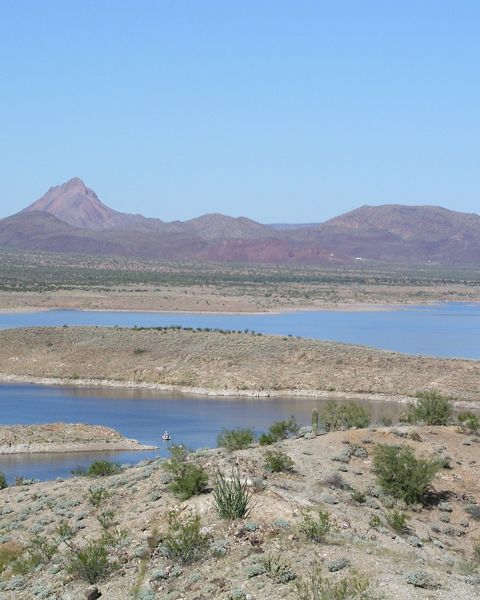

TNC and the Association for Biodiversity Information publish Precious Heritage: The Status of Biodiversity in the United States, which warns that 1/3 of the plant and animal species found in the U.S. are in peril.

TNC’s first Water Fund is established in Quito, Ecuador. Water users pay into the fund in exchange for the product they receive—fresh, clean water. The funds, in turn, pay for forest conservation.
Read more
TNC turns 50. Twelve renowned photographers, including Annie Leibovitz and William Wegman, capture the rich and complex splendor of some of the Last Great Places in a photography exhibit and book, “In Response to Place.”

Following a decade of work in Colorado, TNC completes the last of a complex set of real estate transactions that clear the way for the designation of United States’ newest national park, the Great Sand Dunes.
Read more
TNC announces its first commitment to work in Africa by supporting nomadic herders in conserving the plains where their livestock shared space with some of the planet’s most iconic wildlife.
Read more
The Nature Conservancy launches operations in Europe, marking the start of a continent-wide environmental mission focused on protecting nature and tackling climate change.
Read more2010-2019
With decades of conservation success to draw from, TNC takes bold steps to amplify and accelerate our work to address the dual crises of climate change and biodiversity loss.
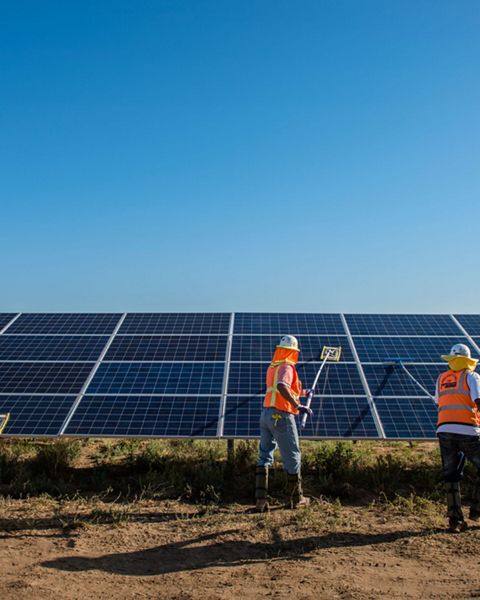

TNC’s China Blueprint influences China’s national conservation plan. The plan calls for a halt to the loss of biodiversity in the country by 2020 and establishes priority conservation areas.
Read more
TNC and Seychelles finalize the world’s first Nature Bonds project, protecting nearly 160,000 square miles and helping pay off the country’s debt. The country’s first marine protected areas were created in 2018.
Read more
TNC launches conservation work in Europe in the Western Balkans to protect some of Europe’s last wild freshwater ecosystems. TNC’s smart siting approach offers local decision-makers renewable alternatives to hydropower.
Read more
TNC develops a 50-state Climate Change Strategy to test and adapt local climate actions across the United States.
Read more
TNC’s Canadian affiliate, Nature United, works with First Nations to help conserve 19 million acres of coast north of Vancouver Island. Nine million acres are off limits to logging, with the balance strictly managed.
Read more
TNC scientists publish a groundbreaking study on natural climate solutions, actions to protect, better manage and restore nature to reduce greenhouse gas emissions and store carbon.
Read more2020-Present
As our planet faces the dual crises of rapid climate change and biodiversity loss, TNC implements its biggest, most ambitious plan to achieve lasting results, guided by science.
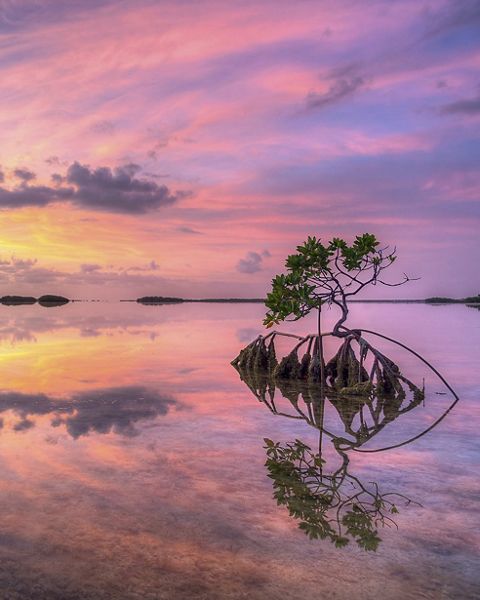

TNC receives a transformative $100 million grant from the Bezos Earth Fund to support its work on natural climate solutions around the world.
Read more
TNC announces its 2030 Goals, its most ambitious plans in its history—to halt climate change and biodiversity loss. Rooted in science, the approach outlines TNC’s role with partners, communities and decision-makers.
Read more
TNC and the National Geographic Society launch a joint externship that opens doors for hundreds of young global leaders through transformative, real-world experiences advancing conservation.
Read more
TNC and partners protect 236,000 acres of rainforest known as the Belize Maya Forest. With the Rio Bravo Conservation and Management Area, which TNC helped establish in 1989, this forest will anchor 11 million acres.
Read more
With the Pew Charitable Trusts, World Wildlife Fund and ZOMALAB, TNC establishes Enduring Earth, an effort to protect important habitats at the scale and pace needed to tackle climate change and biodiversity loss.
Read more
A $21M donation to TNC supports the Australian government’s purchase of an outback cattle station. The land will connect other protected lands to create a 1.4-million-hectare (3.45-million-acre) conservation corridor.
Read more
The Blue Benguela Partnership, led by TNC with the Blue Nature Alliance, launches. Bringing together Angola, Namibia and South Africa, the partnership aims to protect one of the world’s most important marine ecosystems.
Read more
TNC launches United for Rivers, a campaign to protect 13 rivers across five Western Balkans countries in partnership with local NGOs.
Read more
TNC surpasses 1 million acres of land and water protected across Minnesota, North Dakota and South Dakota. This reflects nearly 70 years of collaboration with local partners, including Native Nations.
Read more
TNC reaches an agreement to purchase four dams on the Kennebec River in Maine—the latest step in decades of work to restore the river’s health and strengthen the region’s economy.
Read more
TNC supports a locally led coalition to protect more than 133,000 hectares (328,650 acres) of wilderness and rainforest in Chilean Patagonia. The property fills a critical gap in Chile’s and Argentina’s protected lands.
Read more
In a landmark moment for the planet, 60 countries officially ratify the TNC-championed High Seas Treaty, the first legal agreement to regulate and protect the high seas—an area of ocean covering nearly half the planet.
Read more
TNC celebrates its 75th anniversary—for the generations that helped make the organization what it is today and who will help create a future with a livable climate, thriving nature and healthy communities.
Watch: A future where people and nature thrive.
The future of TNC is in your hands.
The challenges facing our natural world have never been greater, and the need for bold solutions has never been more urgent. Your support will allow us to put the best conservation science into action right now.
Take action today.
We have years, not decades, to solve the climate and biodiversity crises. We can get there, but only if we work together. Discover how you can get involved and do your part to support a world where people and nature thrive together.


