
We're working with you to make a positive impact around the world in more than 35 countries, all 50 United States and your backyard. Support our work
The Nature Conservancy is taking on the tough issues facing conservation today — from climate change to coral reefs, to energy development in a growing world. We are applying high level strategies to our conservation work around the world in the following areas:
The Conservancy works with government officials and partners around the world. In the United States, we work to support public policies that protect our lands and waters so the next generations of Americans can build secure and rewarding lives.
Working for solutions that will reduce emissions to levels compatible with a healthy planet, preserve forests and help nature adapt to global warming.
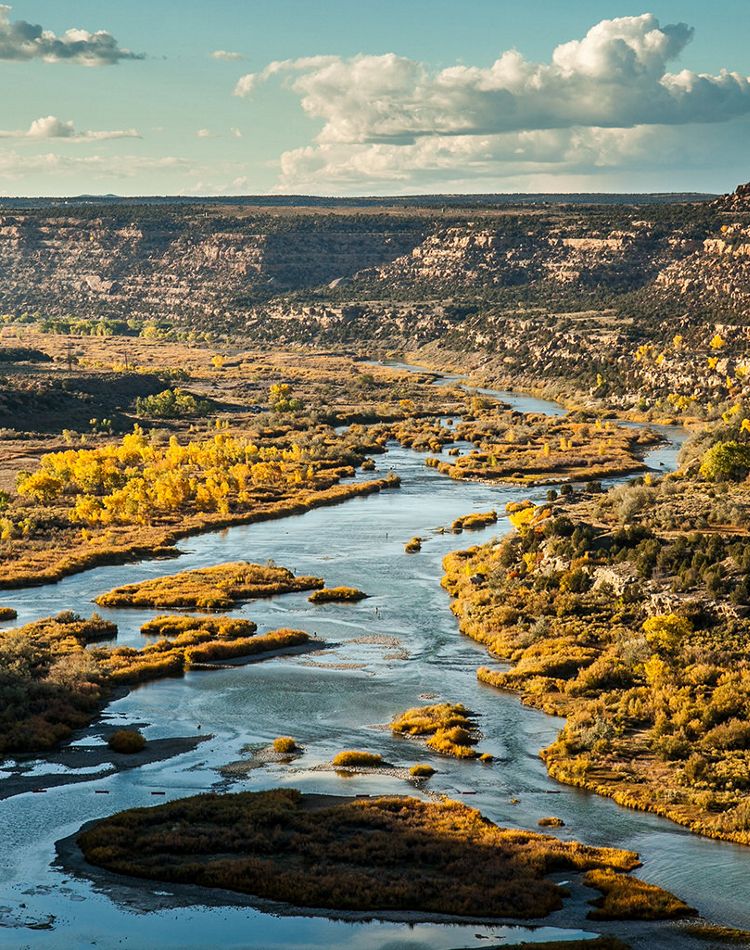
Freshwater ecosystems provide us with drinking water, food, energy, transportation — even joy. But experts warn that in the next 20 years, half of the world’s population could face water shortages. There are practical solutions to freshwater conservation but we must take bold action now.
The Nature Conservancy is working around the world in places like Costa Rica's Osa Peninsula to protect rainforests, engaging local and indigenous communities in creative solutions that balance the needs of people with nature.
Scientists estimate that unless we take immediate action, we could lose up to 70 percent of coral reefs by 2050.The Nature Conservancy is dedicated to protecting these vital ecosystems and all the corals, fish and people that depend on them.
Birds are a priceless part of our heritage. They are beautiful, they reflect the health of our environment, and they are economically important. Preserving and protecting bird habitat has always been a core part of the Conservancy's mission.
Building on our tradition of protecting lands and waters, we are working to balance growing development needs with those of nature; build relationships with communities, companies and governments; and increase funding for large-scale conservation projects.
Protecting nature isn’t about putting up fences around pristine places to keep people out. We’re about protecting the places and resources we depend on for the benefit of all species — plants, animals and people.
The Nature Conservancy’s approach to development enables companies, governments and communities to make better decisions about where development could occur—and where it shouldn’t. Through science and planning methods, like Development by Design, we can provide a holistic view of what development does to natural systems and the people and precious wildlife that depend upon them.
The Conservancy is a world leader in cutting-edge conservation science with 550 staff scientists around the globe.
For more than a decade, The Nature Conservancy’s work has been guided by a framework we call Conservation by Design — a systematic approach that determines where to work, what to conserve, what strategies we should use and how effective we have been.
A "Commitment to People, Communities and Cultures" is a central part of The Nature Conservancy’s core values. We are committed to local, on the ground involvement; we treat our partners with fairness and honesty; and we work collaboratively to develop practical conservation solutions.
The Nature Conservancy has a strong and abiding commitment to diversity in its workforce and in the people and groups with which it works. We recognize the Conservancy's mission is best advanced by the leadership and contributions of men and women of diverse backgrounds, beliefs and cultures.
For decades, The Nature Conservancy has recognized that the private sector has an important role to play in advancing our conservation mission. We are applying our science, reach, expertise in conservation planning, and on-the-ground experience to help businesses make better decisions, understand the value of nature, and protect it.
The Conservancy has financed hundreds of millions of dollars in conservation, protection and restoration throughout the years, and has been at the cutting edge of science, land conservation and innovative financing solutions. We are always testing new ways to further our reach—like the Conservation Note which allows individual and institutional investors to put their money where their values are by investing in Conservancy projects around the globe.
Whether scary or exciting, nature has a way of sneaking up on you. See stories
Hear some of nature's success stories and see how nature matters to us all. Watch videos
The Ramshorn Ranch, Dubois, Wyoming. In Wyoming, an innovative partnership between ranchers Bob and Kate Lucas with The Nature Conservancy and the Jackson Hole Land Trust maintains two important working ranches while protecting important habitat for Wolverine, Lynx and the largest naturally-wintering Elk herd in the lower 48 states. Photo Credit: ?Laurie Andrews, Jackson Hole Land Trust. ©Laurie Andrews, Jackson Hole L