

We're working with you to make a positive impact around the world in more than 35 countries, all 50 United States and your backyard. Support our work
Every year, millions of migrating birds make incredible pilgrimages. They fly thousands of miles is search of light, sun, food and places to breed.
This quest often requires them to cover unfathomable distances and overcome seemingly insurmountable odds.
But migrating birds are tough. They are survivors. The story of B95 is proof.
Born in the crisp spring air of the Canadian Arctic, B95 was one of many red knots—a small shorebird—that had to start migrating south just a few weeks after hatching.
He used an internal compass to follow a path that his species has traveled for generations. This was the beginning of a remarkable journey that would make him one of the most famous birds in the world.
In 1995, an Argentine biologist researching red knots in Tierra del Fuego captured and banded a flock of birds. One of the younger ones was labeled B95. Eighteen years later, he is still being spotted along his storied migration route.
Extraordinarily, this means that this little 4-ounce shorebird has flown at least 320,000 miles in his life. That’s equal to a flight to the Moon and halfway back. It’s no wonder that bird enthusiasts everywhere are calling B95, Moonbird.
Most red knots live four or five years. Peregrine falcons, hurricanes and the sheer distance they must travel every year requires them to be survivors from the day they are born.
It’s a tough life. And it’s getting tougher.
Since B95 was born, the world’s population of red knots has nosedived. Over the past two decades, B95 makes the journey each year with fewer of his brethren.
The red knots are struggling to find places to land and enough to eat in a world becoming more populated by humans.
Against all odds, Moonbird lives on.
Delaware Bay marks an important stopover on Moonbird’s annual trek. By the time he arrives, he’s starving. B95 make his way here in mid-May for one reason—horseshoe crab eggs.
If B95 has timed it correctly, horseshoe crabs will have laced the sand with green eggs that will be devoured by red knots. This protein will be essential as they get ready to fly to the arctic and breed.
While horseshoe crabs survived an asteroid collision on Earth 65 million years ago, these prehistoric creatures are now threatened because of overfishing and loss of breeding beaches.
This means fewer horseshoe crabs and hungry red knots.
Will Moonbird make it to Delaware Bay again this year?
National Book Award-winning author and longtime Conservancy staffer, Phil Hoose, is one of many people paying close attention.
Phil has been intently following this “super bird” and he has chronicled his life in a new book, Moonbird: A Year on the Wind with the Great Survivor B95—due out in July.
Global conservation efforts are needed to protect millions of migratory birds.
The key is protecting essential stopping points along their migration route, including Delaware Bay, where red knots depend on horseshoe crab eggs. The Conservation Fund has purchased a mile stretch of the shore where horseshoe crabs and red knots can thrive.
Also in Delaware Bay, Friends of the Red Knot, a teen support group, is focused on education, trying to help students recognize shorebirds, care about them and help to protect their habitats.
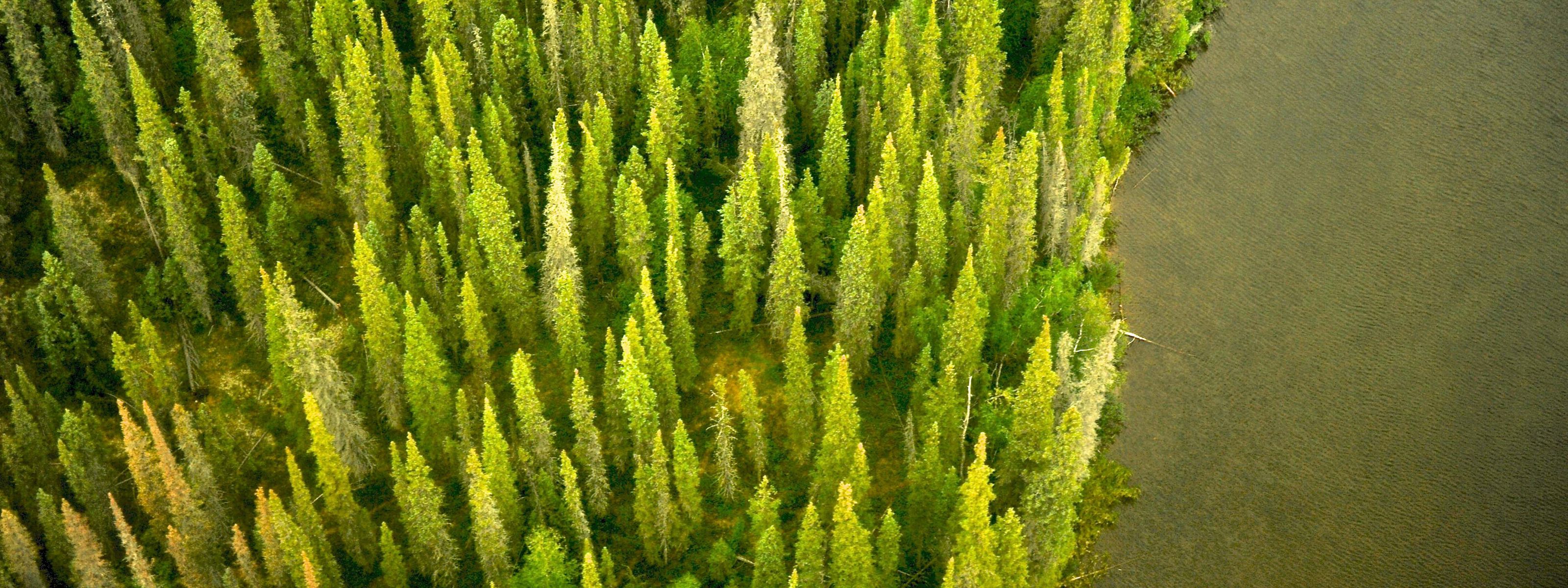
In Canada, The Nature Conservancy is focused on a vital breeding ground for millions of migrating birds. Their very remote breeding grounds were once inaccessible to resource extraction. Modern technology is making it easier. Places where birds mate every year are in jeopardy.
February 22, 2013Bird Canada: From the Arctic To The Moon
The story of B95 has inspired a book by American writer Phillip Hoose. The bird has become a symbol of survival against all odds and of the plight of rufus red knots, whose populations have declined dramatically in recent years mainly due to overfishing in Delaware Bay, in the U.S., where the birds stop to refuel on their way back to the Arctic. Read more
Whether scary or exciting, nature has a way of sneaking up on you. See stories
Hear some of nature's success stories and see how nature matters to us all. Watch videos