

Latin America

- Email: larsocialmedia@tnc.org
-
Follow


The world’s most biodiverse region is at a turning point.
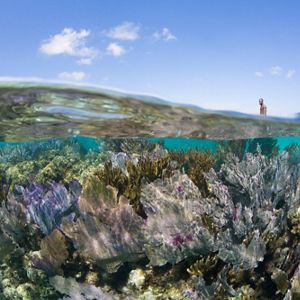
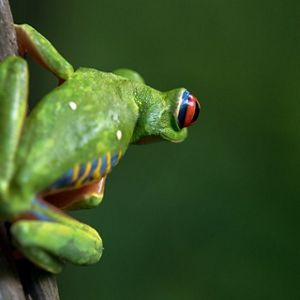
With 40% of the world’s species, more than a quarter of the Earth’s forests and the second largest reef on the planet, Latin America is a beacon of hope for a planet facing a changing climate and growing demands for food, water and energy.
Latest News

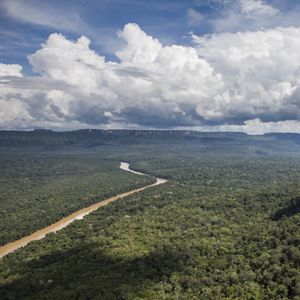
In the Ecuadorian Amazon, An Indigenous-Led Example of Durable Freshwater Protection
Durable freshwater protection requires a fluid approach. In the Amazon River Basin, it takes creative policies and a commitment to Indigenous Peoples’ self-determination.

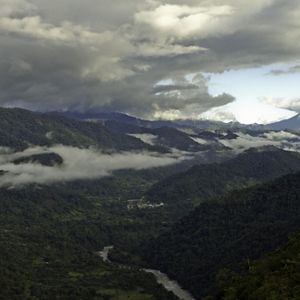
Lessons from the Páramos: How Watershed Conservation Is Restoring Biodiversity
Water conservation efforts in the páramos of Latin America demonstrate the inextricable link between healthy freshwater systems, vibrant communities and thriving biodiversity.

Ecuador Announces Its First Debt Conversion to Support Terrestrial and Freshwater Conservation in the Amazon, Supported by TNC’s Nature Bonds Program
Debt conversion for Ecuador expected to unlock approximately $460 million in funding for the Amazon Biocorridor Program over the next 17 years to support conservation and people.

Organizations launch a campaign to protect massive private property in Chilean Patagonia
Puelo Patagonia, The Nature Conservancy, Freyja Foundation, Patagonia Inc., and Wyss Foundation launch the Conserva Puchegüín initiative to acquire Hacienda Puchegüín.
TNC en Español
Visit our site in Spanish! ¡Visita nuestro sitio en español!

Your Chance to Give Back
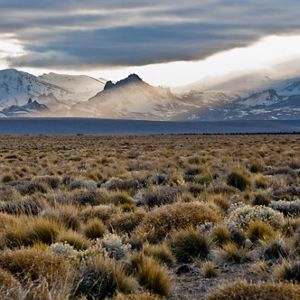
From Mexico’s Baja California in the north to Argentina’s Patagonia in the southern tip, The Nature Conservancy has worked in Latin America for more than 40 years to protect its lands, waters and oceans.