

- Phone: +1 262-642-7276
- Email: wisconsin@tnc.org
-
Follow


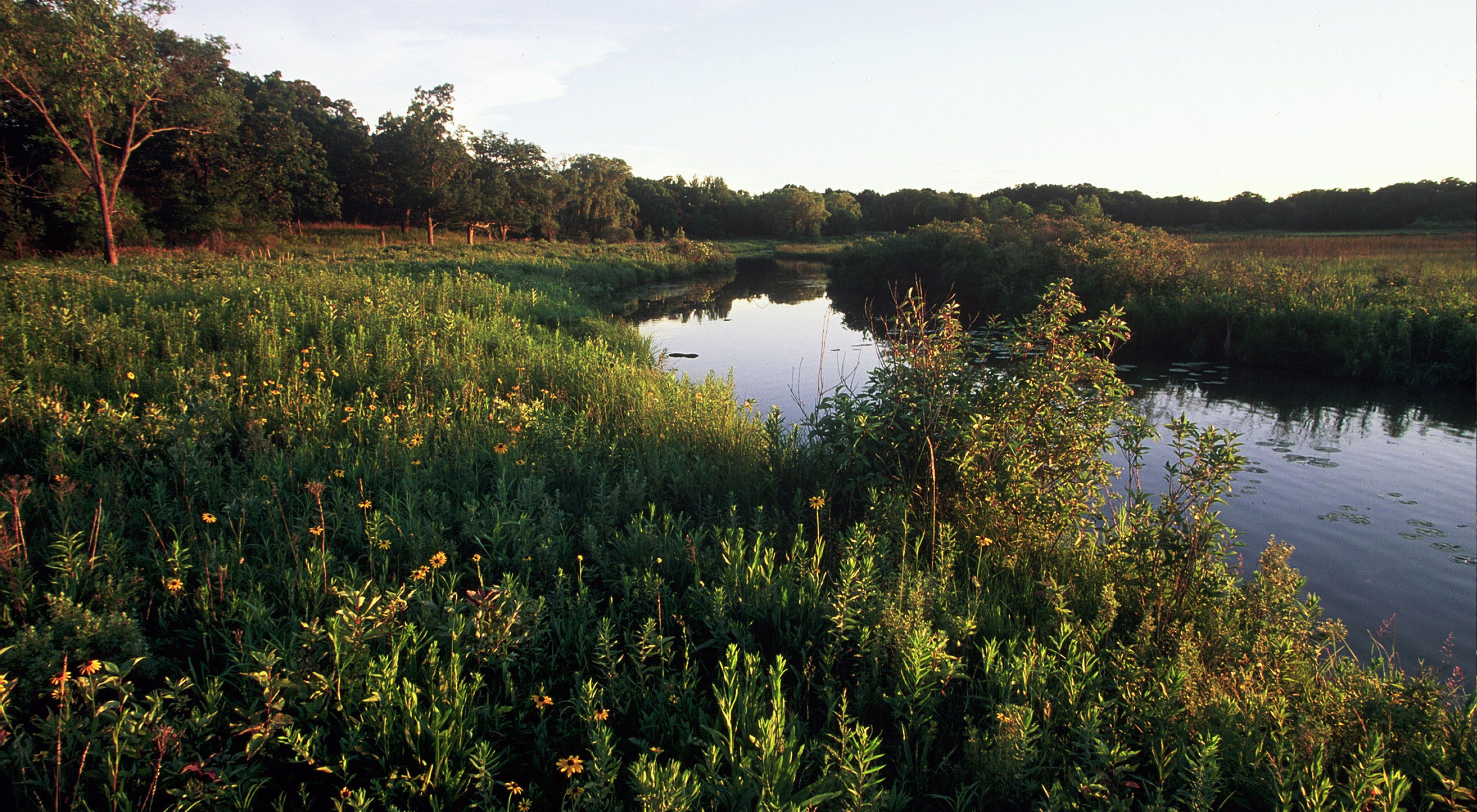
This river is one of the cleanest streams in southeastern Wisconsin.

MUKWONAGO RIVER WATERSHED
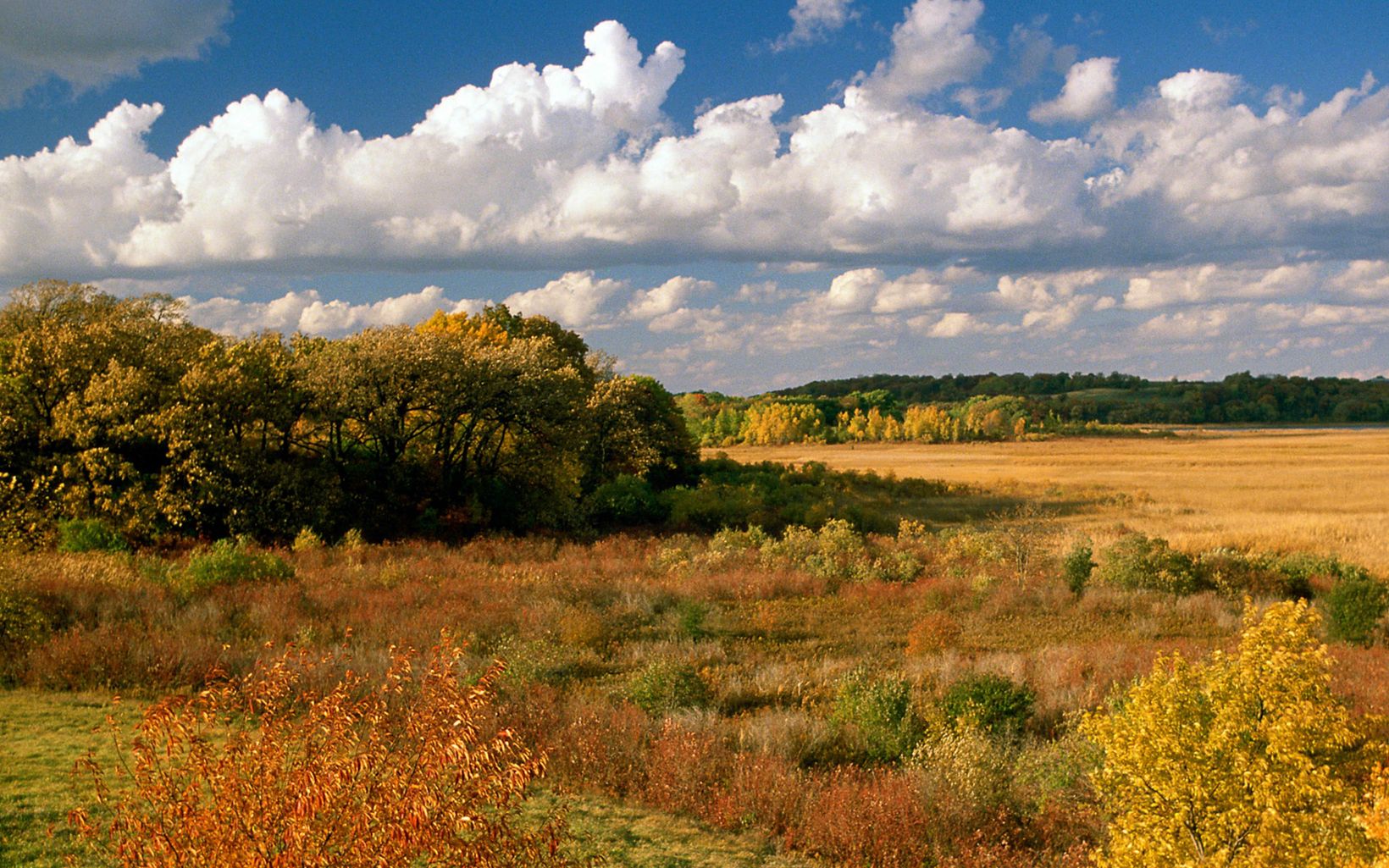
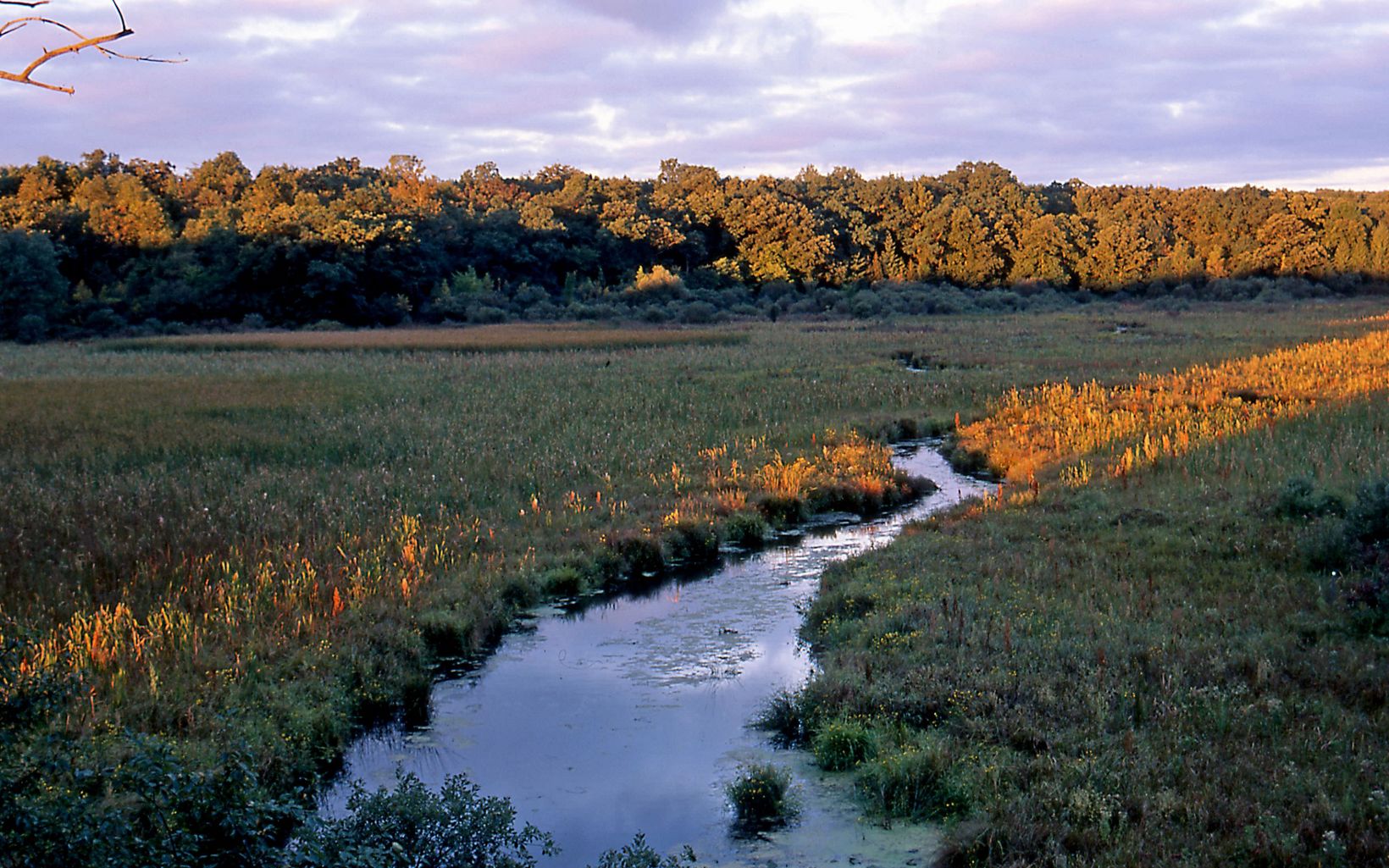
A mosaic of forest, wetlands, savannas, rivers and lakes, the Mukwonago River Watershed is a natural treasure in the southern Kettle Moraine about 35 minutes from Milwaukee.
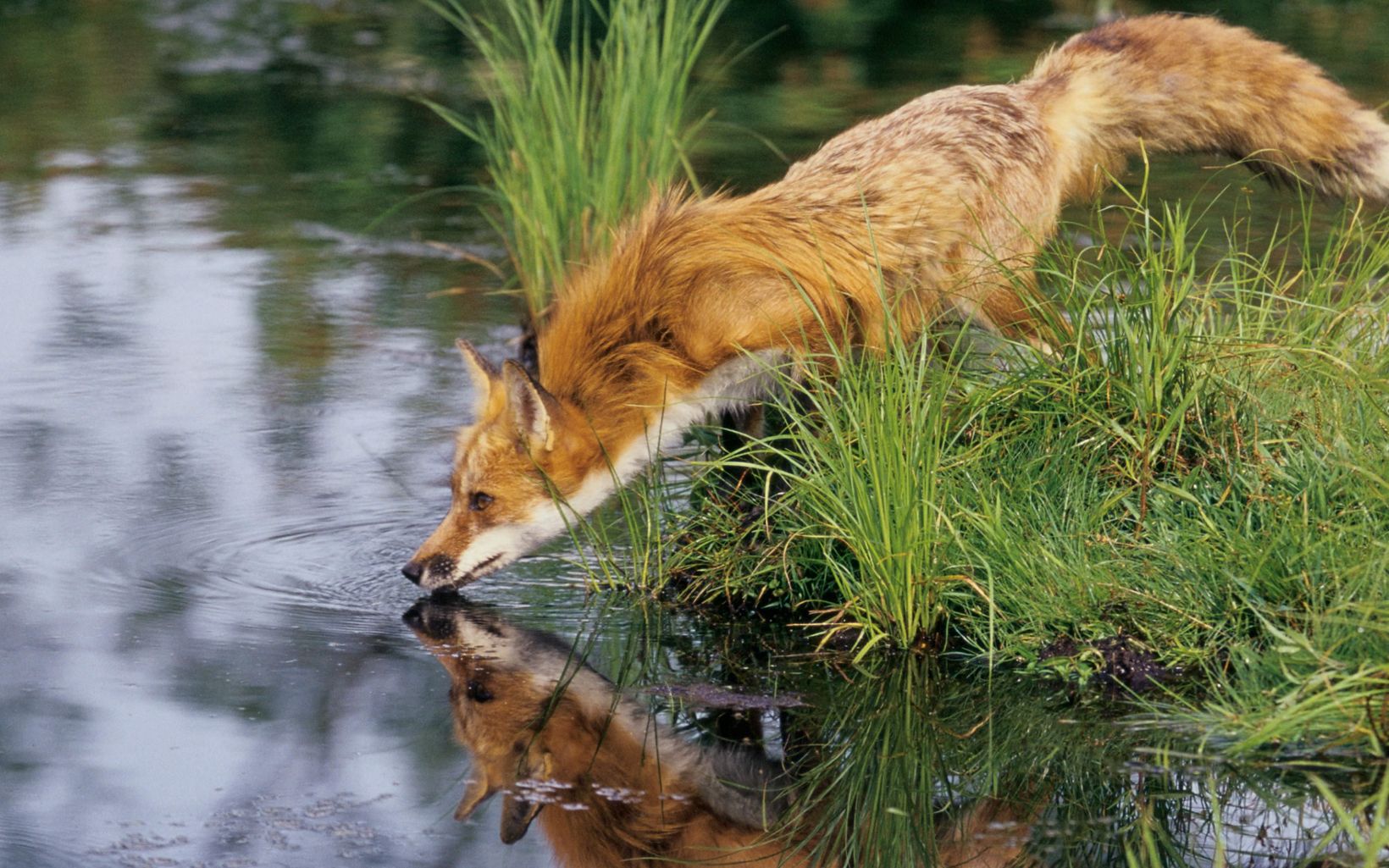
The Mukwonago River is one of the cleanest streams in southeastern Wisconsin and provides important habitat for rare fish and mussels. The surrounding landscape is home to a wide array of native plants and wildlife, including sandhill cranes, tree frogs, mink, red fox, butterflies and dragonflies.
ACCESSIBLE TRAIL: We’ve created a trail that is accessible to people who use power-driven mobility devices to help them get around. Get Directions
THE NATURE CONSERVANCY
For centuries, early settlers and their descendents have cared for the lands in the Mukwonago River Watershed, making it one of the highest quality waterways in the state. In 1983, The Nature Conservancy (TNC) joined that partnership, first protecting and later purchasing the former Milwaukee Boys Club Camp.
Today, TNC owns 2,231 acres within the watershed and has helped to protect an additional 798 acres through its work with individual landowners and partner organizations. A group of dedicated volunteers has been vital in helping staff maintain an active science and land management program.
CONSERVATION GOALS
- Protecting the water quality of and natural areas within the Mukwonago River Watershed.
- Managing our preserves to maintain rare natural communities and provide habitat for fish, mussels, amphibians and reptiles.
- Working with individuals and organizations to promote long-term conservation within the watershed.
- Working to protect the watershed while balancing human needs and economic health in the region.
ACCOMPLISHING OUR GOALS
- Development of conservation partnerships that leverage conservation activities throughout the watershed.
- Land acquisition from willing sellers and generous donors.
- Conservation easements (voluntary legal agreements that protect the conservation value of a piece of land by permanently limiting its present and future uses while keeping it in private ownership).
- Land management, such as burn workshops.
We work with partners as part of the Mukwonago River Initiative—a group of about 20 organizations, individuals and state and local agency representatives—to identify threats to the watershed and coordinate our efforts to address those threats. The shared knowledge of the partners is one of the strengths the group leverages to be successful. We’ve compiled this shared knowledge into a database. Get useful documents, datasets, photos, stories and other information about the Mukwonago River Watershed.
TNC NATURAL AREAS IN THE MUKWONAGO RIVER WATERSHED
TNC owns four preserves in the Mukwonago Watershed, including:
- Crooked Creek (591 acres)
- Lulu Lake (632 acres)
- Newell and Ann Meyer Nature Preserve (652 acres)
- Pickerel Lake Fen (354 acres)
TNC has helped protect a total of 3,029 acres in the Mukwonago Watershed. This figure includes lands owned and managed by TNC, conservation easements, government co-ops and assists.
GET INVOLVED
If you are interested in volunteering to help with land management, please contact our office in East Troy at Mukwonagoinfo@tnc.org or 262-642-7276 to be added to our email list for notification of land stewardship work parties.
NATURE CONSERVANCY STAFF
Ricardo Costa Silva, Agricultural Strategy Manager
Ashley Flor, Conservation Program Assistant
Sarah Gatzke, Director of Water Conservation
Brian Miner, Mukwonago Land Steward
Our East Troy office is currently closed, and staff are working from home. If you have any questions about The Nature Conservancy's Mukwonago River Watershed project, please email us at Mukwonagoinfo@tnc.org or call us at 262-642-7276.
With support from Melita Frankfurth Grunow, we created a trail at our Pickerel Lake Fen Preserve that is accessible to people in wheelchairs or who use other power-driven mobility devices to help them get around. The trail takes visitors through the woods to a beautiful view of the lake and surrounding wetlands.

From Milwaukee to Pickerel Lake office at N8740 Pickeral Lake Road:
- Take I-43 southwest to Exit 43, the Mukwonago exit (State Highway 83).
- Turn right at the top of the exit ramp and immediately get over into your left lane.
- Turn left at the first light, which is Bayview Road (Citgo Station on your left).
- Follow Bayview around to the next traffic light, which is Highway ES.
- Turn left on ES.
- Follow ES for a mile or so to Highway J. (You’ll see a pale yellow barn on the right with a huge smiley face painted on it.)
- Turn right on J and follow that for about 5½ miles to Pickeral Lake Road.
- Turn left on Pickeral Lake Road and follow that for about a mile to N8740 Pickeral Lake Road.
- For ADA access, park in the space marked with a blue handicapped-accessible sign. An ADA-accessible trail is available in front of the parking space.
- For other business, follow the driveway uphill to the office, a one-story, red-brick building.
From Madison to Pickerel Lake office at N8740 Pickeral Lake Road:
- Take I-90/I-39 south to Exit 163
- Turn left on State Highway 59
- Turn left on Highway N
- Turn right on US 12
- At State Highway 67 continue straight on Highway 20
- At the intersection with Highway J, go straight ahead on J
- Turn right on Pickeral Lake Road
- Follow Pickeral Lake Road for about a mile to a drive on the left marked N8740.
- For ADA access, park in the space marked with a blue handicapped-accessible sign. An ADA-accessible trail is available in front of the parking space.
- For other business, follow the driveway uphill to the office, a one-story, red-brick building.
WHAT TO SEE AT MUKWONAGO RIVER WATERSHED
Join Us
Join our Great Places News email list to receive regular updates about our work in Wisconsin and learn more about how you can get involved.
Related Preserves
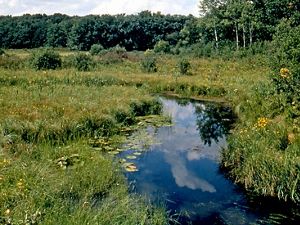
Lulu Lake
Lulu Lake glitters amidst the rich marshes of the upper Mukwonago River watershed.
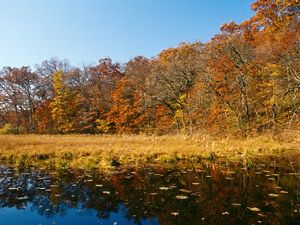
Crooked Creek Preserve
Crooked Creek Preserve takes its name from the winding river that runs through it.
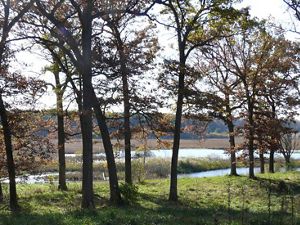
Newell and Ann Meyer Preserve
The Newell and Ann Meyer Nature Preserve encompasses oak savanna and woodlands, wetlands and former agricultural land near Eagle, Wisconsin.