
We're working with you to make a positive impact around the world in more than 35 countries, all 50 United States and your backyard. Support our work
An estuary is an area in which river water mixes with water from a large lake or an ocean.
As a spawning habitat and source of organic material, productive estuaries are vital to the Lake Michigan ecosystem. But they are fragile. Most estuaries along the Great Lakes have been destroyed because they cannot easily share precious shoreline with commercial and residential development.
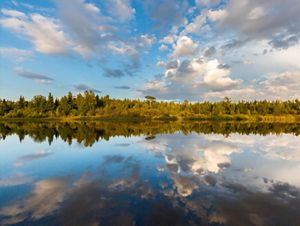
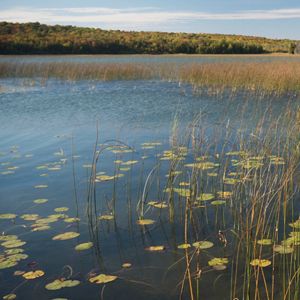
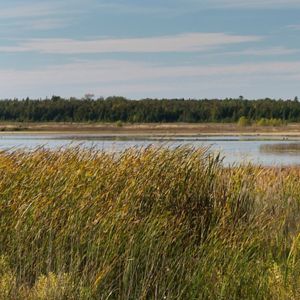
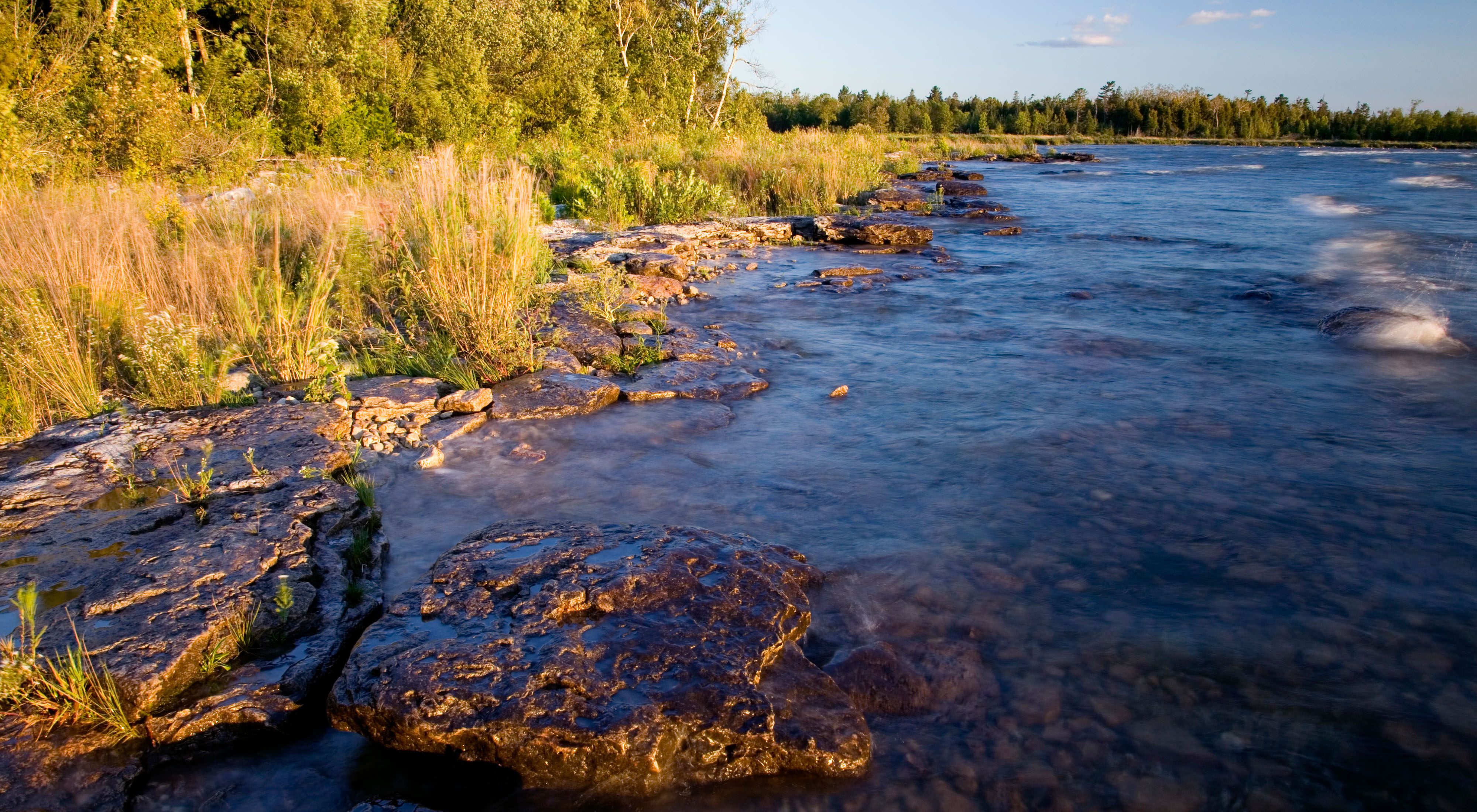
Waters from the Mink River and Lake Michigan combine to form this freshwater estuary. The visitor will enjoy a habitat almost identical to that witnessed by the Potawotami Indians, who lived here more than 100 years ago.
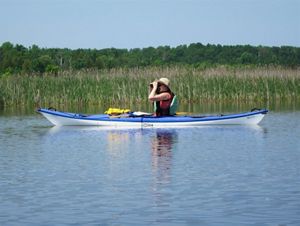
A leisurely canoe trip from Rowley's Bay to the spring-fed headwaters of the Mink River provides a great opportunity for bird watching.
North East Wisconsin at Northern end of the Door Peninsula, about 4 miles southeast of the Village of Ellison Bay
Open year round, dawn to dusk
This is a great place to hike, canoe and cross-country ski.
The best way to see the wetlands is via canoe. Canoe and kayak rental is available at Door County Kayak Tours. Contact them at (920) 868-1400 or at their website.
The trail off of Newport Drive (Cnty Hwy NP) is unmarked but well-defined.
The trails off of Mink River Road are unmarked and can be confusing to follow.
In winter, watch for snowmobiles on the main trail.
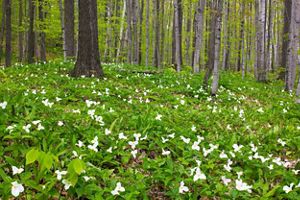
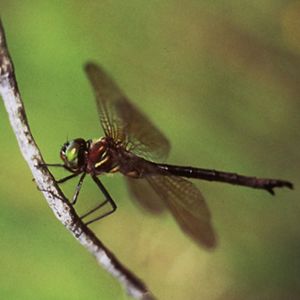
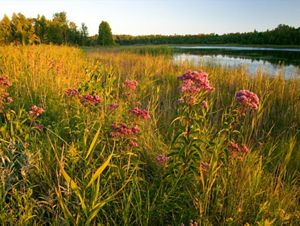
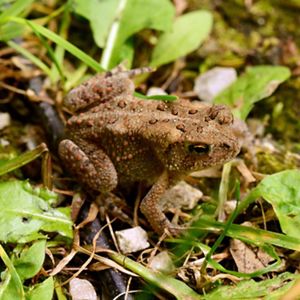
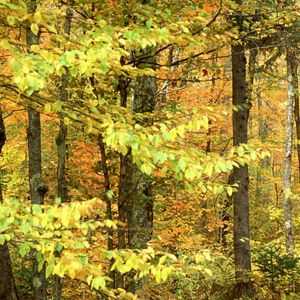
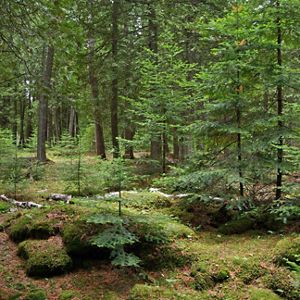
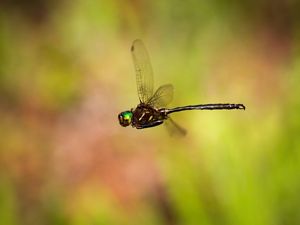
Mink River Estuary is a Great Lakes estuary with regionally important natural values. As a Great Lakes coastal wetland and forest landscape, it provides habitat for a number of important plants and animals including Great Lakes fish, many species of migratory and breeding birds, and many mammals representative of a northern Wisconsin mixed conifer hardwood forest.
As of December 19, 2011, the Conservancy has protected 1,854 acres at Mink River Estuary. This figure includes lands owned and managed by the Conservancy, conservation easements, government co-ops and assists.
Despite development and use, careful local conservation has helped protect the freshwater estuary in much the same condition as when it was inhabited by the Potawotami Indians more than a century ago.
The diverse vegetation in the estuary features communities from white cedar swamps to wild rice marshes.
Lowland forest, dominated by white cedar, surrounds the edges of the marsh.
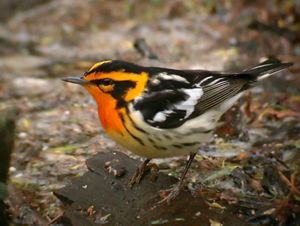
This is a critical migration site for birds: More than 200 species may pass through the area annually. These include the following:
In late summer and fall, it's possible to see double-crested cormorants and red-breasted mergansers. And evidence exists of habitation by the bald eagle and sandhill crane.
Please see "Preserve Visitation Guidelines"
Canoe Access:
From intersection of State Hwy 57 and State Hwy 42 in Sister Bay:
Hiking Access:
From the intersection of State Hwy 57 and State Hwy 42 in Sister Bay:
You can also access the preserve from Newport Drive on the east side of the river:
Have you been to this preserve? Are you thinking of visiting? See what others are saying about their experiences and add your comments below.
Time for you to join the discussion. Tell us about your experience at this preserve. What plants and animals did you see? When did you go? You can help others plan their visit when you share your thoughts. And thank you for visiting one of our nature preserves!
Whether scary or exciting, nature has a way of sneaking up on you. See stories
Hear some of nature's success stories and see how nature matters to us all. Watch videos