
Virginia
Seeking Creative Solutions to the Commonwealth's Most Complex Conservation Challenges

- Phone: 434-295-6106
-
Follow


Make a Difference in Virginia
From the rivers of the Clinch Valley to the mountains of the Appalachians and Allegheny Highlands; across the Piedmont to the pine forest savannas of the Tidewater; throughout waters of the Chesapeake Bay and beyond, we're working to create a world where people and nature can thrive. Will you help us continue this work?

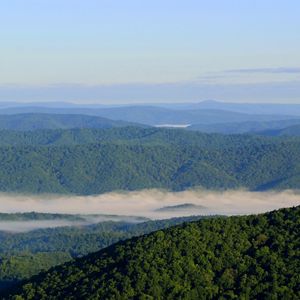
Restoring the Appalachians through Fire: A Joint Conservation Vision
Discover how The Nature Conservancy in Virginia and state and federal partners are restoring Virginia’s Appalachian forests through fire.


Learn About Conservation


Virginia Resources

Connect with Nature
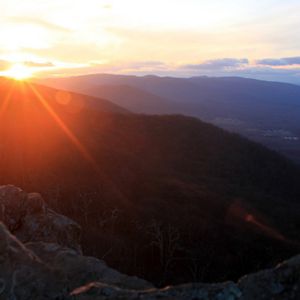
Experience and enjoy TNC's public preserves in Virginia. Plan your visit!

TNC Virginia Staff and Trustees
Meet the people who are working to create lasting solutions in Virginia and around the world.

Virginia Preserve Guidelines
Experience and enjoy our public access preserves, but remember that every visitor has an impact. Please follow our visitor guidelines to protect yourself and nature.

Manatees to Mountains
From the ridgelines of Appalachia to Florida’s manatee-rich lagoons, the Southern U.S. is one of the most ecologically diverse regions in the country. Explore how our conservation work in Virginia connects with efforts across this vast geography.

Magazine Highlights
Explore conservation highlights from across the commonwealth as featured in the Winter 2025 Nature Conservancy magazine.
Download

We're seeing conservation pay off across Virginia. Highlights from our work in 2025 and a look ahead to the future.
DownloadWe Can’t Save Nature Without You
Sign up to receive monthly conservation news and updates from Virginia. Get a preview of Virginia's Nature News email

Recent Stories and news

The Nature Conservancy in Virginia Purchases Sunken Meadow, Permanently Protecting Wetlands and Forest Habitat
TNC Virginia has purchased nearly 700 acres of forested land, protecting significant ecological resources and wildlife near the James River.

Restoring Our Oak Forests through Controlled Burns
Carefully planned prescribed fires are helping to open up the forest canopy and bring back the mighty oak!

Playing with Fire: My View from Prescribed Burns in the Allegheny Highlands
Eli Beech-Brown shares his new understanding of “good fire” for healthy forests gained during a summer interning in the mountains of Virginia.