
We're working with you to make a positive impact around the world in more than 35 countries, all 50 United States and your backyard. Support our work
Yes
Hike along the shoreline of Lake Michigan or visit the historic Pt. Betsie Lighthouse. View All
Located in Benzie County in the Lower Peninsula View All
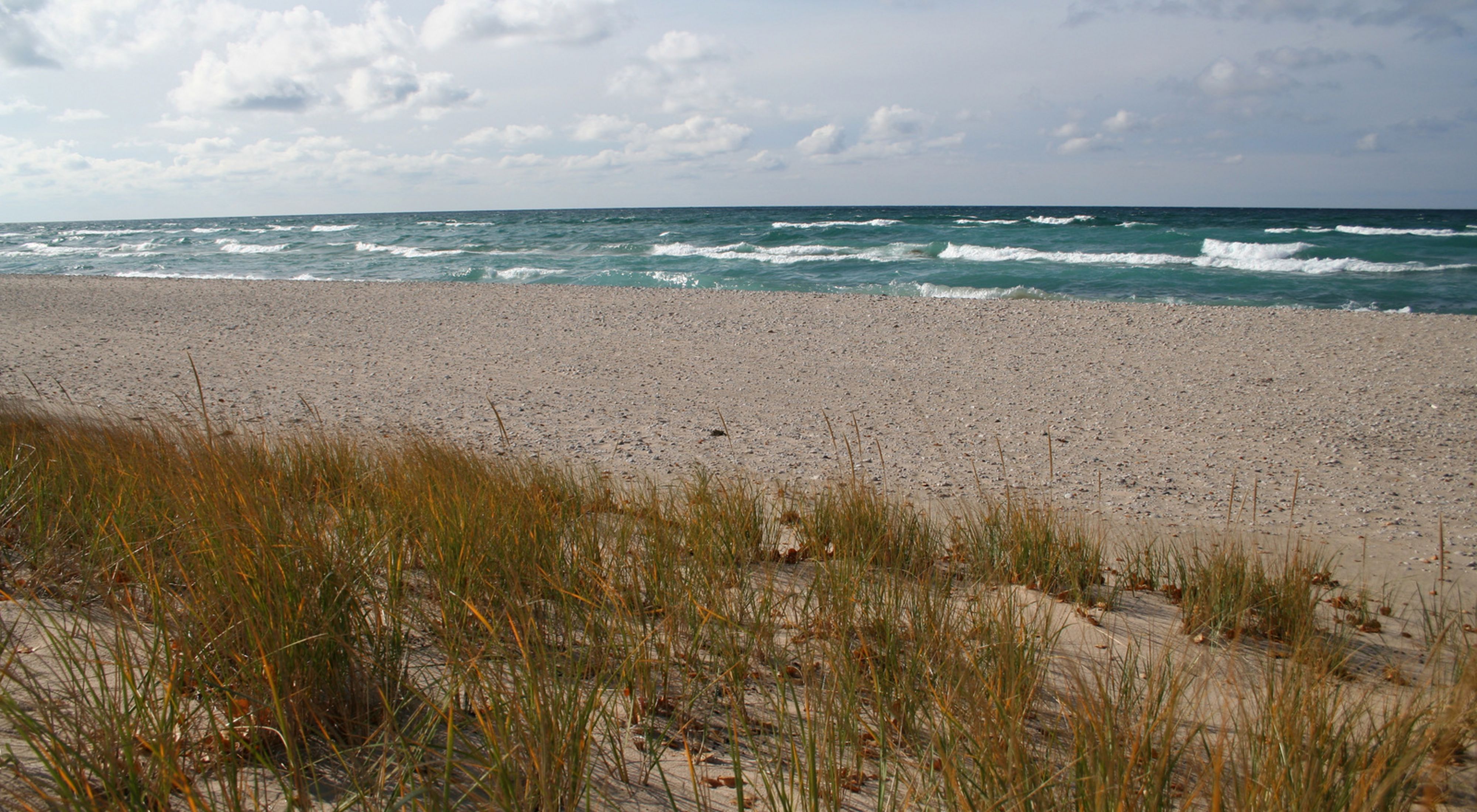
Point Betsie is a dynamic mosaic of shifting sand dunes, interdunal wetlands, boreal forest and sandy Lake Michigan beaches continuously impacted by natural stresses such as wind and wave action, ice scouring, and currents moving along the shore of the lake. This globally-imperiled open dune habitat provides a place where threatened species such as Pitcher’s thistle, fascicled broomrape and the Lake Huron locust can thrive. Dune vegetation includes marram grass, beach pea and hoary puccoon with forested islands of balsam fir, paper birch, red oak and creeping juniper. Peaceful ponds among the dunes swell and shrink in sync with water levels in Lake Michigan, attracting migrating birds such as the semipalmated plover. Cedar waxwings flit through pockets of forest while spotted sandpiper and killdeer scurry over the sand.
Why the Conservancy Selected This Site
Point Betsie became a preserve through the generosity of Steve and Connie Zetterberg. In 1988 the Zetterbergs donated the original 71 acres of virgin sand dunes which became the Zetterberg Preserve at Point Betsie—property that had been in their family for generations. After having been preserved by the Zetterberg family, Point Betsie is now maintained by the Conservancy and cherished by generations of Michiganians.
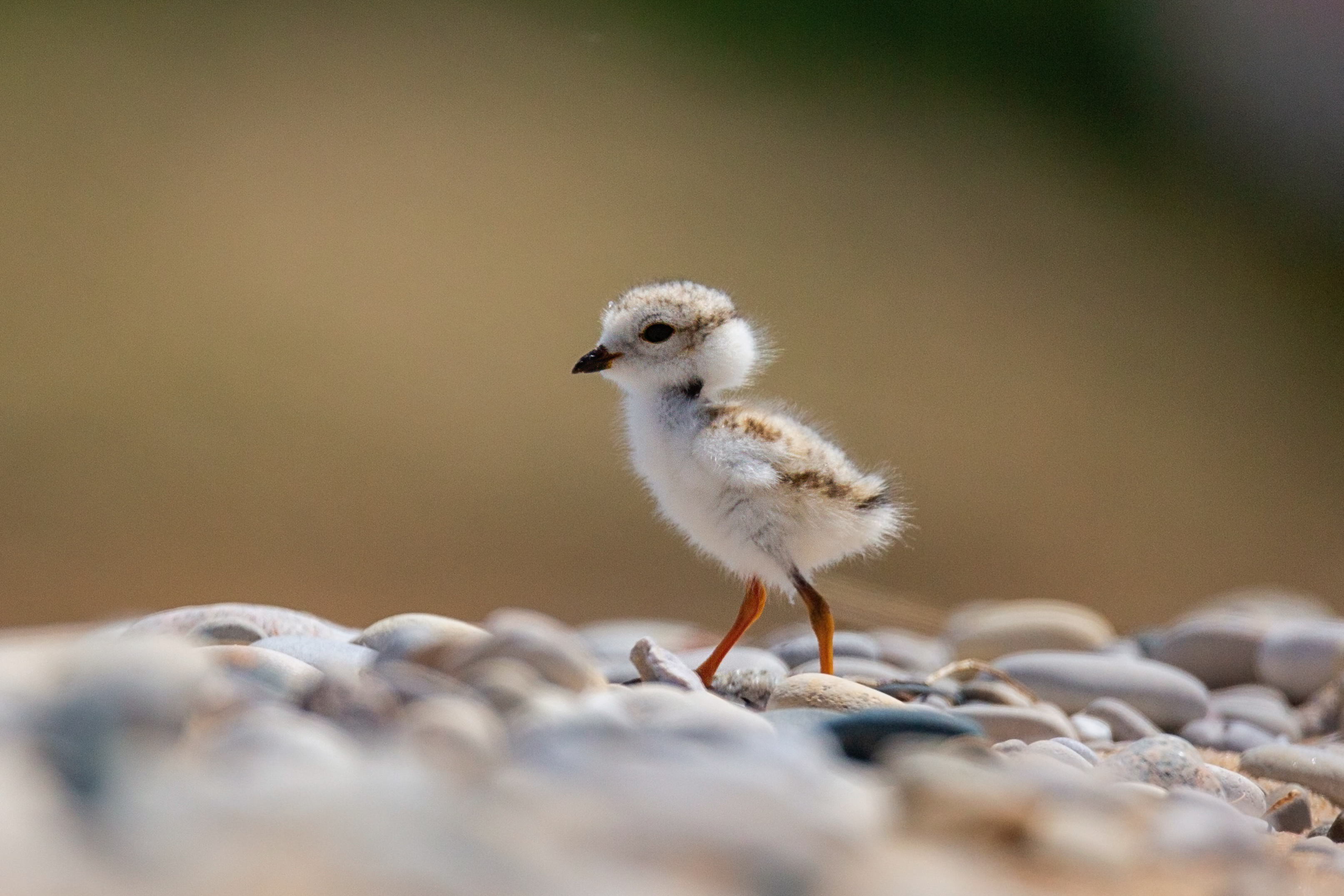
The dunes at Pt. Betsie are part of the largest freshwater dune system in the world, which covers 275,000 acres of Lake Michigan shoreline. The Pt. Betsie dunes provide critical habitat for rare species, including Pitcher’s thistle. They have also been identified as a potential nesting site for piping plover as the population of this endangered species recovers. The Nature Conservancy works with partners through the Michigan Dune Alliance to conserve this rare coastal ecosystem.
What the Conservancy Has Done/Is Doing
Since 2006 when the Meijer Foundation first began funding the Lake Michigan Dune Restoration Project, seasonal crews have removed invasive species such as baby’s breath and spotted knapweed from our Zetterberg Preserve at Pt. Betsie and partner lands along the eastern Lake Michigan shoreline. In 2009 Conservancy staff and volunteers also planted native marram grass plugs at Pt. Betsie as an initial step to restore vegetation on walking trails through the dunes. The trails provide a route for new invasive species introductions and can cause erosion.
From an innocuous beginning of volunteer workdays pulling baby’s-breath at the Zetterberg Preserve at Point Betsie, the Eastern Lake Michigan project has grown to encompass 505 miles of ecological restoration from the Indiana border to the Mackinac Bridge. Leveraging generous funding from the Meijer Corporation, we secured stewardship grants from Sustain Our Great Lakes (National Fish and Wildlife Foundation) in both 2010 and 2011 for invasive species control efforts along the entire Eastern Lake Michigan coast. This project exemplifies the “site to system” approach of the overall Great Lakes Project as there are now a wide variety of landscapes being restored by a range of partners that includes state and federal agencies, non-profit groups, and regional land conservancies.
Workers install dune exhibit at Pt Betsie Lighthouse on the eastern shore of Lake Michigan. Jason Whalen
Watch a new video about our exhibit at the Point Betsie Lighthouse Museum
For your safety and to protect this fragile ecosystem, please STAY OFF the dunes. Consider a hike along the shoreline instead of through the preserve to prevent dune erosion. Please note the photo of the state and globally threatened Pitcher’s thistle to help you avoid trampling plants.
Preserve is adjacent to the Point Betsie Lighthouse (http://www.pointbetsie.org/) which is open for tours Memorial Day to Columbus Day. The beach is not part of the Preserve. Respect private landowners that live adjacent to the Preserve by not trespassing.
The rare Pitcher’s thistle blooms in July with cream-colored flowers. Point Betsie also offers excellent bird watching opportunities during the spring and fall migrations, which are in May and late August through September respectively.
Natural hazards to be aware of include poison ivy and leafy spurge, which can cause skin irritations. Walking the sand dunes of this preserve is strenuous, and there are dangerous lake currents offshore. Be sure to bring plenty of water with you when you visit.
Permitted Activities:
Prohibited Activities:
Please see "Preserve Visitation Guidelines."
From Frankfort, Michigan:
Have you been to this preserve? Are you thinking of visiting? See what others are saying about their experiences and add your comments below.
Time for you to join the discussion. Tell us about your experience at this preserve. What plants and animals did you see? When did you go? You can help others plan their visit when you share your thoughts. And thank you for visiting one of our nature preserves!
Whether scary or exciting, nature has a way of sneaking up on you. See stories
Hear some of nature's success stories and see how nature matters to us all. Watch videos
Lucia K. Tower Preserve at Portage Point Dunes. Wind action off Lake Michigan has created a 7 to 8 acre gouge in the preserve's frontal sand dune. © Chris May