
We're working with you to make a positive impact around the world in more than 35 countries, all 50 United States and your backyard. Support our work
Yes
This land will be open for foot access and activities such as hiking, snowshoeing, bird watching and deer hunting by permit. View All
Located in Van Buren County in the Lower Peninsula View All
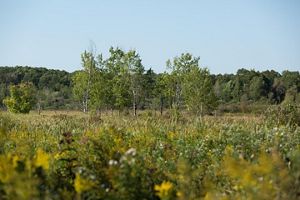
It's no coincidence that the Paw Paw River watershed is also known as Michigan's 'Wine Country.' The temperate climate, fertile soil, and nearby river not only create idyllic conditions for vineyards, but also for land rich in biodiversity.
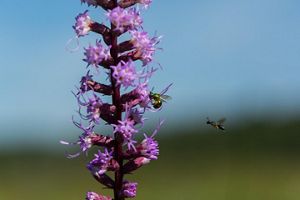
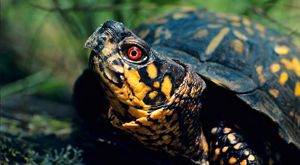
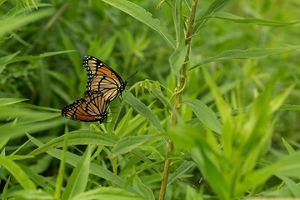
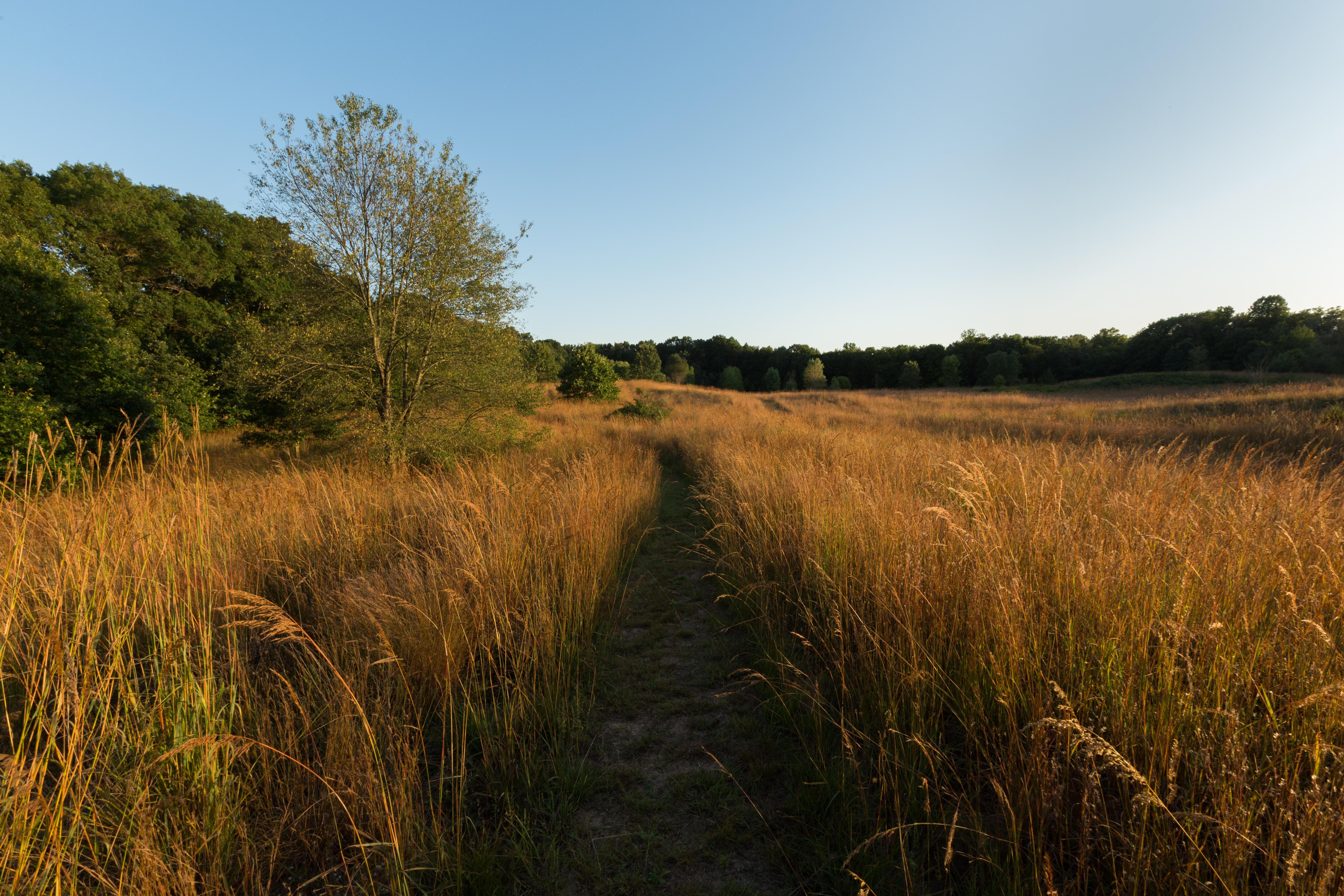
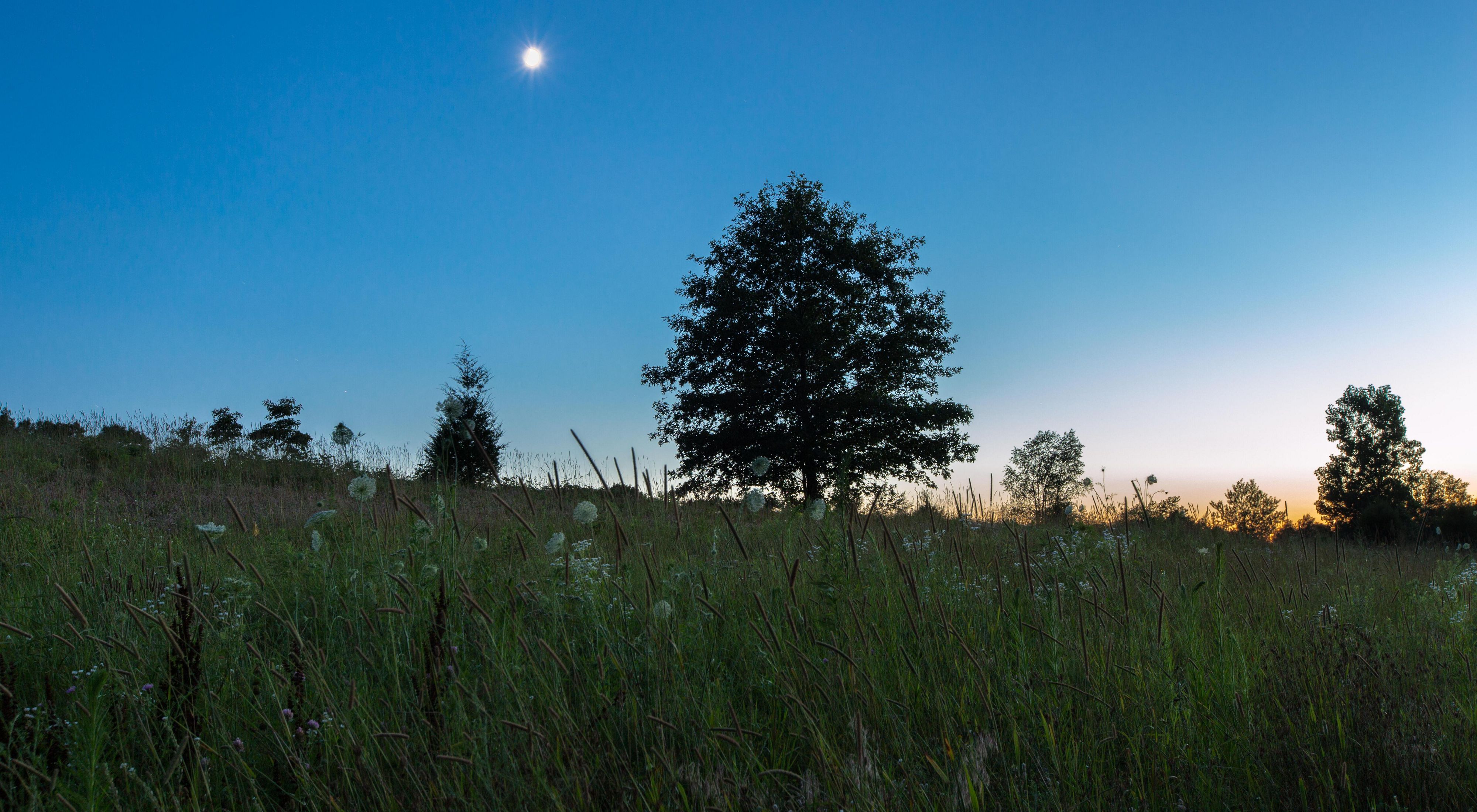
Wetlands, prairie fens, barrens and floodplain forests create the jewels of the Paw Paw necklace — the natural communities that feed into and rely on the waterway. Visitors to the area might spot species such as the eastern box turtle or an eastern massasauga rattlesnake. The floodplain forests along the river provide an important corridor for thousands of migratory songbirds. Anglers have been attracted to the river for years after hearing stories of trout as big as 27 inches.
Why the Conservancy Selected This Site
Given the River’s close proximity to a cluster of growing communities from Benton Harbor to Kalamazoo, it’s only natural that incompatible development and land use changes threaten the variety of habitats here. The Paw Paw Prairie Fen site was originally slated for a housing development. The development company had removed all the topsoil, laid out a road route, and began landscaping for a neighborhood. The Conservancy was alerted to rare wetland communities at the site and began negotiations for acquiring the land.
A fen is a unique type of wetland found in glaciated landscapes, fed by alkaline, mineral-rich groundwater that supports highly diverse and rare plant life. Bogs by contrast, which are not found at this preserve, are acidic and fed by precipitation. There are several types of fens, but prairie fens, like Paw Paw Prairie Fen, provide habitat for both wetland and prairie plants, making them especially diverse and important to the preserve.
What the Conservancy Has Done/Is Doing
The Conservancy owns 106 acres along the east branch of the Paw Paw River near Mattawan. Fen restoration began in 2004 with the removal of invasives including glossy buckthorn and reed canary grass. The following year, efforts to restore the native savanna began by treating invasive such as spotted knapweed, and replanting prairie grass seed of varieties native to this habitat at this location. We have removed 4 acres of full-grown spruce trees, which were planted to line the main avenue of the housing development. Professional land managers also employ prescribed fire throughout the preserve to reduce invasive species and promote healthy habitats for native plants and animals. These restoration strategies continue to be implemented throughout the preserve.
The Nature Conservancy has teamed up with farmers, the Van Buren Conservation District, the The Coca-Cola Foundation and Michigan State University to protect and improve water quality and quantity in the Paw Paw River watershed. Learn more
How are changing farming practices helping freshwater? Watch a video to learn about sustainable solutions.
Fall migration of songbirds is quite immense. You are most likely to catch them on their way south during August and September. Be sure to wear a hat and sunscreen. Because of the wet and uneven ground conditions, wear waterproof boots with ankle support.
The Nature Conservancy allows hunting for white-tail deer on this preserve to reduce an unnaturally high deer population in the area and reduce threats too many deer pose to our conservation targets. All hunters are required to receive a permit from the Conservancy as well as a Michigan deer hunting license. Additionally, hunters must report any deer taken from the preserve.
Permitted Activities:
Prohibited Activities:
Please see "Preserve Visitation Guidelines"
From Kalamazoo, Michigan:
Have you been to this preserve? Are you thinking of visiting? See what others are saying about their experiences and add your comments below.
Time for you to join the discussion. Tell us about your experience at this preserve. What plants and animals did you see? When did you go? You can help others plan their visit when you share your thoughts. And thank you for visiting one of our nature preserves!
Whether scary or exciting, nature has a way of sneaking up on you. See stories
Hear some of nature's success stories and see how nature matters to us all. Watch videos
Lucia K. Tower Preserve at Portage Point Dunes. Wind action off Lake Michigan has created a 7 to 8 acre gouge in the preserve's frontal sand dune. © Chris May