
We're working with you to make a positive impact around the world in more than 30 countries, all 50 United States and your backyard. Support our work
Location
Lenawee County, Lower Peninsula
Hours
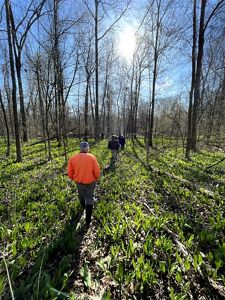
Access to this preserve is limited to field trips and volunteer workdays typically held weekly. Please email michiganvolunteer@tnc.org if you are interested in participating or visit our volunteer webpage.
Conditions
The Nature Conservancy allows hunting for white-tail deer on this preserve to reduce an unnaturally high deer population in the area and reduce threats too many deer pose to our conservation targets. Hunting at this site is at full capacity, but if you would like to join the waiting list, contact the West Michigan office at westmichigan@tnc.org or 616 785-7055.
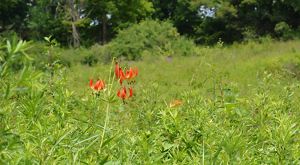
A fine chorus of spring peepers can be heard calling in mid-to-late March. The splendor of wildflowers and prairie grasses can be enjoyed from June to August. Be aware of poison ivy, poison sumac, chiggers and stinging nettle at this site. Because of the wet and uneven ground conditions, wear waterproof boots with ankle support.
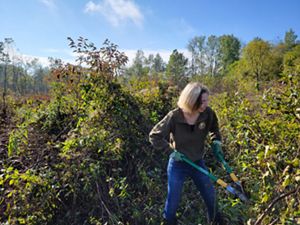
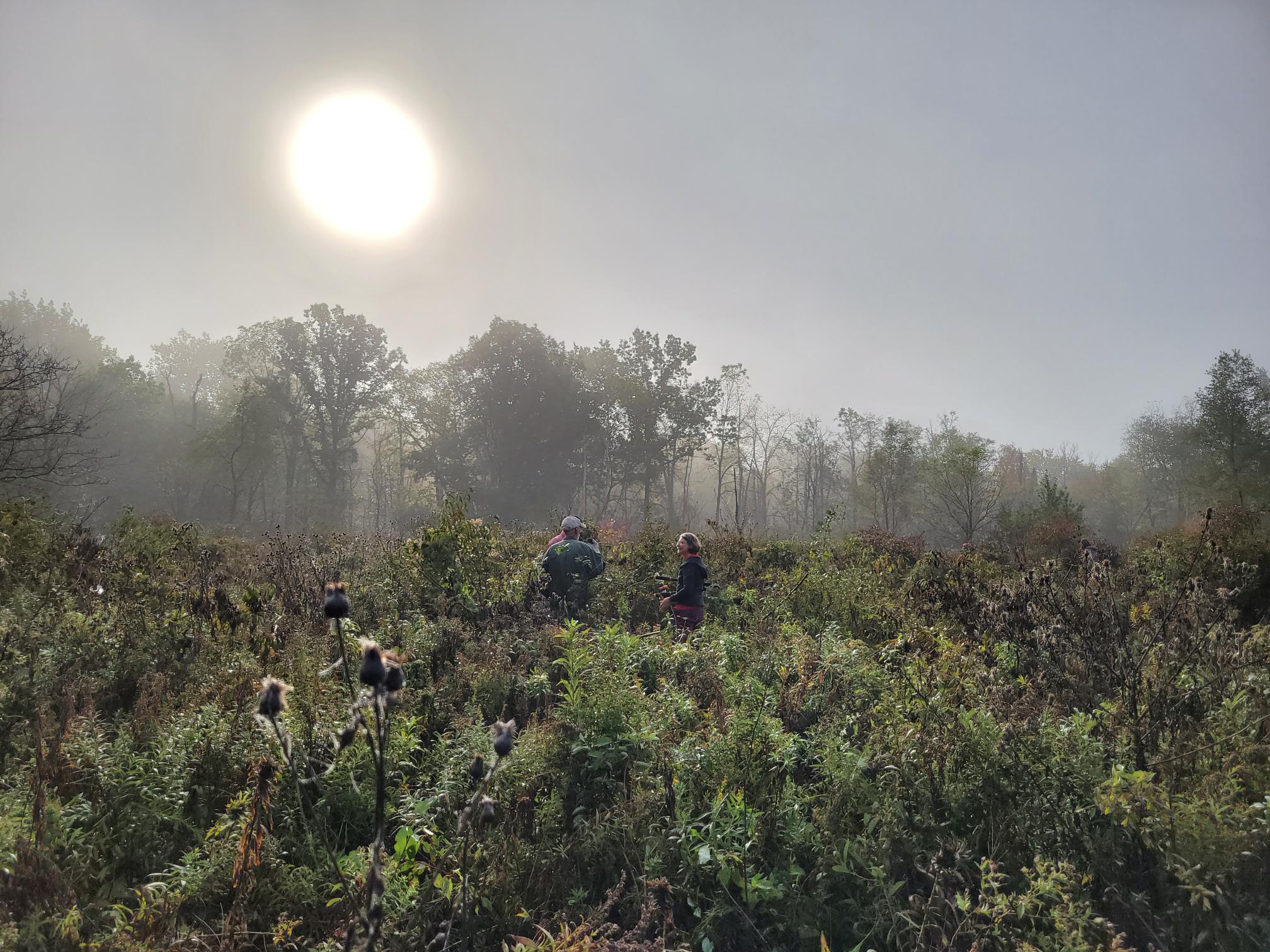
Volunteer stewardship workdays held throughout the entire year provide a great opportunity for you to experience the wonder of this place while contributing to the efforts to maintain its special habitat.
Why the Conservancy Selected This Site
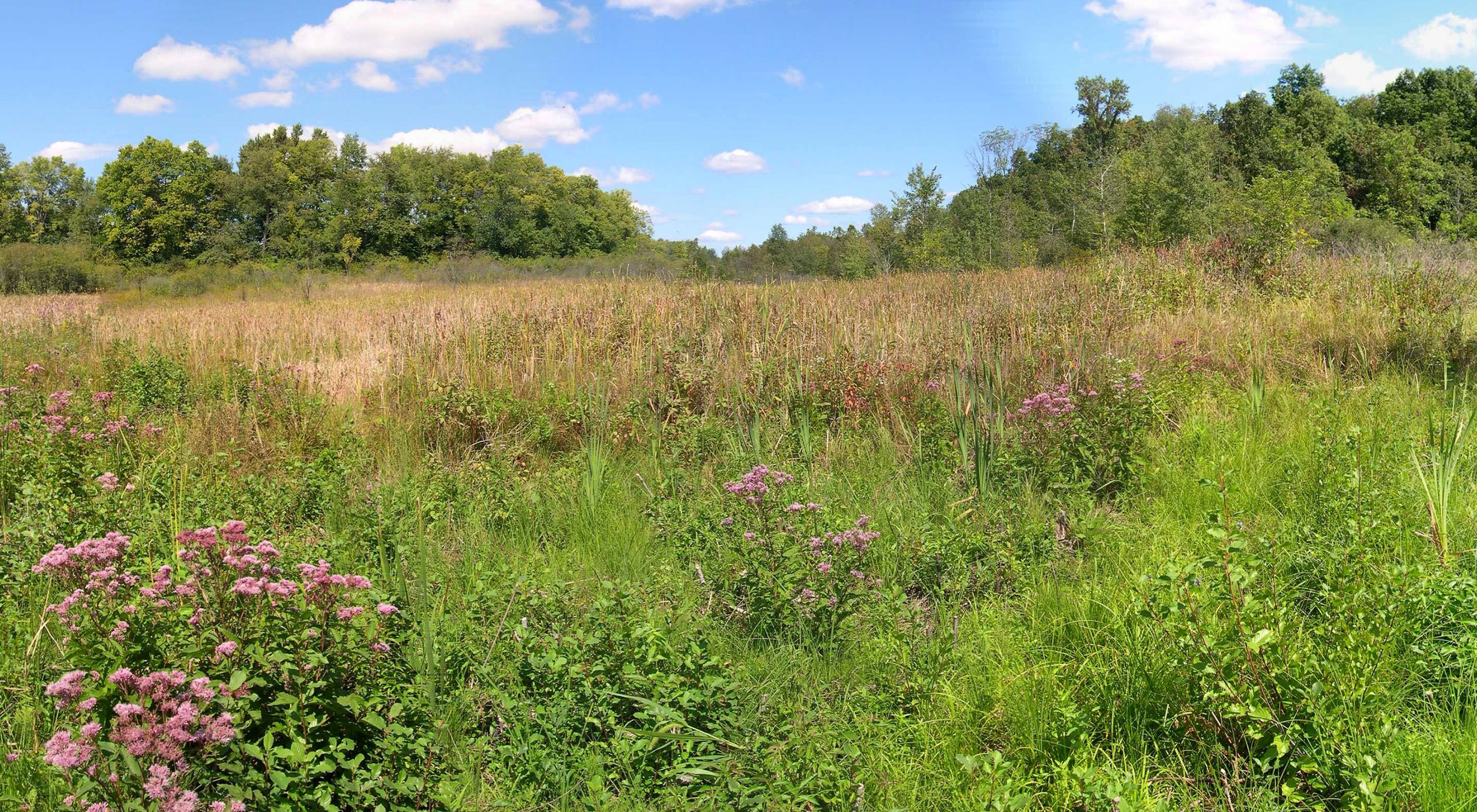
The Conservancy began purchasing land at Ives Road Fen in 1987. This wet, spring-fed prairie blends into floodplain forest to create a globally significant habitat. Its pure, cool water flows in rivulets under the thick grasses and sedges of the preserve, emptying into the River Raisin at its eastern edge. The River Raisin is one of the very best warmwater rivers in the state and includes 5 mussels of conservation concern. Additionally, three of the four local communities that draw all of their drinking water from rivers are on the River Raisin downstream of Ives Road Fen Preserve.
What the Conservancy Has Done/Is Doing
The main threats to this preserve are invasive species such as purple loosestrife and glossy buckthorn, ditches and tile lines, and fire suppression. Staff and our cadre of ambitious, dedicated volunteers have removed more than 2.5 million adult buckthorn stems, burned nearly 400 brush piles, spot burned 10 million buckthorn seedlings, conducted 31 prescribed burns, removed 1.5 tons of garlic mustard by hand and treated 500,000 purple loosestrife and 10,000 cattails. To restore hydrology, we have filled one ditch and installed dams in several others, and have removed over 100 meters of tile lines. Learn more about restoration monitoring of fens.
Volunteer at Ives Road Fen! Watch a video explaining why and what we do.
Sources for information include MNFI and MDNR.
Why You Should Visit
Where land and water come together, wonderful things happen. Wet, spring-fed fen blends into floodplain forest to create the globally significant habitat of Ives Road Fen Preserve. Fens are unusual, and increasingly rare, wetlands that receive water from underground alkaline springs rather than from precipitation. This pure, cool water flows in rivulets under the thick grasses and sedges of the preserve, emptying into the River Raisin at its eastern edge.
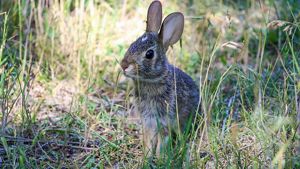
The air sings with throaty trills of the tree frog, the tap-tap-tap of the rare Blanchard’s cricket frog and a chorus of migratory and breeding birds such as the yellow-breasted chat, blue-winged warbler and alder flycatcher. The fen also provides ideal habitat for many rare plants, including the carnivorous sundew and pitcher plant, as well as the showy coneflower, prairie dropseed grass, prairie Indian-plaintain, hairy-fruited sedge, beak grass and prairie rose. Spectacular sycamore and silver maple trees spread their shade over the floodplain. One of the rare animals here is the hickorynut mussel, found in the river itself.
What to See: Plants
Please see "Preserve Visitation Guidelines."
From Tecumseh:
Have you been to this preserve? Are you thinking of visiting? See what others are saying about their experiences and add your comments below.
Time for you to join the discussion. Tell us about your experience at this preserve. What plants and animals did you see? When did you go? You can help others plan their visit when you share your thoughts. And thank you for visiting one of our nature preserves!
* Required Fields
We need to act now, before it's too late. Watch the Video, Take Action
We're addressing Latin America's most pressing conservation issues. Read the Story
Lucia K. Tower Preserve at Portage Point Dunes. Wind action off Lake Michigan has created a 7 to 8 acre gouge in the preserve's frontal sand dune. © Chris May