
We're working with you to make a positive impact around the world in more than 35 countries, all 50 United States and your backyard. Support our work
Partners, including The Nature Conservancy, have already rebuilt oyster reef substrate on 110 underwater acres with an aim of restoring billions of oysters to this Chesapeake Bay tributary.
By: Tom McCann
Oysters are an iconic species in the Chesapeake Bay. They filter pollutants from the water while providing important nurseries and feeding grounds to rockfish, crabs, and other marine life. For generations oysters have also played an important role in the bay economy as a food that locals and tourists love.
In fact, it’s possible they have been loved to death – by overharvest, pollution and disease which have decimated populations and left remaining oysters unable to fill their ecological and economic roles.
Fortunately, recent and dramatic changes in the public policy arena, coupled with emerging scientific understanding and the installation of large-scale oyster sanctuaries, are providing a clear path forward for restoring this keystone species. These strides are further fueled by an aggressive and concerted effort between The Nature Conservancy, the Oyster Recovery Partnership, state, federal and other partners focused on restoring oyster reefs in twenty bay tributaries by 2025.
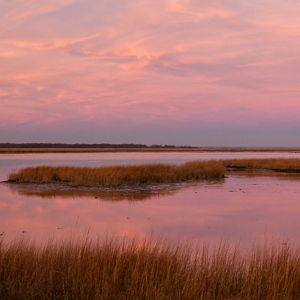
The first of these targeted tributaries is Harris Creek. Located on Maryland’s Eastern Shore, Harris Creek represents the largest oyster restoration effort ever conducted in the Chesapeake Bay or along the East Coast. Major activities taking place at Harris Creek include rebuilding more than 370 underwater acres with new reef substrate that will host billions of baby oysters ready to call the creek home. To date, the partners have rebuilt and are monitoring 110 acres with plans to tackle more.
While ground-breaking in its own right, the Harris Creek project also provides a road map for large-scale oyster restoration efforts in other Chesapeake Bay tributaries including the Little Choptank and Nanticoke rivers.
“It’s time for oyster restoration in the Chesapeake Bay at a meaningful scale,” said Mark Bryer Chesapeake Bay program director for The Nature Conservancy. “We have the right polices in place, the scientific understanding and the partners. With funding we can implement the most ambitious effort ever to restore oysters to the Chesapeake Bay.”
Partnership Plants 5 Million Oysters in Harris Creek
Press Release
Harris Creek Oyster Project Offers Hope
Chesapeake Bay Journal
Six Things the Chesapeake Bay is Thankful For: A Huge Boost in Oyster Restoration
Chesapeake Bay News
Tom McCann is an associate marketing director for the Conservancy based in Arlington, Virginia.
Whether scary or exciting, nature has a way of sneaking up on you. See stories
Hear some of nature's success stories and see how nature matters to us all. Watch videos