
We're working with you to make a positive impact around the world in more than 35 countries, all 50 United States and your backyard. Support our work
Yes
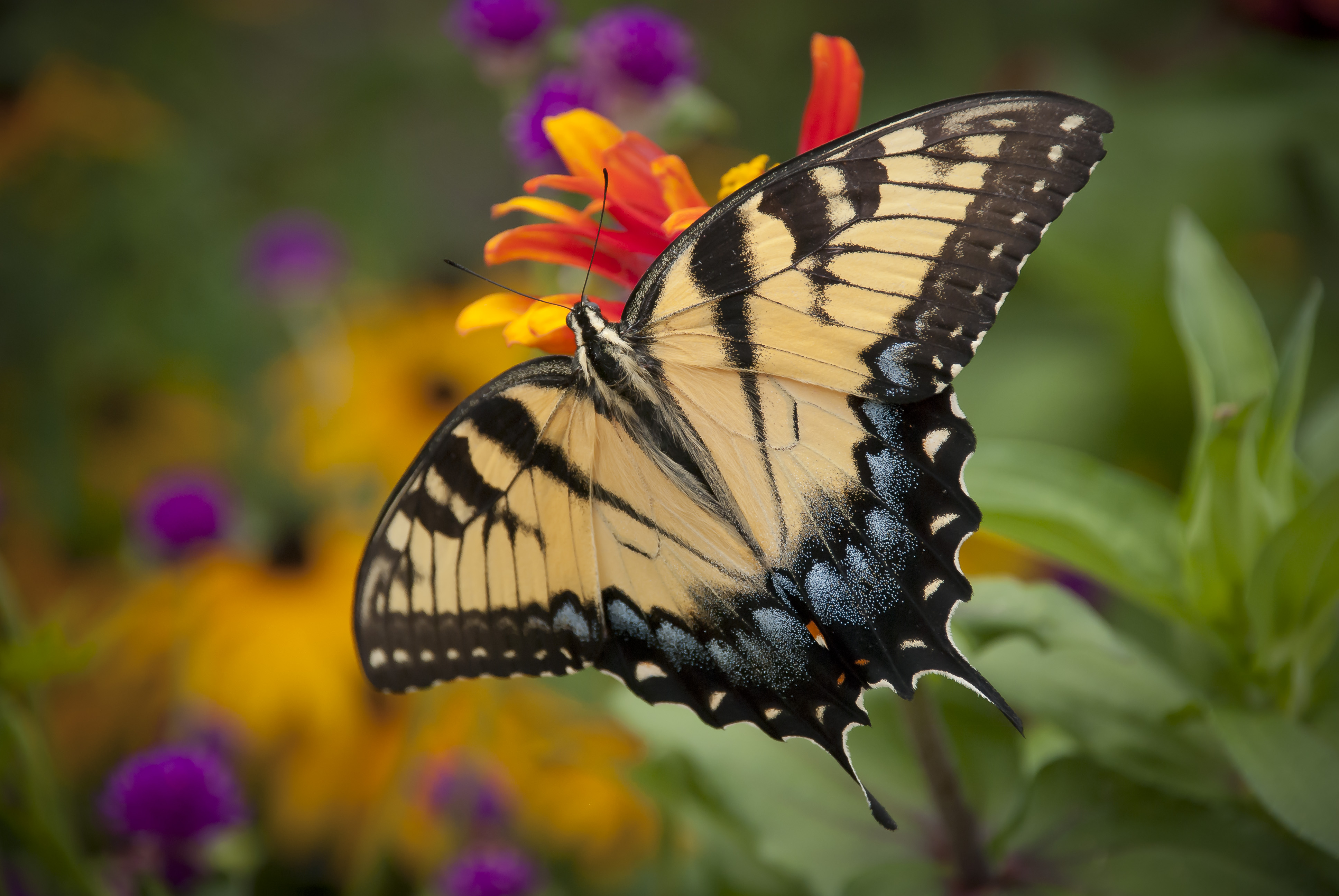
Take a look around and spot some of Fraser Preserve's amazing plants and animals. View All
Get the most of your visit to Fraser Preserve. View All
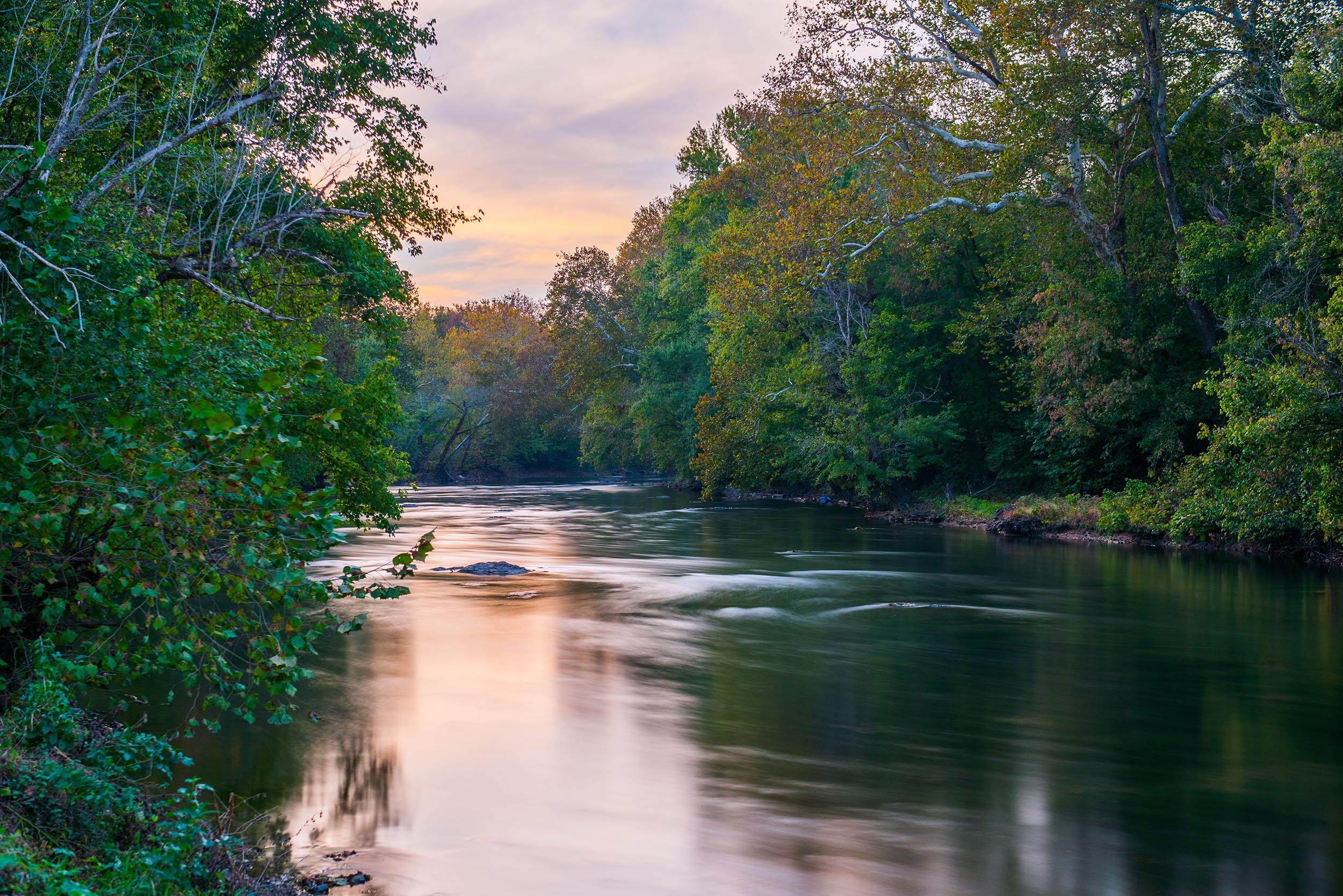
Fraser Preserve boasts about 110 species of birds, including the bald eagle, and 300 varieties of wildflowers. A short hike offers glimpses of the many natural habitats found in the Piedmont region, including fast, clear streams, lush cold-spring swamp, marsh, mature hardwood forests, open meadow, ponds, river and stream floodplain forests and thickets, steep rocky bluffs, springs and seeps, and various stages of old field succession. The terrain slopes down to the Potomac River, which forms the preserve's northern boundary.
Fairfax County
Daily dawn to dusk
220 acres
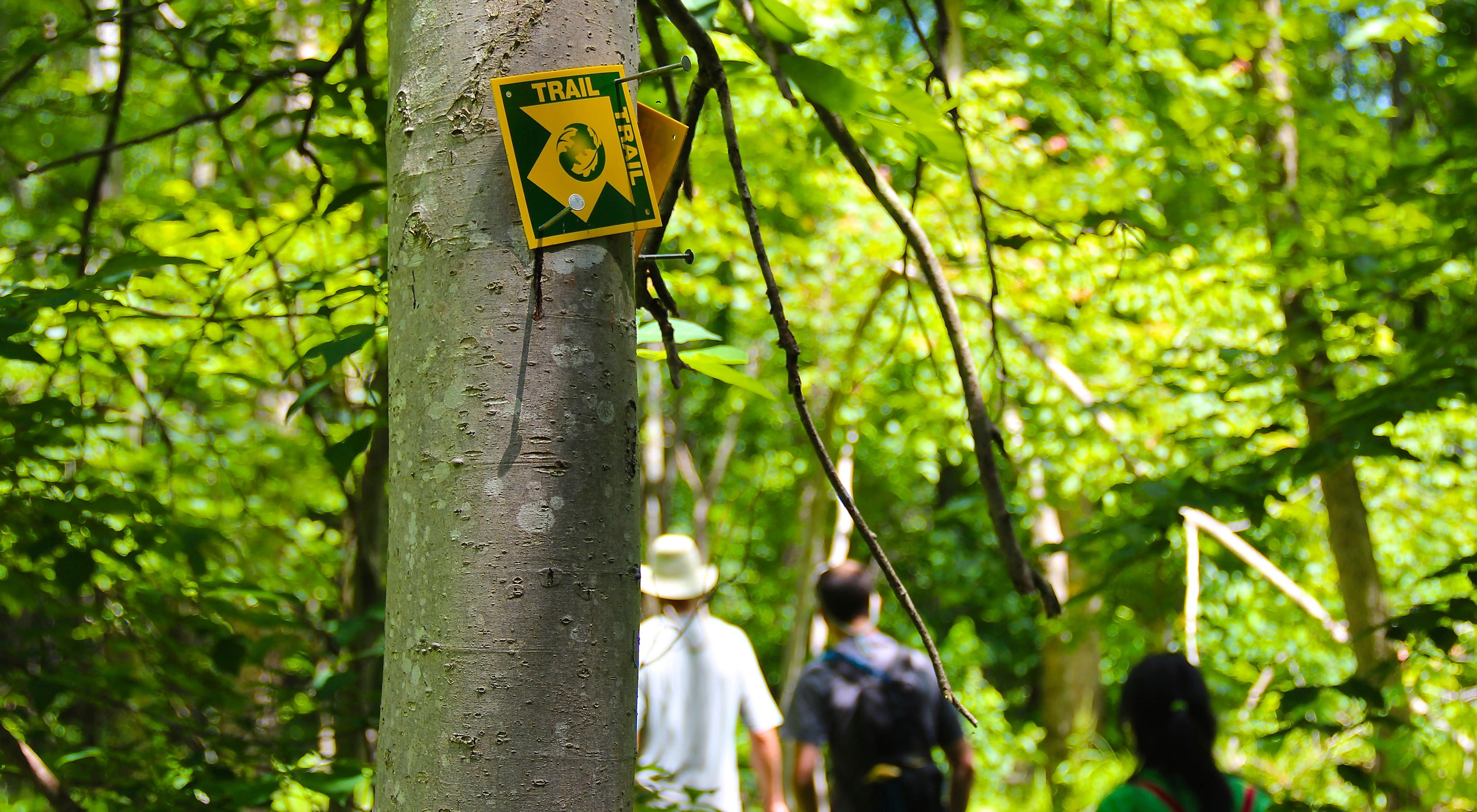
The preserve features approximately 2.25 miles of walking trails. Hike options include loops within the preserve, and you can extend your hike by continuing beyond the preserve's eastern and western boundaries onto connecting public trails maintained by the Northern Virginia Regional Park Authority.
Download a trail map of Fraser Preserve.
Fraser Preserve was acquired in 1975 as a gift from Mrs. George (Bernice) Fraser. Originally inhabited by members of the Anacostan, Piscataway and Tauxenent tribes, the bottomlands along Fraser's river border have yielded many arrowheads, pottery shards and stone weirs (dams used in taking fish from the Potomac). American University extensively studies these historic sites, and numerous artifacts are displayed in their museum.
The area now known as Fraser Preserve was once part of a tract of 5 million acres granted by King Charles I in 1649 to seven nobleman friends. In 1710, the land was passed on to the Fairfax family and eventually to Thomas Lee, the first of the famous Virginia Lees. Wheat farming prevailed in the area from about 1790 to 1840, and the tract likely was farmed until agriculture began to decline in Fairfax County following World War I.
Mrs. Fraser also donated a small in-holding within the preserve to the Calvary Baptist Church. No boundaries delineate the two properties. The Conservancy and the Calvary Baptist Church share the common goal of maintaining Fraser Preserve in its natural state and for the enjoyment of visitors.
Among the mammals known to live here are the mole, Eastern chipmunk, gray squirrel, woodchuck, skunk, raccoon, white-tailed deer, fox, and beaver. Several turtle species that usually live farther north also inhabit Fraser.
Fraser's many amphibian species include the Southern leopard frog, spring peeper, gray tree frog, American toad, two-lined salamander and Northern red-backed salamander.
About 110 bird species, including 39 nesting species and the bald eagle, have been documented at Fraser. Among the nesting birds are the red-shouldered hawk, ruby-throated hummingbird, downy woodpecker, scarlet tanager and blue-gray gnatcatcher.
The tremendous variety of wildflowers at Fraser may be directly attributed to its diverse habitats. About 300 species of wildflowers have been identified in the preserve; of special interest are the following unusual or rare species: purple cress, marsh marigold, purple fringeless orchis, false (white) hellebore and poison hemlock.
Download a trail map of Fraser Preserve.
Go on a treasure hunt with your family at Fraser Preserve! What will you find?
For information, contact the Virginia Chapter office: (434) 295-6106.
From Interstate 495:
A gate has been re-installed at the entrance to the gravel road heading into the preserve. Visitors and volunteers should park on Springvale Road, or Allenwood Lane, making sure not to block the road or gate or private driveways to the right of the entrance. The gravel entrance road is now part of the trail and will add 0.6 miles to your hike.
Have you been to this preserve? Are you thinking of visiting? See what others are saying about their experiences and add your comments below.
Time for you to join the discussion. Tell us about your experience at this preserve. What plants and animals did you see? When did you go? You can help others plan their visit when you share your thoughts. And thank you for visiting one of our nature preserves!
Whether scary or exciting, nature has a way of sneaking up on you. See stories
Hear some of nature's success stories and see how nature matters to us all. Watch videos
Brian van Eerden, Southern Rivers Program Director, with his daughter, Abigail, explore the pine savannahs at The Nature Conservancy's Piney Grove Preserve and adjoining International Paper property located in the Mid Atlantic Coastal Plain ecoregion of southeastern Virginia. © Mark Godfrey/TNC