
We're working with you to make a positive impact around the world in more than 35 countries, all 50 United States and your backyard. Support our work
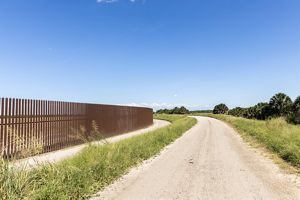
Learn How the Proposed Border Fence Threatens the Preserve
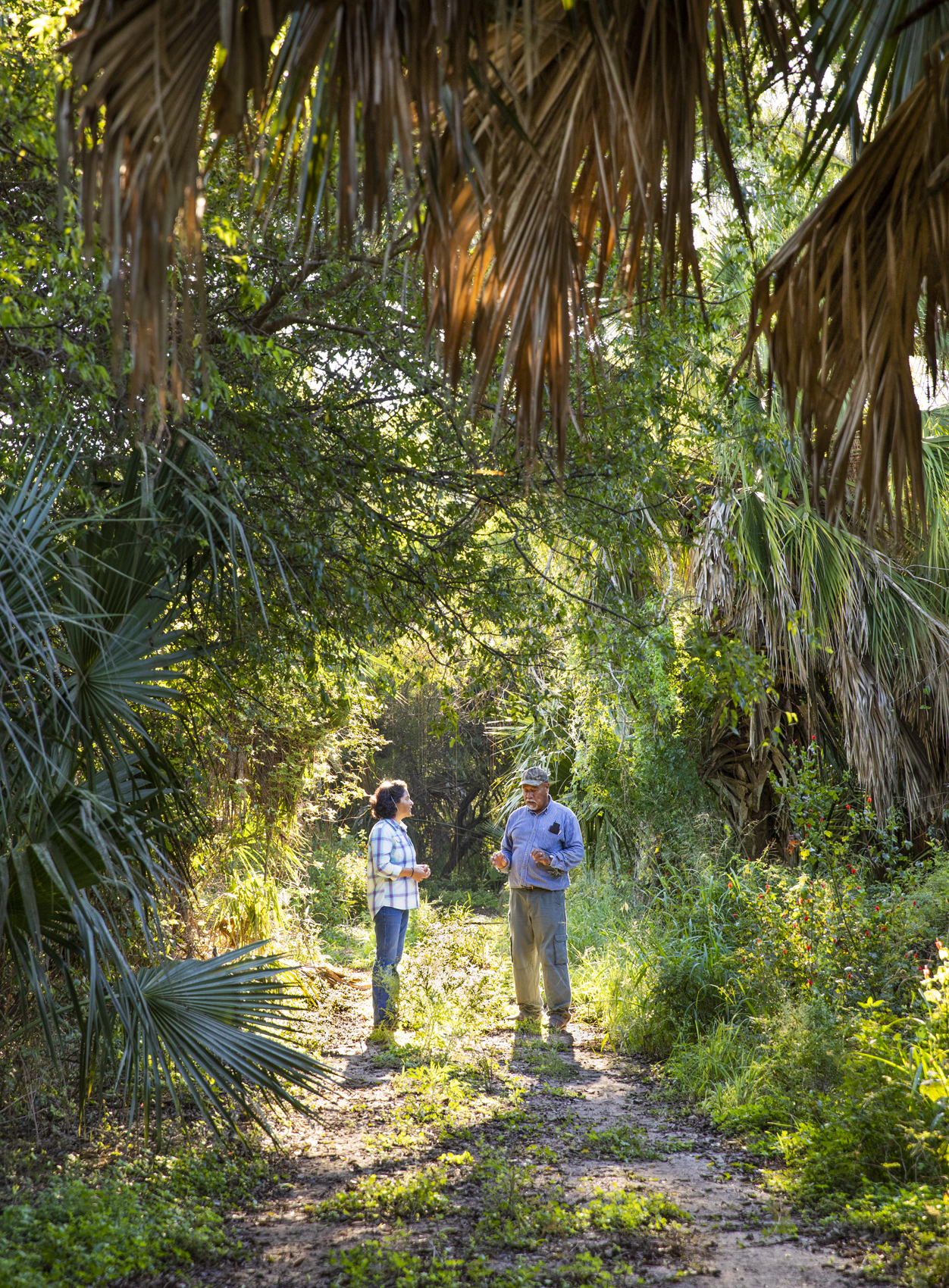
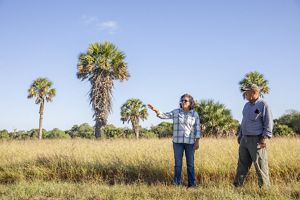
This preserve is home to one of the only two remaining large stands of native Mexican sabal palms in the U.S. In addition, several large tracts of Tamaulipan thornscrub are found here. A number of species at the northernmost extent of their range are present, such as David's milkberry, potato tree, Palmer's bloodleaf, and climbing plumbago. The bright fuchsia floral spikes of coral bean trees and the scarlet flowers of Turk's cap are abundant in spring beneath the canopy of palms and tall riparian trees.
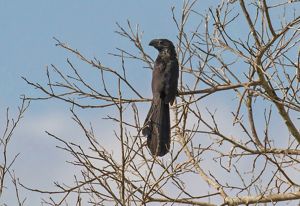
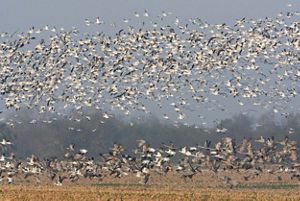
The Southmost Preserve is part of major migratory flyways. Birds that may be observed here include the Altamira oriole, chachalaca, green jay, tropical parula, buff-bellied hummingbird, black-bellied and fulvous whistling duck, groove-billed ani, Couch's kingbird, and olive sparrow. The wooded fringes of the resacas offer some of the last remaining nesting habitat known for two rare subspecies of birds, the Brownsville common yellowthroat and the Lomita Carolina wren.
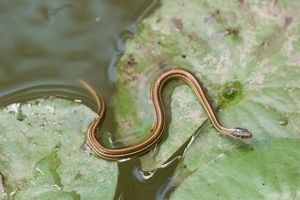
The natural vegetative communities of Southmost Preserve provide habitat for a number of rare, threatened or endangered species, including the Southern yellow bat, Texas tortoise and Coue's rice rat. The speckled racer, a rare snake, has been sighted on the preserve, as has the black-spotted newt. Ocelot and jaguarundi have been reported on occasion in this area. Rare amphibians, such as the sheep frog, Mexican white-lipped frog and Rio Grande lesser siren, are dependent upon this aquatic habitat.
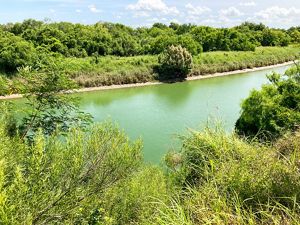
Because of the its unique flora and fauna and rich biological diversity, the property has long attracted the attention of conservation biologists. Despite the land's history of agricultural use, the preserve's sabal palm forest, resacas and Tamaulipan thornscrub are, remarkably, among the largest and highest-quality examples of these native communities in the region.
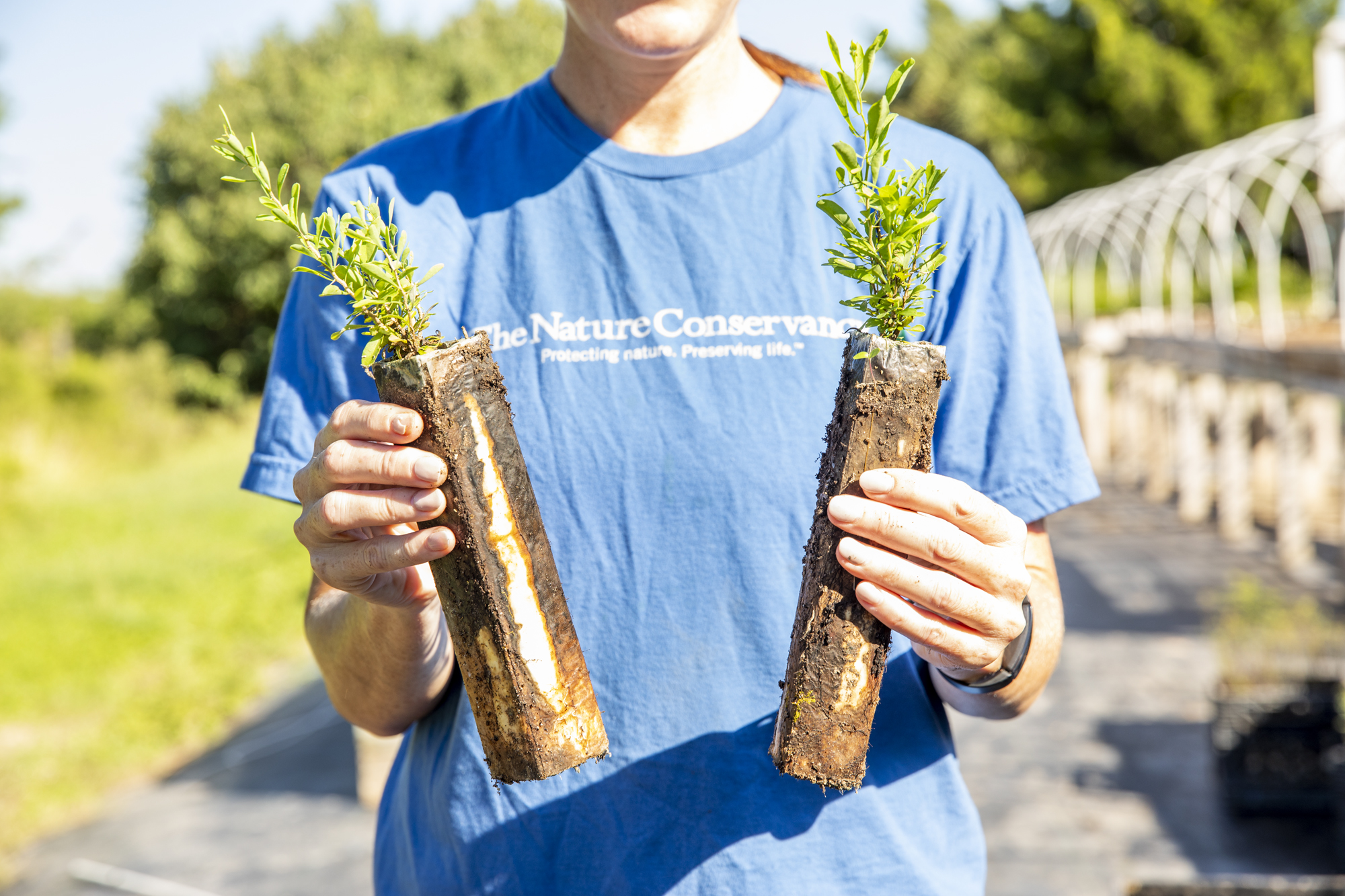
The property's former owner, Julia Jitkoff, used the tract for a variety of agricultural enterprises, including citrus production, row crop farming and a nursery palm operation. She also made a concerted effort to protect some of the property's unique natural areas. In 1999, The Nature Conservancy of Texas acquired the property from Ms. Jitkoff. The Conservancy continues to farm a portion of the land, as well as to actively restore native areas.
Site management is focused on ecological research, native brush and resaca restoration, and removal of exotic species. Community-based conservation and outreach also are priorities. The site has good potential for long-term research on the compatibility of agricultural activities within a protected conservation area.
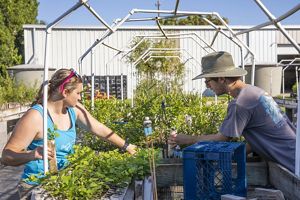
Occasional volunteer work days and public events are conducted at the site. Contact the preserve office concerning opportunities.
Visitation to preserve by appointment only, please. Please contact Max Pons for more information, (956) 546-0547; cell: (956) 459-6121; email: mpons@tnc.org.
Download Fact Sheet
Lower Rio Grande Valley (PDF)
The preserve is located in Cameron County, southeast of Brownsville on the Rio Grande.
Roving reporters Matt and Riley explore the Southmost Preserve. Watch their video diary!
See a video on the Southmost Preserve Threatened Treasures.
Visitation to preserve by appointment only, please. For more information, contact Max Pons at the Southmost Preserve Office, 10000 Southmost Road, Brownsville, TX, 78251, phone: (956) 546-0547, fax: (956) 546-0547, cell: (956) 459-6121; email: mpons@tnc.org.
From US Highway 83/77 south of Harlingen:
Take the FM 511 exit (just past Rancho Viejo and the big golf ball water tower) and go left under the overpass.
Stay on FM 511 (crossing FM 1847 and Highway 48, passing the Port of Brownsvillle and crossing Highway 4) until you come to FM 3068 at a stop sign.
Continue on FM 3068 until it ends at FM 1419. (At the flashing light, you'll see a small family cemetery.) Turn left onto FM 1419.
Turn at the second road on your right; look for a row of power lines and the sign "10000 Southmost Road." (Note: Do not take the road lined with palm trees.
Follow the gravel road over the levee to the big blue metal building.
Go to the right around the corner of the building to park in front of the office, which is in its southwest end. From Brownsville:
Take Boca Chica Boulevard east to FM 511.
Turn right on FM 511 continuing until you come to FM 3068 at stop sign.
Continue on FM 3068 until it ends at FM 1419. (At the flashing light, you'll see a small family cemetery,) Turn left onto FM 1419.
Turn at the second road on your right; look for a row of power lines and the sign "10000 Southmost Road." (Note: Do not take the road lined with palm trees.)
Follow the gravel road over the levee to the big blue metal building.
Go to the right around the corner of the building to park in front of the office, which is in its southwest end.
Have you been to this preserve? Are you thinking of visiting? See what others are saying about their experiences and add your comments below.
Time for you to join the discussion. Tell us about your experience at this preserve. What plants and animals did you see? When did you go? You can help others plan their visit when you share your thoughts. And thank you for visiting one of our nature preserves!
Whether scary or exciting, nature has a way of sneaking up on you. See stories
Hear some of nature's success stories and see how nature matters to us all. Watch videos