We're working with you to make a positive impact around the world in more than 30 countries, all 50 United States and your backyard. Support our work
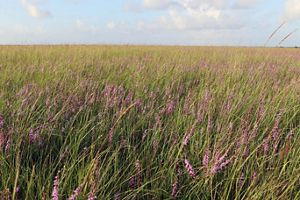
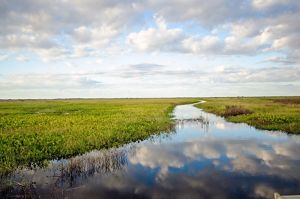
Clive Runnells Family Mad Island Marsh is part of an expansive coastal wetlands system which, 60 years ago, stretched nearly unbroken along the mid- and upper-Texas Gulf Coast. It lies at the terminus of the Central Flyway, one of four principal North American migratory bird routes. The preserve's upland prairies represents a portion of the remaining 2 percent of the original tallgrass coastal prairies once found across Texas.
The 7,063–acre preserve is home to marshy wetlands habitat dominated by a variety of aquatic and water tolerant species, including various cordgrasses, glassworts, rushes and cattails. The preserve's upland prairies display different grasses such as bluestem, plains bristlegrass and Texas wintergrass.
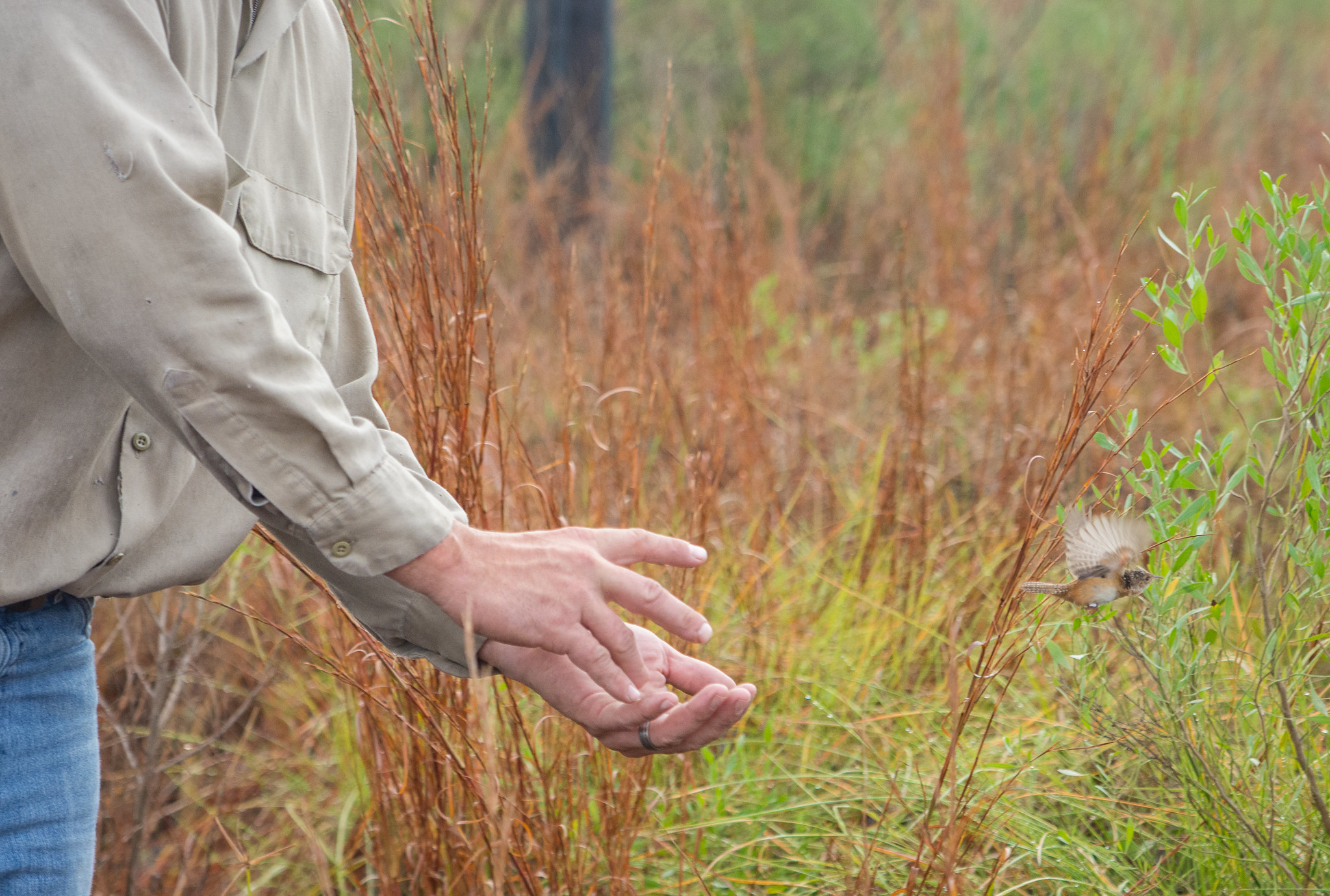
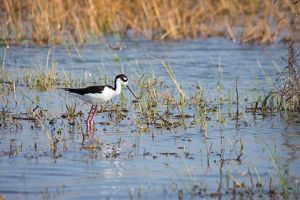
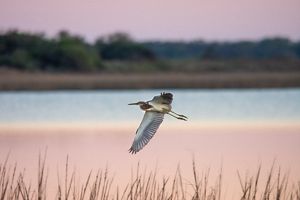
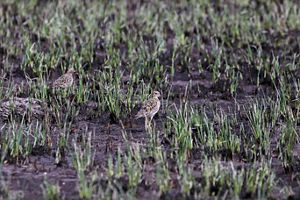
Nearly 250 species of birds—including migrating and resident songbirds, shorebirds, colonial nesting birds, and wading birds—use the area for feeding, resting and roosting. The preserve is especially important to waterfowl including 16 species of ducks and 4 species of geese. Sandhill cranes and various wading birds also inhabit the Mad Island Marsh Preserve at some point during the year. The annual Mad Island Christmas Bird Count has ranked in the top five national counts since its inception in 1993.
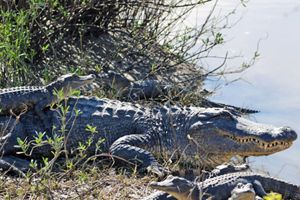
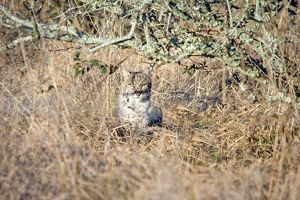
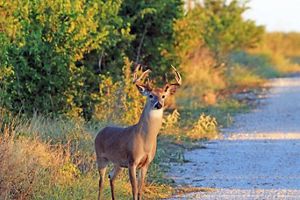
The marsh area provides habitat for many different marine organisms, such as red drum, blue crabs, brown shrimp, southern flounder and speckled trout. Mad Island Lake and its surrounding wetlands provide a critical nursery for a variety of marine life from adjacent Matagorda Bay. Other animals also found on the preserve include alligators, bobcats, armadillos, rattlesnakes, white-tailed deer and coyotes.

This area provides unique habitat for a diversity of wildlife, but its fragile ecosystem has degraded over the years. Through a unique land swap, The Nature Conservancy received 5,700 acres of wetlands and coastal prairies that it turned over to the Texas Parks and Wildlife Department which became the Mad Island Wildlife Management Area. Then in 1989, Clive Runnells donated 3,148 acres of coastal wetlands and upland prairies adjacent to Mad Island Marsh to The Nature Conservancy.
In 1993 the Conservancy acquired an additional 3,900 acres with more than $1 million from the North American Wetlands Conservation Council. The Nature Conservancy of Texas, National Fish and Wildlife Foundation, Dow Chemical, US EPA, Trull Foundation and Communities Foundation of Texas partnered to raise another $2.5 million for the project.
In 1990, The Nature Conservancy forged a partnership with Ducks Unlimited to restore the wetlands and tallgrass coastal prairies through four habitat management programs:
The Clive Runnells Family Mad Island Marsh Restoration Program increases freshwater inflows to enhance and recreate marsh habitat through water management, salinity monitoring and other measures. The Ricefield Enhancement Program improves the ricefields as feeding and roosting areas for waterfowl primarily through winter flooding. Over a 10-day period in 1990, Mad Island ricefields fed more than 200,000 waterfowl, the largest number of along the Texas Coast.
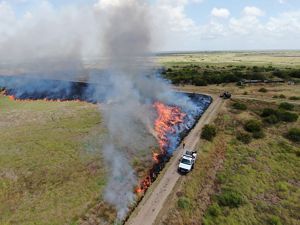
The Palustrine Marsh Enhancement Program restores key freshwater wetlands lost to past drainage projects. The Uplands Enhancement Program includes controlled grazing and burning to restore the coastal prairies on the preserve. This creates winter foraging areas for geese and sandhill cranes and nesting cover for game and nongame species in upland prairies. By the end of 2001, 650 acres of freshwater wetlands were either created or enhanced, and over 3,000 acres of coastal prairie have been restored using prescribed fire, exotic brush control, and sustainable cattle grazing. In addition, more than 2,522 acres of tidal wetlands and 1,200 acres of ricefield habitat have been enhanced.
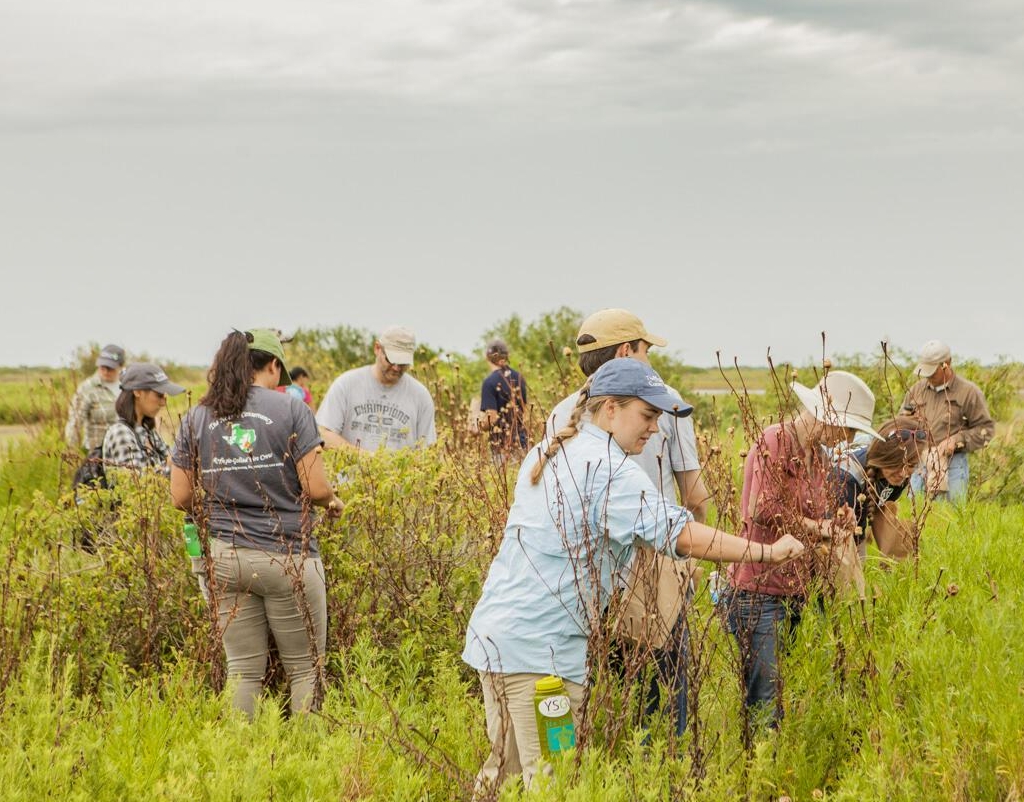
The preserve is located off F.M. 1095 in Matagorda County, southeast of Collegeport. Visitation is open only for volunteer workdays; an appointment is needed otherwise. For more information, contact Julie Sullivan, Preserve Manager of the Clive Runnells Family Mad Island Marsh Preserve, P.O. Box 163, Collegeport, TX, 77428-0163, phone: (361) 972-2559, mobile: (409) 356-3163, fax: (361) 972-6426.
To learn about educational and visitation opportunities at the preserve, please see our Field Trips and Events section.
Download Fact Sheet
Gulf Coast Prairies and Marshes Ecoregion (PDF)
The preserve is located in Matagorda County, on West Matagorda Bay.
Watch our roving reporters Matt and Riley's video diary of their trip to the Clive Runnells Family Mad Island Preserve.
Oyster Reef Restoration: The American Southeast
Have you been to this preserve? Are you thinking of visiting? See what others are saying about their experiences and add your comments below.
Time for you to join the discussion. Tell us about your experience at this preserve. What plants and animals did you see? When did you go? You can help others plan their visit when you share your thoughts. And thank you for visiting one of our nature preserves!
* Required Fields
We need to act now, before it's too late. Watch the Video, Take Action
We're addressing Latin America's most pressing conservation issues. Read the Story