We're working with you to make a positive impact around the world in more than 35 countries, all 50 United States and your backyard. Support our work
Yes
Canoeing, Fishing, Swimming, Hiking View All
Bring your canoe or kayak, or rent one from local outfitters. View All
Why the Conservancy Selected This Site
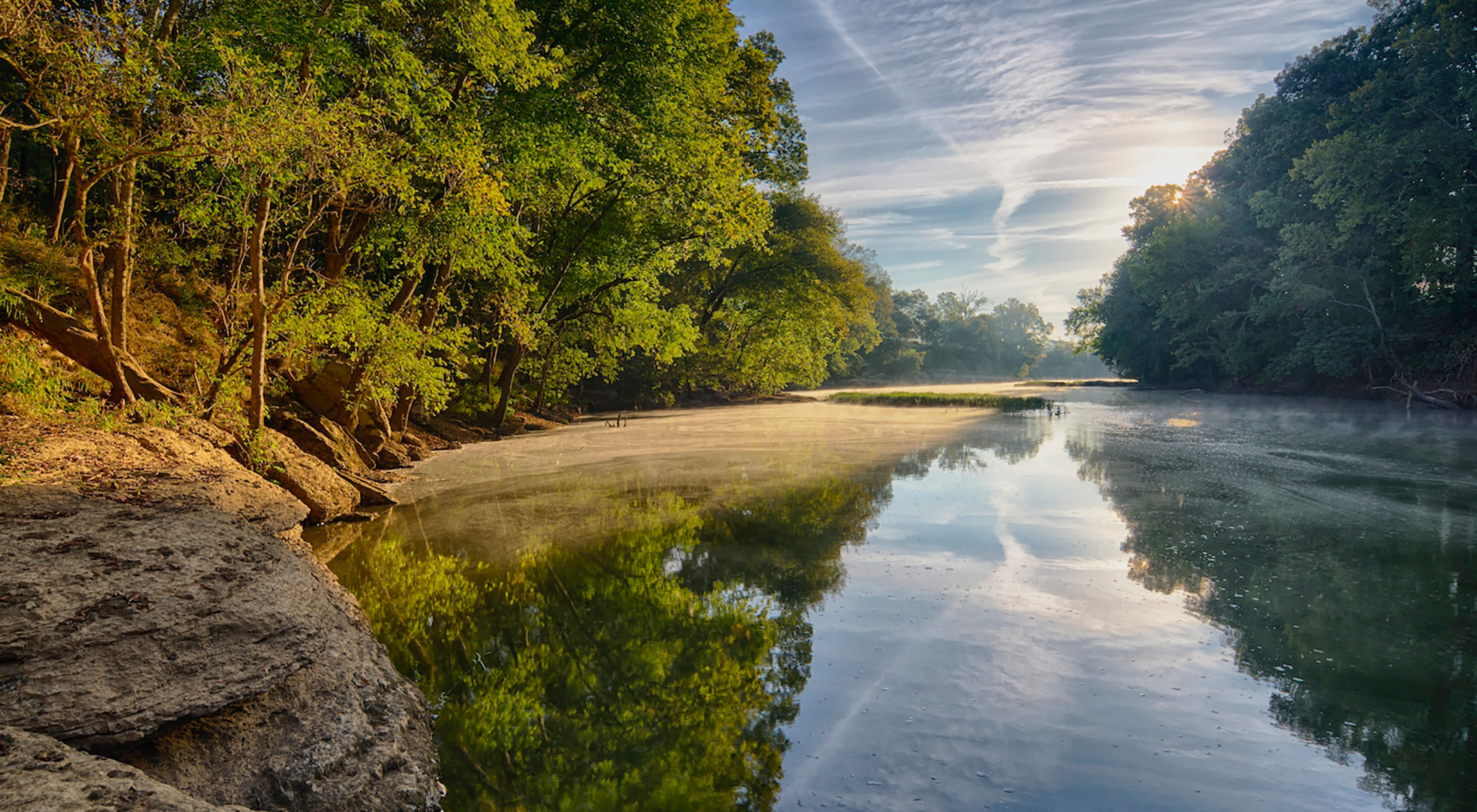
Winding 269 miles through Middle Tennessee, the Duck River is one of the state's most scenic waterways. But there's more here than meets the eye. Underneath the surface, the river teems with an almost unsurpassed variety of freshwater animal life. According to the U.S. Geological Survey, the Duck River is one of three hot spots for fish and mussel diversity in the entire world. It is generally considered to be the richest river in varieties of freshwater animals on the North American continent. A feature article in the February 2010 issue of National Geographic emphasized this point.
Just as significant, the Duck River is the sole water source for 250,000 people in Middle Tennessee. It's the water source, for instance, for GM's Spring Hill Manufacturing plant. The water quality of the Duck River is crucial for animals, for people, and for the local economy alike.
Threats
Like most rivers in areas that are becoming more developed, the Duck faces a variety of threats. The most immediate stresses have to do with water quality. Increases in storm-water runoff, sewage treatment outflows and chemical and nutrient loading from farmland can all have significant and negative impacts on freshwater creatures. In addition, as more and more lands are converted to residential, commercial, and industrial uses — changes in water flows, including more frequent flooding — will diminish the river’s ability to support a wide diversity of aquatic life.
Because the Duck River is a key water source for people in the region, its water quality is an important issue for a number of communities and provides a basis of mutual interest for developing long-term conservation strategies.
Animals
The Duck River is North America's richest river in variety of freshwater animal species, containing more species of fish than are found in all the rivers of Europe combined and more fish varieties per mile than any other river in North America. Overall the Duck supports a remarkable diversity of freshwater animals in its waters, including 151 species of fish, 55 freshwater mussel species, and 22 species of aquatic snails.
Among the rare species living in the Duck River are mussels such as the birdwing pearlymussel and the Tennessee clubshell, and fish such as the barrens topminnow and the pygmy madtom. In addition, the river harbors a number of larger mammals, reptiles, and birds, including river otters, beavers, mink, hawks, osprey, and herons.Freshwater mussels have disappeared across much of the United States. But the Duck River is one of a handful of rivers in Tennessee where they have survived and are still thriving. Because mussels are sensitive to pollution, their presence is a reliable indicator of water quality – for humans.
What the Conservancy Has Done/Is Doing
Since 1999, The Nature Conservancy's Duck River office has been based in Columbia, Tennessee, working with local communities, businesses, and government agencies on long-term protection of the river's water quality and ecological integrity.
The explosive urban growth occuring in the upper Duck River watershed – combined with the river's extraordinary biological richness – elevates the importance of protecting this Middle Tennessee resource, and it compels The Nature Conservancy to implement a variety of cutting-edge strategies. For example:
In addition to being a great river for paddling, the Duck River is also a great river for fishing, smallmouth bass especially. If you'd rather not paddle or fish, you can stroll right down to the river in Columbia, if you prefer. One good spot is Pillow Park/Riverwalk Park, accessible by West 5th Street, which becomes Riverside Drive.
Get out on the river with a canoe or kayak rented from River Rat Canoe Rental (931-381-2278) or Yanahli Kayak & Canoe Co. (931-215-4891), both in Columbia, TN. It's the best way to see the wildlife—from bass and gar to herons, turtles and otters.
From Nashville to Columbia, TN:
To walk down to the river, go to Pillow Park, which is 1/3 of a mile northeast:
Another great spot on the Duck River is Henry Horton State Park, where you can fish, swim and hike.
Have you been to this preserve? Are you thinking of visiting? See what others are saying about their experiences and add your comments below.
Time for you to join the discussion. Tell us about your experience at this preserve. What plants and animals did you see? When did you go? You can help others plan their visit when you share your thoughts. And thank you for visiting one of our nature preserves!
Whether scary or exciting, nature has a way of sneaking up on you. See stories
Hear some of nature's success stories and see how nature matters to us all. Watch videos