
We're working with you to make a positive impact around the world in more than 35 countries, all 50 United States and your backyard. Support our work
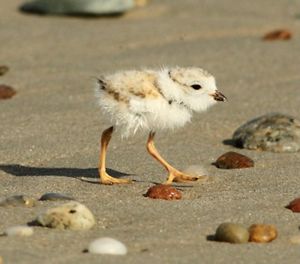
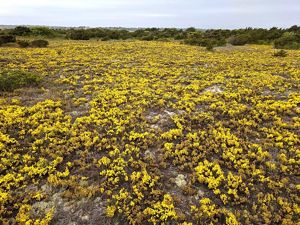
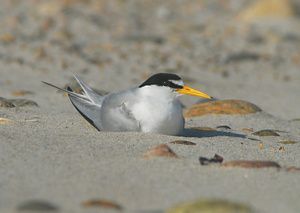
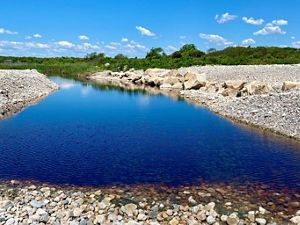
The Goosewing Beach Preserve is a magnificent system of pristine coastal pond, beach and dune environments. This is one of Rhode Island's most scenic spots and a favorite among visitors. Purchased in 1989 by The Nature Conservancy and partners, the 75 acre Goosewing Beach Preserve is an historic landmark. Conservancy staff have been actively managing breeding populations of globally-rare Piping Plover and state-threatened Least Tern for the last two decades. With the help of an extremely generous donor, The Nature Conservancy of Rhode Island opened the doors of a newly constructed environmental education center in June of 2010. The Benjamin Family Environmental Center is ideally situated to offer visitors a view of the many types of habitats that make up this coastal pond/barrier beach ecosystem and offers seasonal nature walks and special events. Check for current listings at Field Trips & Events.
Little Compton, in southeastern Rhode Island
75 acres
During the summer months, the Town of Little Compton manages recreational use of the beach through an agreement with The Nature Conservancy. Access to the preserve is through South Shore Beach. There is a fee at the town beach parking area during the summer months only. For the 2012 season the parking fee is $12/day on weekdays and $15/day on the weekends. The fee is charged from 8:00am until 4:00pm daily and from, approximately, Memorial Day until Labor Day. Please leave your pets at home, and do not enter fenced areas marked off by enclosures. No dogs are allowed on the preserve from April 1st until September1st.
Why the Conservancy Selected this Site
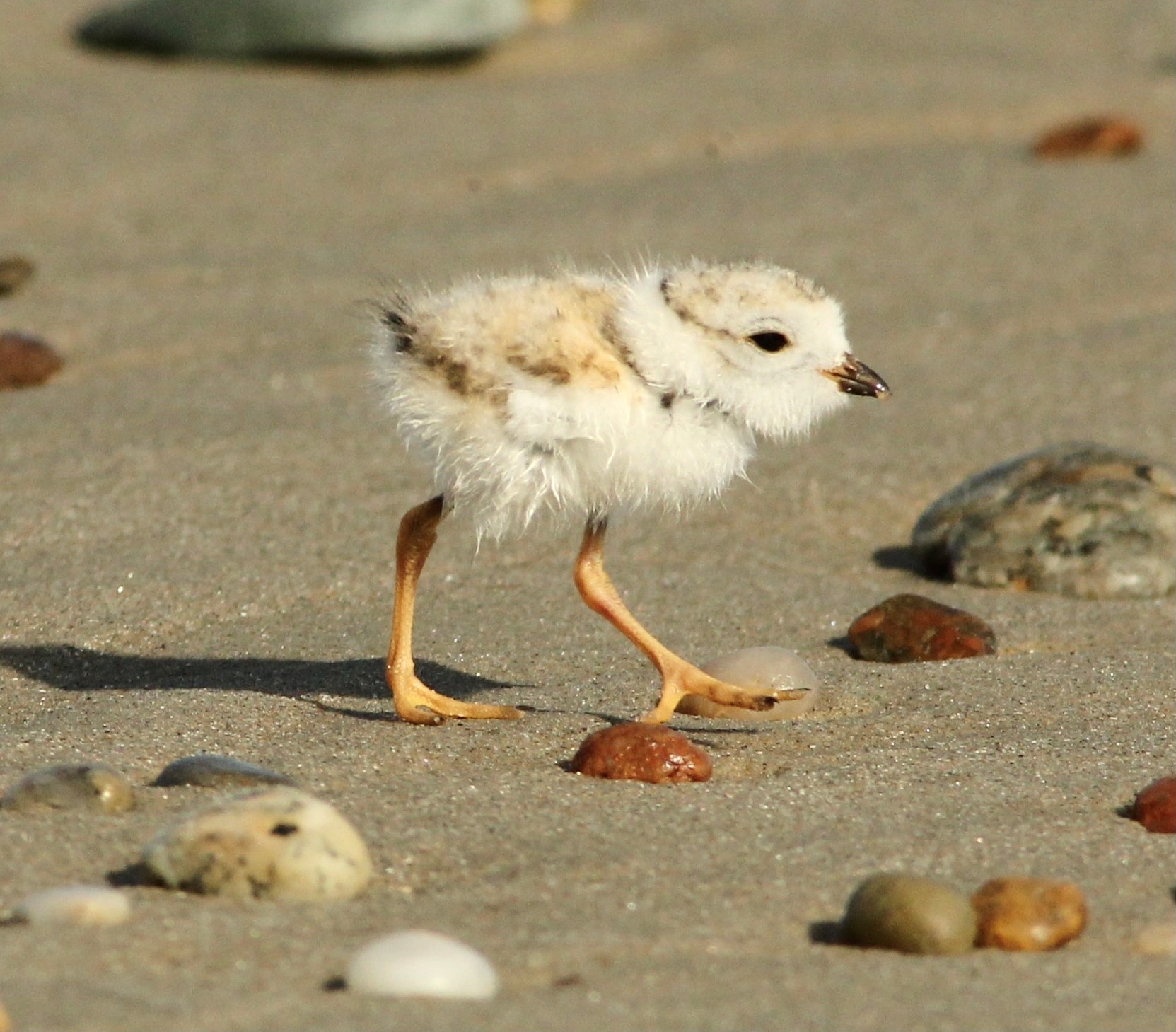
Working with the Little Compton Agricultural Conservancy Trust and the RI Department of Environmental Management, the Conservancy bought Goosewing Beach in 1989 is managed by the Conservancy for endangered shorebirds. It is one of only five known breeding sites in Rhode Island for the globally rare piping plover. In addition, this area provides excellent breeding habitat for the least tern, which is a state-threatened species. The piping plover and the least tern were hunted almost to the point of extinction in the early 1900s. Along the Atlantic Coast, their populations were further impacted by increased ocean front development, dune stabilization and beach improvement projects, increased recreational use, and predation by dogs, skunks, raccoons, mink and gulls.
The Nature Conservancy hires a Plover Warden and a Goosewing Beach Preserve Manager during nesting season (mid-April to early-September) to monitor and protect the species and to help educate beach-goers about the sensitive wildlife that inhabit the area.
We hope you enjoy visiting our preserves in any season. We ask that you please observe the following guidelines:
Thank you for your help.
Preserve Visitation Guidelines
Have you been to this preserve? Are you thinking of visiting? See what others are saying about their experiences and add your comments below.
Time for you to join the discussion. Tell us about your experience at this preserve. What plants and animals did you see? When did you go? You can help others plan their visit when you share your thoughts. And thank you for visiting one of our nature preserves!
Whether scary or exciting, nature has a way of sneaking up on you. See stories
Hear some of nature's success stories and see how nature matters to us all. Watch videos