



Description
Why You Should Visit
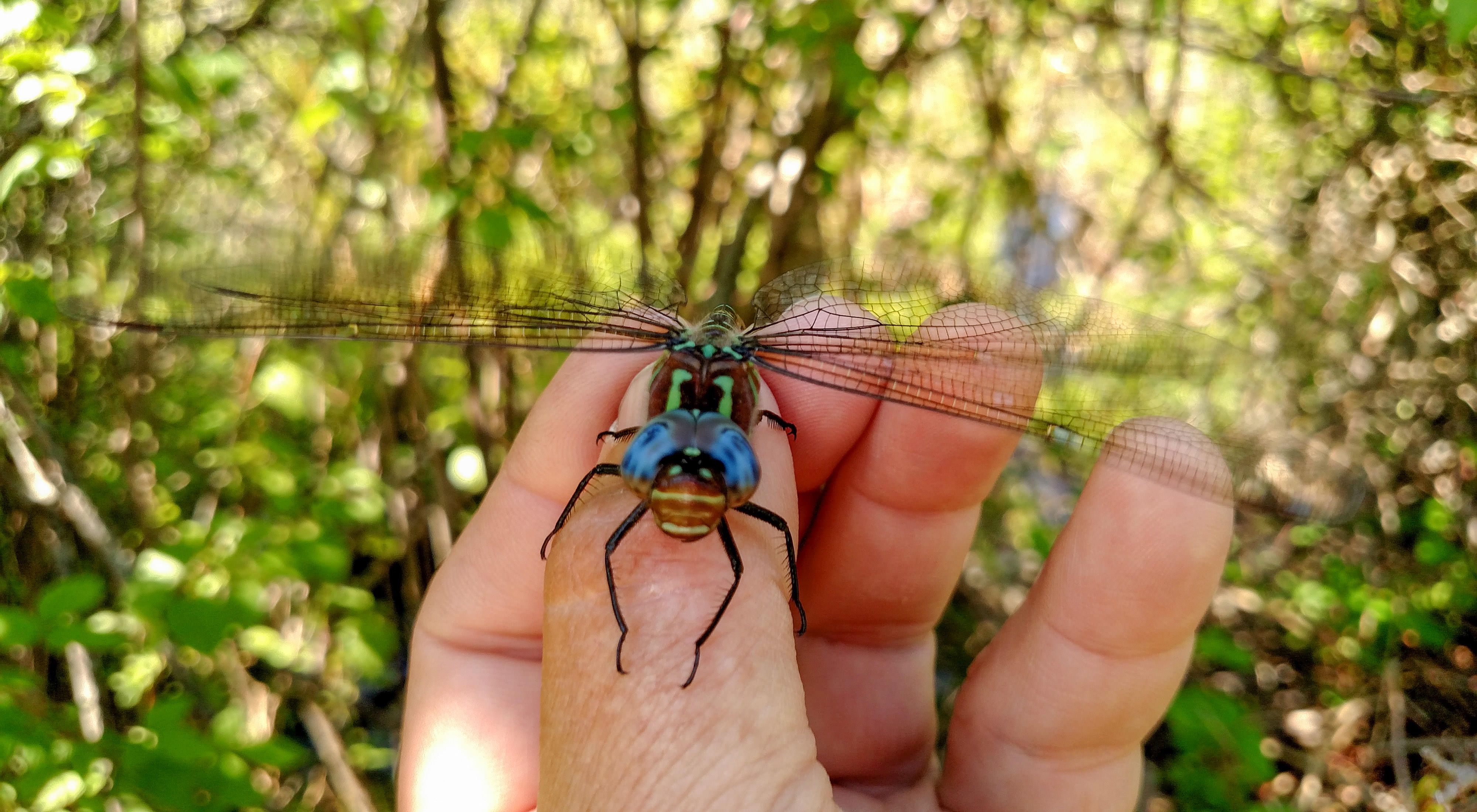
The ponds, wetlands, and wooded uplands provide habitat for a number of unusual dragonfly and damselfly species, including the rare Ringed Boghaunter. A short loop trail passes a small woodland pool, goes through black oak-white pine forest, and then rises up to a high point amid rocky outcrops and dense shrubbery.
Access to the Pond itself and its wetlands is restricted due to the sensitivity of the animals, plants and natural communities.
Grass Pond Preserve is open to hunting, under rules written by the RI Department of Environmental Management. Hikers are required to wear fluorescent orange during the hunting season. Please consult the RIDEM Hunting Abstract for current hunting regulations.
Dogs must be leashed.
Why TNC Selected this Site
Grass Pond Preserve provides habitat for globally declining and state endangered plant and insect species. It also links together two large protected natural areas: the State of Rhode Island's 2,300 acre Carolina Management Area and the 1,800-acre de Coppet Estate.
What TNC Has Done/Is Doing
In 1986, Grass Pond was identified by the Rhode Island Natural Heritage Program as one of Rhode Island's top ten unprotected natural areas. By 1996, The Nature Conservancy, with support from the Champlin Foundations and private donors, preserved uplands and wetlands at the site. Today, one of the Conservancy’s goals is to continue to expand the size of the existing preserve. In 2012, another 250 acres to the east were added to the preserve, protected by a conservation easement held by The Nature Conservancy and the RI Department of Environmental Management acquiring ownership of the new parcel. The Nature Conservancy has expanded the trail system to include a loop trail blazed in blue on this parcel.