

We're working with you to make a positive impact around the world in more than 35 countries, all 50 United States and your backyard. Support our work
Yes
Come take a stroll through the preserve and spot some of our unique plants and animals. View All
Follow our preserve guidelines and your visit will be pleasurable. View All
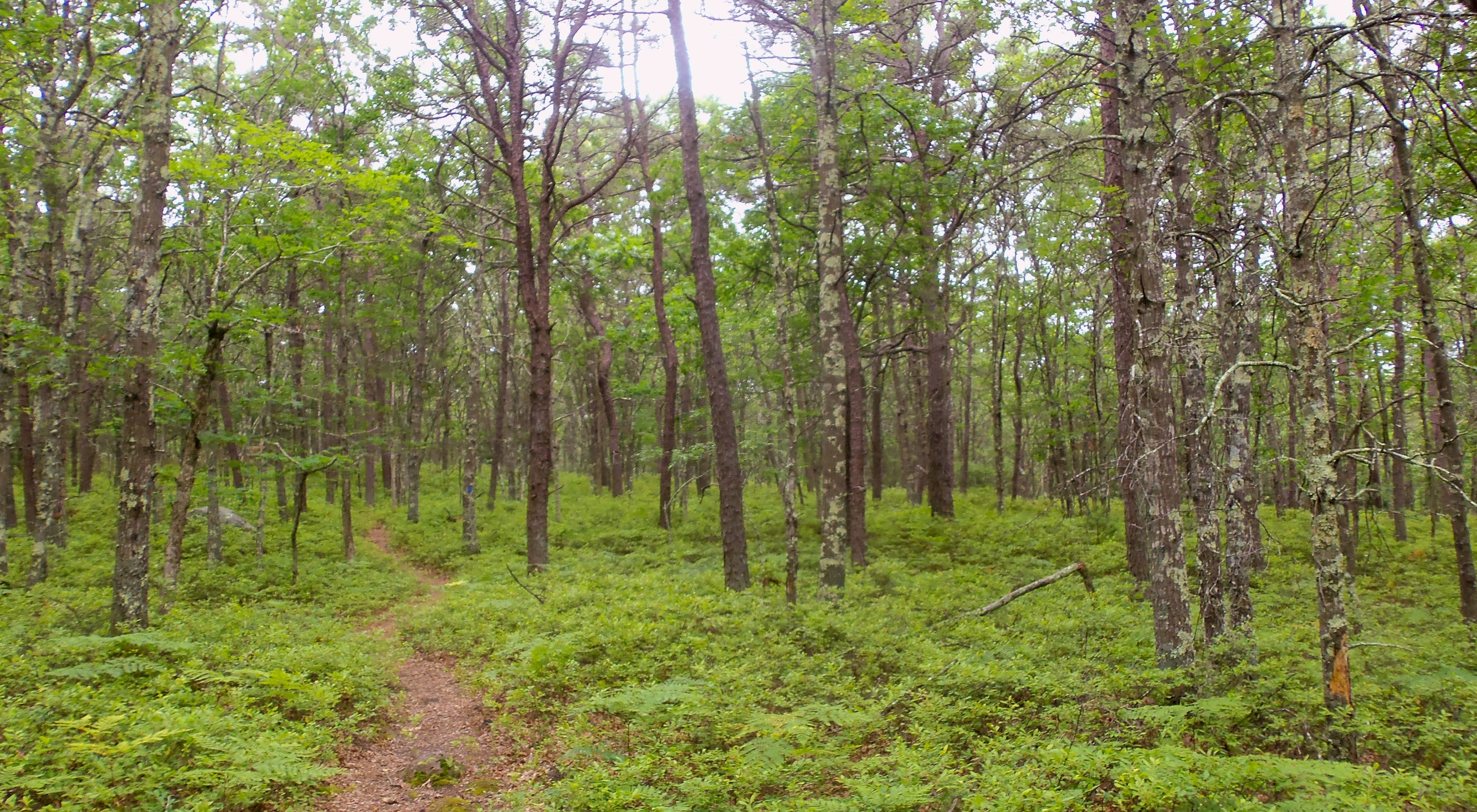
This is the Rhode Island Chapter's second largest nature preserve. Straddling the rocky uplands of the Charlestown moraine and the sandy floodplain of the Pawcatuck River, the property supports a variety of natural communities, most notably rare pitch pine/scrub oak barrens, vernal pools, and a 35 acre grassland.
Charlestown, in southwestern Rhode Island
841 acres
Map of Francis C. Carter Preserve
The Carter Preserve has its own volunteer group called the “Friends of the Carter Preserve”. These volunteers are valuable in helping to keep the preserve enjoyable for future generations. Volunteers assist with ongoing stewardship projects including trail maintenance, preserve monitoring, litter cleanups, and treatment of invasive plants. They play a vital role in the stewardship of the Carter Preserve, for the benefit of wildlife and visitors, alike. If you would like to become a Friend of the Carter Preserve, please contact Tim Mooney at tmooney@tnc.org or (401) 529-1072. We thank our current volunteers for their efforts!
This preserve is one of the largest protected properties in the state. It joins several thousand acres of contiguous forest and contributes to an 11-mile corridor of open space running from the Ninigret National Wildlife Refuge to the state's Carolina Management Area.
The Conservancy purchased the property with major contributions from The Champlin Foundations, a longtime supporter of the Conservancy's conservation work in Rhode Island, the Cove Point Foundation, and the Doris Duke Charitable Foundation. The preserve is dedicated to Francis ("Frank") C. Carter, who led the Champlin Foundations for many years.
Trailhead kiosks greet visitors with an introduction to the preserve and its natural features. There, visitors can pick up a trail map, a self guided hike, and a bird checklist. Visitors have a choice of hiking the wide Narragansett trail that leads to the grassland or hike on the narrower woodland trails that meander through the heart of the property.
In addition, the preserve is open to horseback riding on specified trails. The parking area at the Old Mill Road entrance is large enough to accommodate horse trailers, and there is a manual water pump to provide water for horses.
Self-Guided Preserve Tour Brochure
What to See: Plants
The grassland provides a nesting area for state-threatened grasshopper sparrows and the adjacent pine barrens support the globally rare barrens buck moth. The uplands feature black oak, scarlet oak, white oak, pitch pine, black huckleberry, and lowbush blueberry.
What to See: Animals
Birds such as the eastern towhee, scarlet tanager, and prairie warbler live here during the summer, as do several rare moth species. Vernal pools and wetlands within the forest support a diversity of frogs, salamanders, dragonflies and damselflies.
We hope you enjoy visiting our preserves in any season. We ask that you please observe the following guidelines:
Thank you for your help.
Preserve Visitation Guidelines
To the Route 112 entrance:
To the Old Mill Road entrance:
Have you been to this preserve? Are you thinking of visiting? See what others are saying about their experiences and add your comments below.
Time for you to join the discussion. Tell us about your experience at this preserve. What plants and animals did you see? When did you go? You can help others plan their visit when you share your thoughts. And thank you for visiting one of our nature preserves!
Whether scary or exciting, nature has a way of sneaking up on you. See stories
Hear some of nature's success stories and see how nature matters to us all. Watch videos