

We're working with you to make a positive impact around the world in more than 35 countries, all 50 United States and your backyard. Support our work
Yes
Come see the variety of plants and animals at the Fogland Marsh Preserve. View All
Follow our preserve guidelines and your visit will be pleasurable. View All
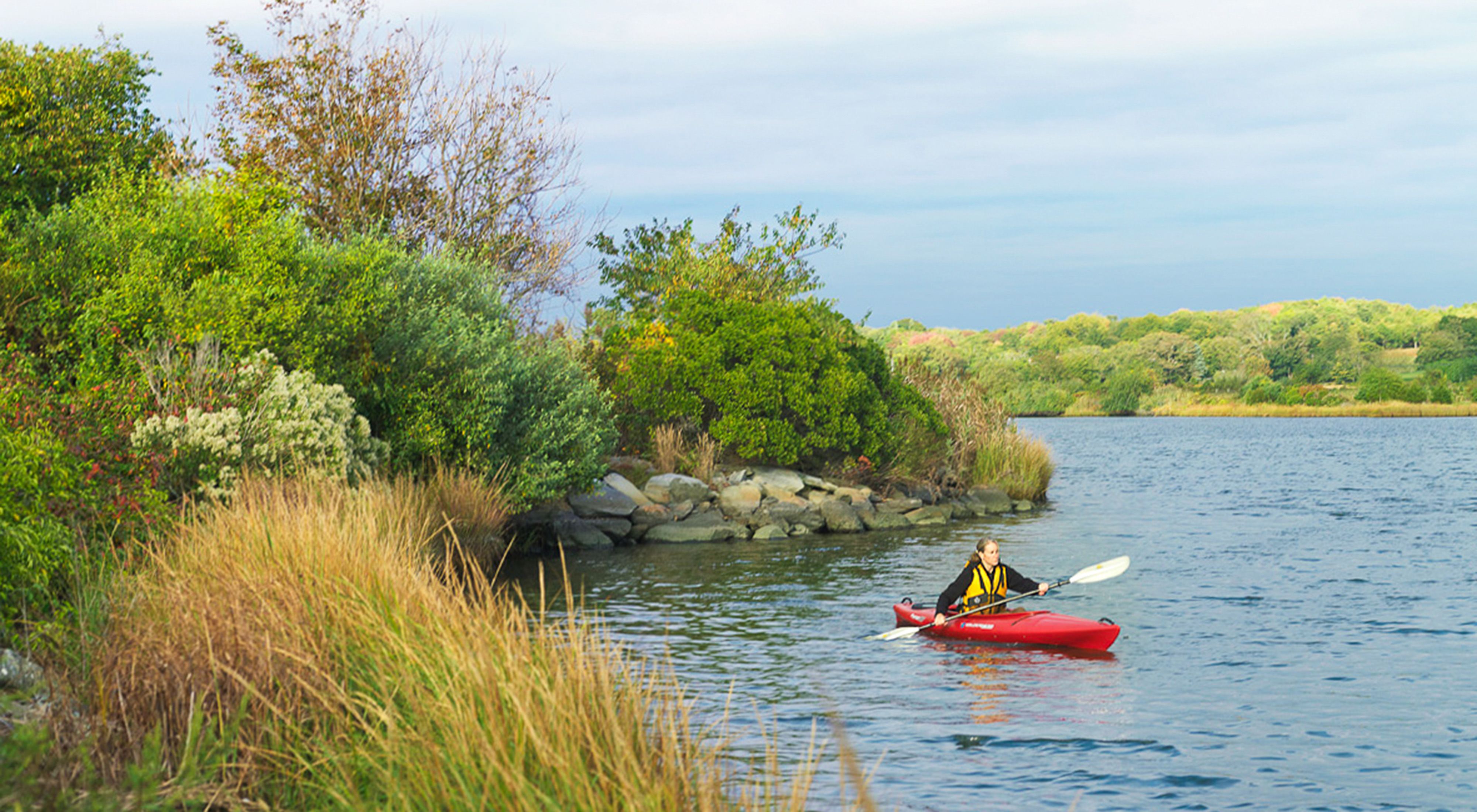
Salt water flows into this beautiful tidal estuary, a place where the ocean water mixes with fresh water, creating a habitat for a great wealth of life, from algae to marsh birds. Nonquit Pond and the tides of the Sakonnet River course through the property and perpetuate the water cycles. Unlike other area marshes, Fogland remains primarily in its natural state because it was not drained for mosquito control.
Tiverton, in southeastern Rhode Island
50 acres
Fogland Marsh complements the salt marshes at the State's Seapowet Marsh Wildlife Preserve and the Audubon Society of Rhode Island's Ruecker Wildlife Refuge, both a few miles to the north. Parts of the marsh are owned by The Nature Conservancy and the Rhode Island Division of Fish and Wildlife.
The Conservancy was given 45 acres of the marsh and 3 acres of upland in 1967 by Earl Blough and Frani Muser, and in 1993 Elsie Carreiro donated a 2-acre parcel. In 1991, Hurricane Bob altered the landscape of the beach considerably, and its high storm tides floated two cottages into the marsh. The Conservancy removed one structure by burning it down with help from the Tiverton Fire Department.
There are no actual trails through Fogland Marsh, but you can walk along the beach for a quarter of a mile. If you venture deeper into the marsh, wear old shoes, and please step delicately. For your own safety, consult the daily tidal chart before venturing too far out into the salt marsh.
What to See: Plants
The ebb and flow of salt water creates a delicate salinity balance upon which the salt marsh's entire ecosystem depends. Frequency and duration of tidal flooding regulates vegetation. Salt-tolerant plants such as salt marsh hay and sea lavender (no collecting please) grow in the low areas; while shrubs such as marsh elder grade into the upland borders. Seaside goldenrod, beach pea, sea lavender and dune grass find their home on the narrow dune.
What to See: Animals
We hope you enjoy visiting our preserves in any season. We ask that you please observe the following guidelines:
Thank you for your help.
Preserve Visitation Guidelines
Have you been to this preserve? Are you thinking of visiting? See what others are saying about their experiences and add your comments below.
Time for you to join the discussion. Tell us about your experience at this preserve. What plants and animals did you see? When did you go? You can help others plan their visit when you share your thoughts. And thank you for visiting one of our nature preserves!
Whether scary or exciting, nature has a way of sneaking up on you. See stories
Hear some of nature's success stories and see how nature matters to us all. Watch videos