



Description
Effective April 1, 2021, this preserve is open to the public. Please observe social distancing guidelines, follow all posted site usage/visitation guidance and wear a mask whenever encountering other guests. This property is privately owned and managed in order to protect the sensitive species that call it home. Use of unmanned aerial vehicles (UAVs or “drones”) is prohibited on or over the preserve.
We appreciate your help in protecting the landscape and respecting all those who enjoy it.
What Makes Willow Creek Special
Protected as part of a local partnership that balances development with conservation, Willow Creek's native grasslands, ash woodlands and perennial streams provide the best remaining example of native wet prairie habitats in the southern Willamette Valley.
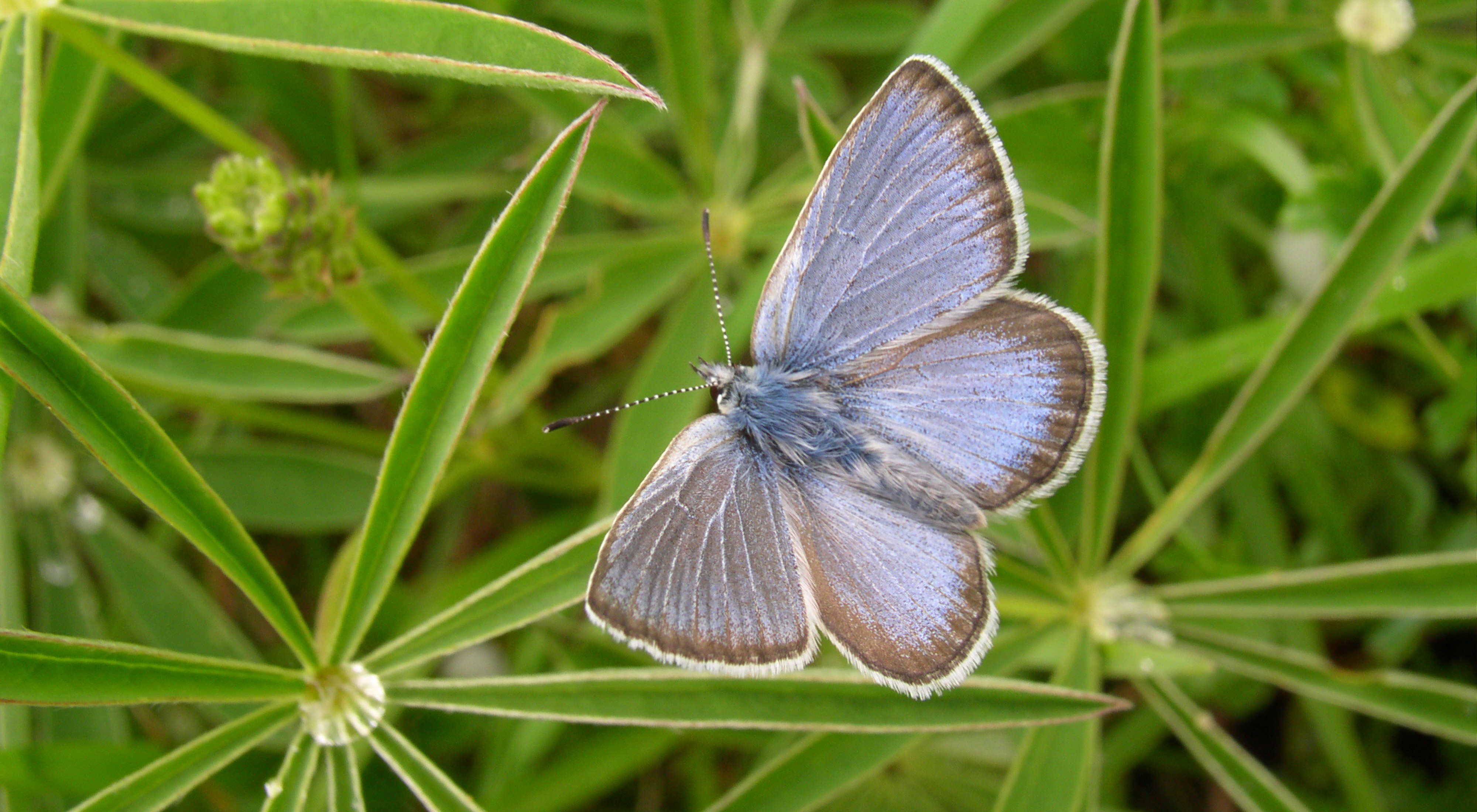
More than 200 native plant, 100 bird and 25 butterfly species have been recorded on the preserve.
Why TNC Selected This Site
The Nature Conservancy has protected and managed portions of Willow Creek under lease agreements with private landowners since 1981. Willow Creek is part of the West Eugene Wetlands, an area protected through a unique partnership between local, state and federal agencies, the local community and The Nature Conservancy.
What TNC Has Done/Is Doing
In the 1990s, TNC began purchasing additional Willow Creek properties and received gifts of property. In 1995, the Bonneville Power Administration purchased a conservation easement over the property as part of the agency's wildlife habitat mitigation program.
Prescribed fire was reintroduced to Willow Creek in 1986, with assistance from the Oregon Department of Forestry. Periodic burning has reduced the encroachment of trees and shrubs into prairie habitats. It also benefits native prairie plants adapted to periodic fire, such as Bradshaw's lomatium, which has increased by 50% in burned areas.
Teams of volunteers regularly help control invasive, non-native species, including Scots broom and Himalayan blackberry. Ecologists are monitoring water quality and conducting research on native reptiles, amphibians, butterflies, native plants and other elements of Willamette Valley prairie ecology.
