


Description
This preserve is open to the public. Please be aware that trails are narrow. In consideration of all preserve visitors, we ask you to be considerate and practice physical distancing and wear a face covering if you come into close contact with any other visitors.
This property is privately-owned and managed in order to protect the sensitive species that call it home. For this reason, we ask that you stay on marked trails and leave your dog at home. Use of unmanned aerial vehicles (UAVs or “drones”) is prohibited on or over the preserve. We appreciate your help in protecting the landscape and respecting all those who enjoy it.
What Makes Tom McCall Preserve Special
The Tom McCall Preserve is open from March 1 to October 31 due to the high risk of erosion and ground disturbance in the wetter months.
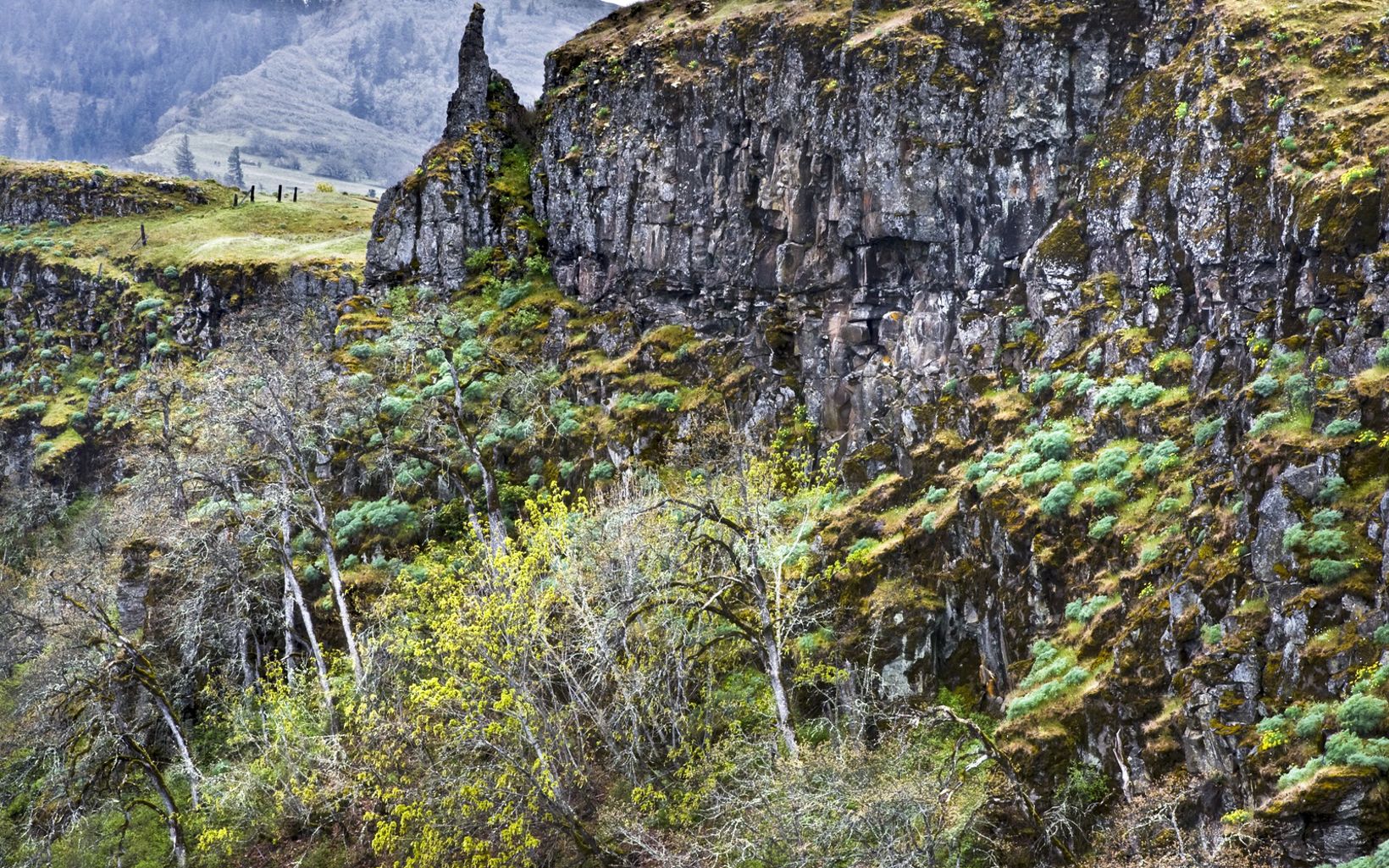
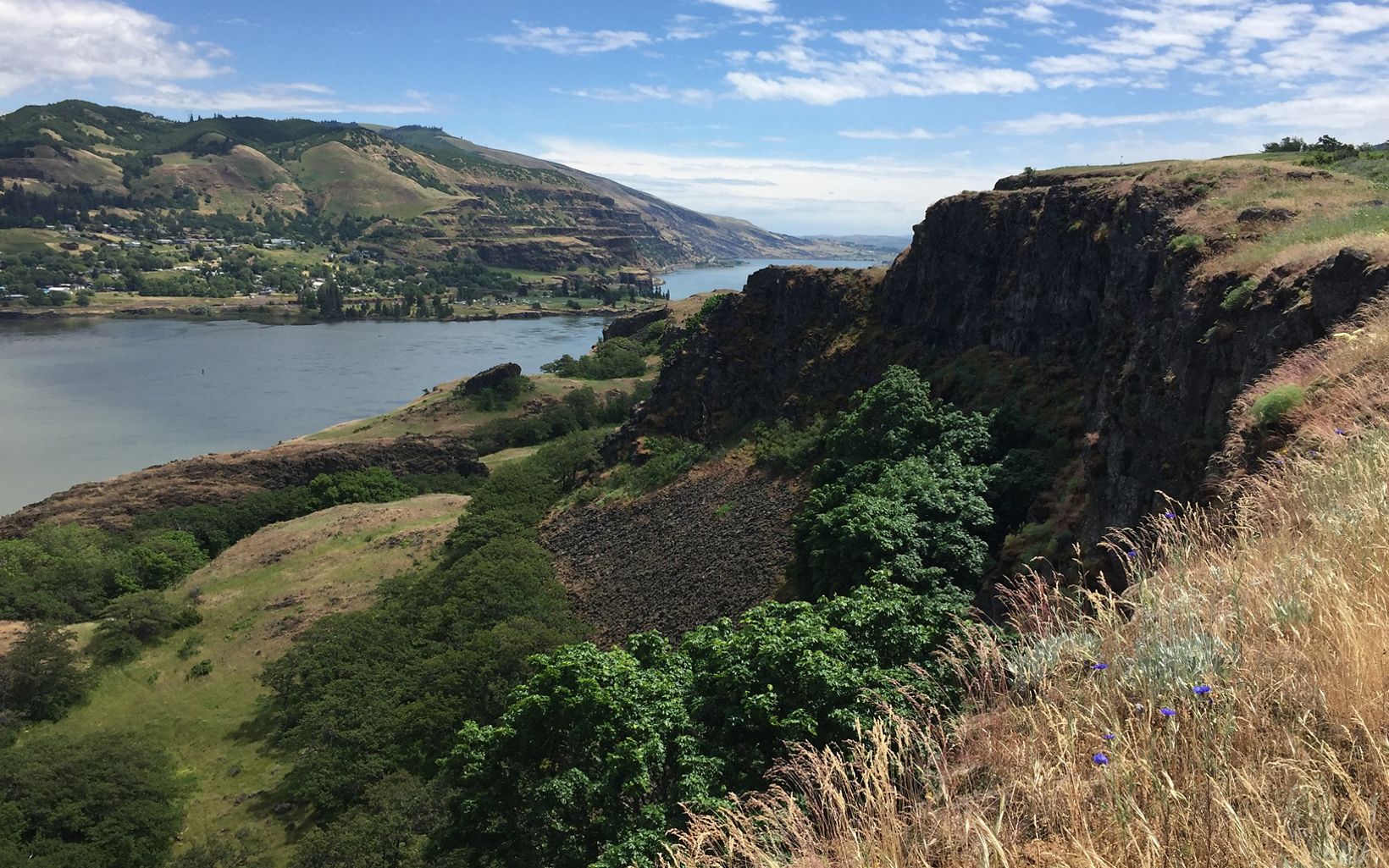
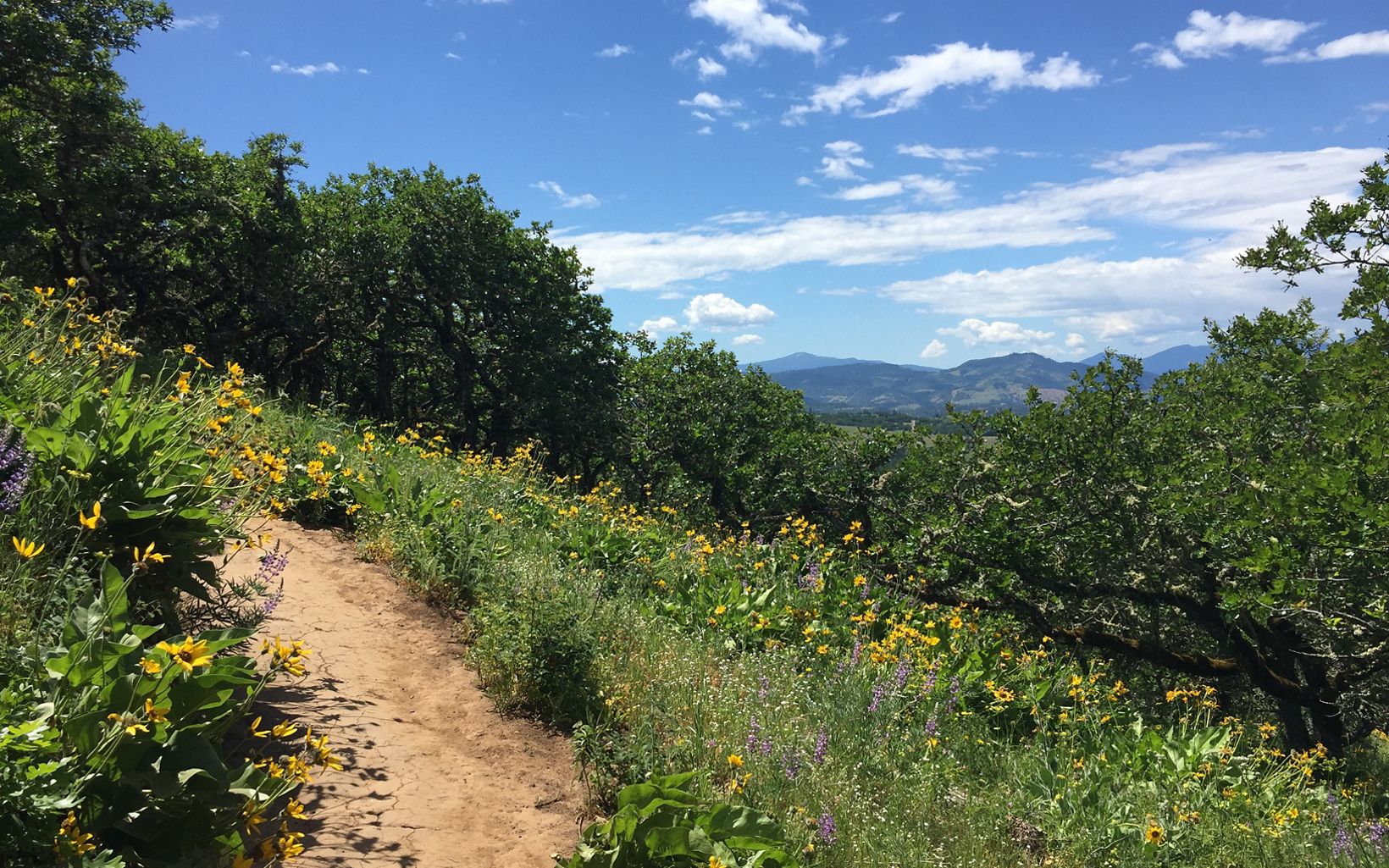
Located in the transition zone between the moist, heavily-forested west side of the Cascades and the drier bunch grass prairies of the east, Tom McCall Preserve comes into spectacular bloom every spring.
Lava flows, catastrophic floods and volcanic ash deposits shaped a mound-and-swale topography that perplexes the experts. Earthquake sorting, freezing and thawing, erosion, soil accumulations by plants and wildlife burrowing activities have all been suggested as having caused the mounds.
What TNC Has Done/Is Doing
The preserve is named for Oregon's late governor, Thomas Lawson McCall, whose commitment to conservation in Oregon remains an inspiration. A patchwork of ownership includes the Conservancy, Mayer State Park and national forest lands. The preserve is managed in cooperation with these agencies.
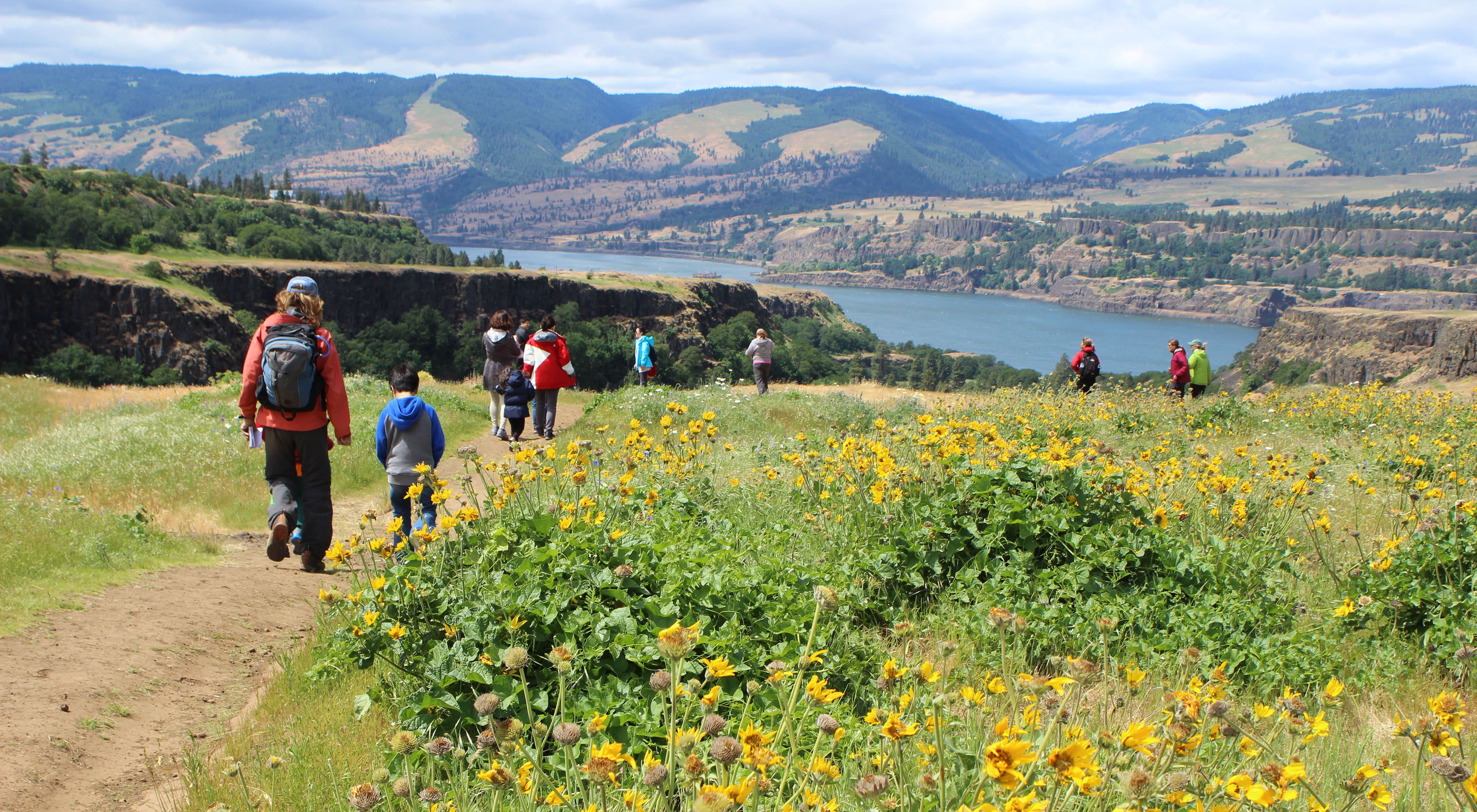
The rare plant populations are monitored by ecologists, and in spring and summer, volunteer docents lead interpretive hikes. Stewards and volunteers manage the weeds and maintain the trails throughout the year.
With assistance from the Portland Garden Club, Berry Botanic Garden, Native Plant Society of Oregon and others, the Conservancy also created a native plant garden in the turnaround at the viewpoint.