
Oklahoma

J.T. Nickel Family Nature and Wildlife Preserve

The Nickel Family Preserve comprises 17,000 acres of exceptional beauty and environmental value.

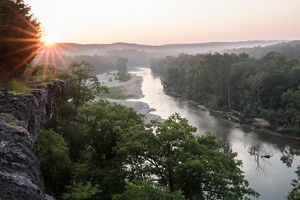
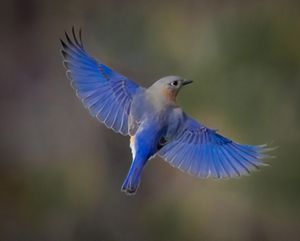
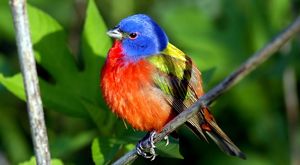
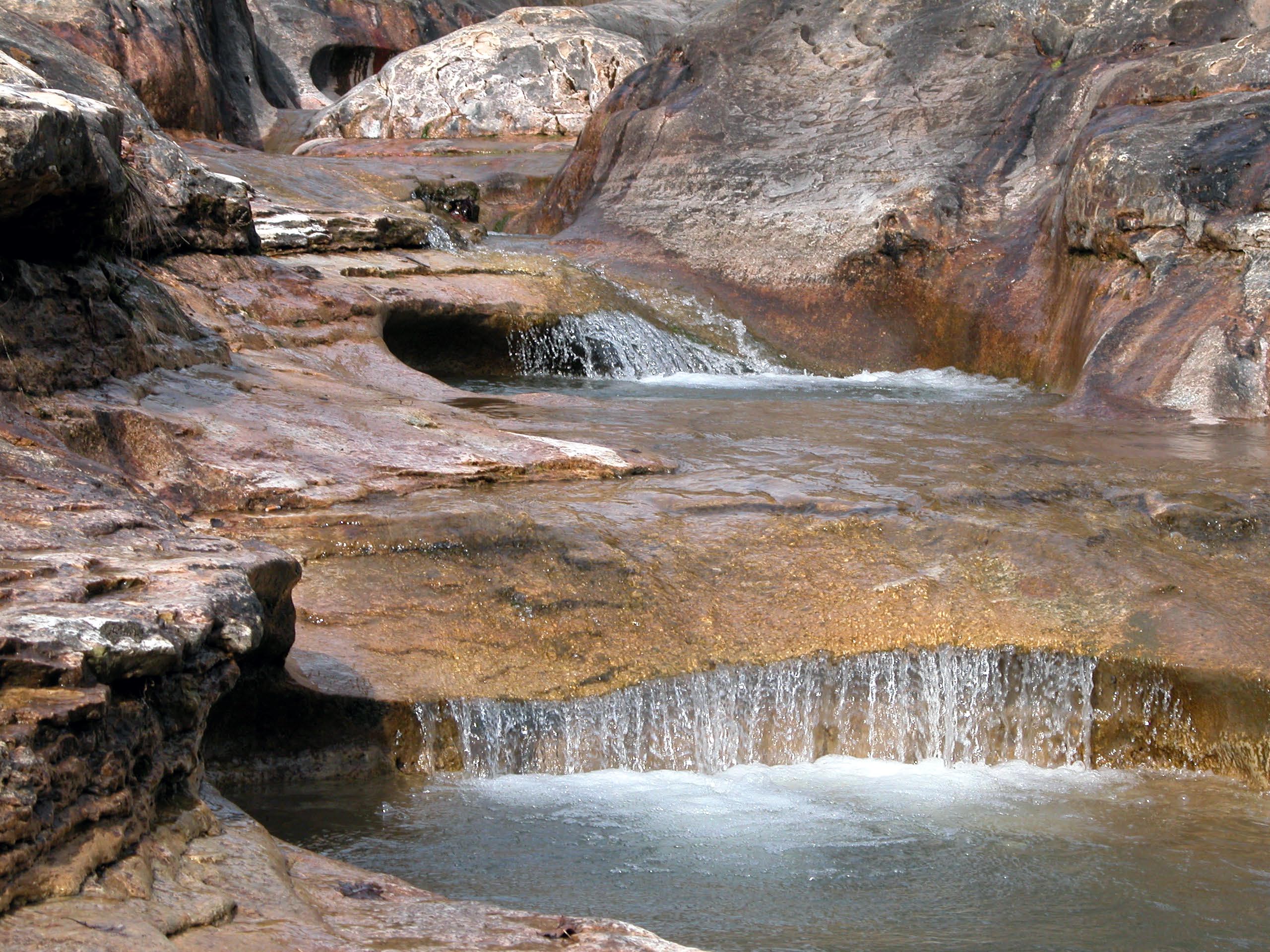
The J. T. Nickel Family Nature and Wildlife Preserve is the largest privately protected conservation area in the Ozarks. The preserve was formed in 2000 as the result of a land gift from the John Nickel Family. This 17,000-acre landscape rests in eastern Oklahoma's rolling Cookson Hills and overlooks the Illinois River. Spring-fed creeks meander amid a rugged topography of steep slopes and narrow valleys harboring a mosaic of oak-hickory forest, lofty pine woodland, and a diverse mix of savanna, shrubland, and prairie. The preserve provides optimal habitat for a suite of uncommon breeding bird species, including some whose survival requires large blocks of intact habitat.

Biodiversity Threats in the area include habitat loss and fragmentation. Fire exclusion over the past several decades has also led to the decline or loss of a host of plants, animals, and natural communities. Invasive species such as sericea lespedeza threaten to replace diverse communities of native grasses and wildflowers. Incompatible land management practices reduce the biological integrity of area streams. The Nickel Preserve is perhaps the last landscape-scale opportunity to address these threats in the Oklahoma Ozarks by protecting and restoring a fully-functioning ecosystem. One way to measure the success of efforts to restore biodiversity is to track species. Learn about the species found at Oklahoma's preserves.

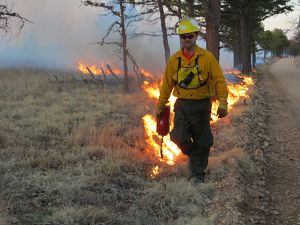
What the Conservancy is doing now will restore and maintain the natural plant and animal communities of this former cattle ranch. Bermuda and fescue fields are being replaced with tallgrass prairie and woodland in an effort to re-create a unfragmented native landscape. Prescribed burns here will restore the open woodlands conditions that Conservancy scientists believe historically existed. Since 2000, the return of fire on site has produced an astounding increases in botanical diversity and abundance.

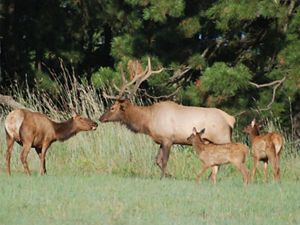
The preserve will also serve as a demonstration site to engage public and private conservation partners in best land management practices to help conserve lands in the greater conservation area outside the preserve's boundaries. The Conservancy is currently pursuing the reintroduction of elk, a once-common ungulate absent from this Ozark landscape for more than 150 years.

Photos

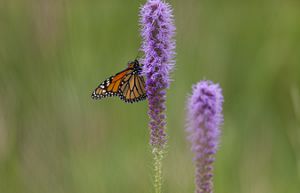
Oklahoma Butterfly

Click on icon to enlarge image.

Royal Catchfly

Click on icon to enlarge image.

Things To Do

The J. T. Nickel Family Nature and Wildlife Preserve is near Tahlequah Oklahoma, the seat of the Cherokee Nation. At the Cherokee Heritage Center you can tour an ancient Cherokee village, a museum of Cherokee history and do genealogical research on Cherokee ancestors. It is located near Park Hill, Oklahoma, which  is a few miles south of Tahlequah, Ok.

Plan Your Visit
Directions


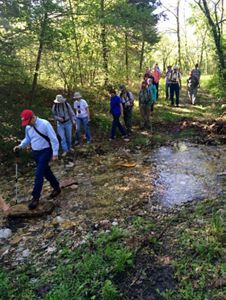
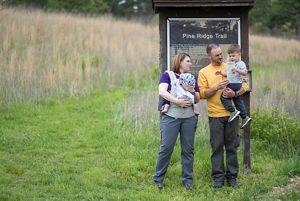
A county road bisects the preserve from west to east. There is a self-guided nature trail on the county road and two self-guided hiking trails begin at the headquarters building. These are open during daylight hours 7 days a week. Access to other areas of the preserve may be arranged by contacting the preserve manager. The headquarters building is staffed only on weekdays. There are no facilities other than at the headquarters building. No hunting, fishing, or camping is allowed on the preserve.

Click here for a map of the preserve.


Discussion

Have you been to this preserve? Are you thinking of visiting? See what others are saying about their experiences and add your comments below.

Add Your Comments

Time for you to join the discussion. Tell us about your experience at this preserve. What plants and animals did you see? When did you go? You can help others plan their visit when you share your thoughts. And thank you for visiting one of our nature preserves!

Read our guidelines on posting comments

Read More

Close Encounters with Nature

Nature Matters

Donate to The Oklahoma Chapter

When you donate today, you will help us protect over 120 square miles of Oklahoma's most endearing landscapes.

Explore Related Content

Conservation Plans
Science