

We're working with you to make a positive impact around the world in more than 35 countries, all 50 United States and your backyard. Support our work
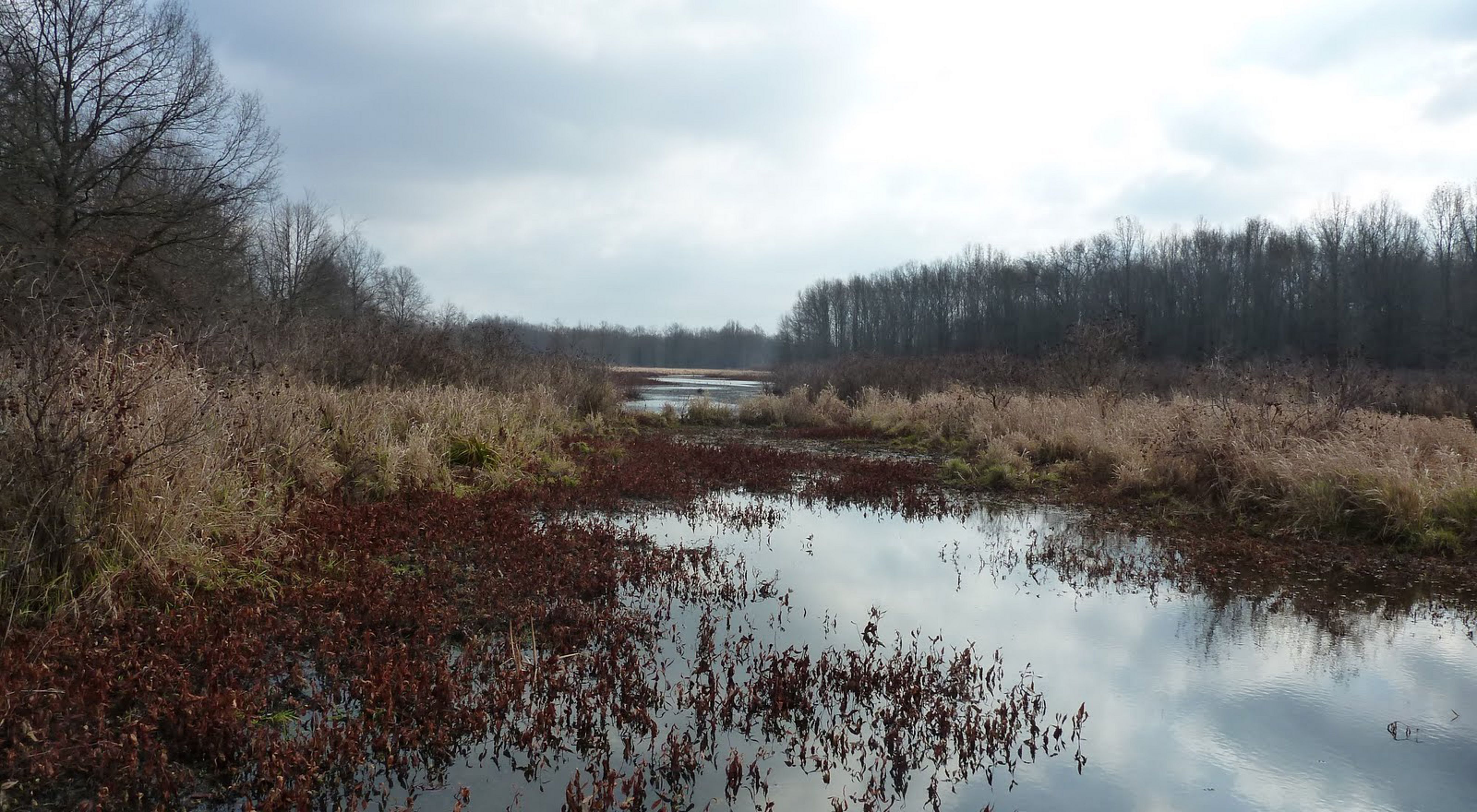
Stillfork Swamp occurs in a broad valley in the Western Allegheny Plateau Ecoregion. The wetlands were formed by a complex series of events related to Pleistocene glaciation. Blockage of the pre-glacial Dover River caused the Stillfork Valley to fill with water, forming a finger lake. Deposits from the surrounding hills gradually filled the valley, forming a slack-water silt terrace. The resulting broad, flat, and poorly-drained land created favorable conditions for the various wetland communities to develop.
The entire swamp encompasses over 600 acres within the Stillfork Valley and its major tributaries and is drained by Stillfork Creek, a small, slow moving stream characterized by an extremely low gradient. Stillfork Creek now flows into Sandy Creek, and into the Tuscarawas River. Beaver utilize the area to a great extent.
Location
Carroll County, within the Western Allegheny Plateau Ecoregion.
What to See: Plants
What to See: Birds
What to See: Amphibians/Reptiles
Why the Conservancy Selected This Site
This is one of the most extensive inland marshes in the unglaciated Western Allegheny Plateau Ecoregion of eastern Ohio, and contains a diversity of other wetland habitat types. The area has been long recognized for its importance as nesting grounds for a variety of waterfowl and marsh birds.
Most of the threats to the system are from past attempts to modify the drainage in the valley. In the past, there was concern about a series of drainage ditches that dissect the marsh, but their impact to the system remains relatively unknown. Many of the ditches are now occupied by beaver lodges. Cattle graze on adjacent parcels, and in at least one area, right up to the preserve boundary, so nutrient enrichment from manure runoff could affect the wetland communities. Although apparently not present now, acid mine drainage and other effects of surface mining (a major industry in the region) are perhaps the most serious potential long-term threats to Stillfork Swamp.
What the Conservancy Has Done/Is Doing
Stillfork Swamp was one of the Chapter’s first projects due to the efforts of Professor J. Arthur Herrick and local naturalist Forest Buchanan. The first parcel was purchased in 1963. The Nature Conservancy cooperatively owns and manages this preserve with Kent State University.
The overall goal for Stillfork Swamp is to maintain the wetland communities and quality of bird habitat. The preserve design is being evaluated for ways to improve long term protection for this site. Stewardship at the preserve includes periodic surveys for bird species, monitoring of beaver activity, and controlling non-native invasive species.
Have you been to this preserve? Are you thinking of visiting? See what others are saying about their experiences and add your comments below.
Time for you to join the discussion. Tell us about your experience at this preserve. What plants and animals did you see? When did you go? You can help others plan their visit when you share your thoughts. And thank you for visiting one of our nature preserves!
Whether scary or exciting, nature has a way of sneaking up on you. See stories
Hear some of nature's success stories and see how nature matters to us all. Watch videos