

We're working with you to make a positive impact around the world in more than 35 countries, all 50 United States and your backyard. Support our work
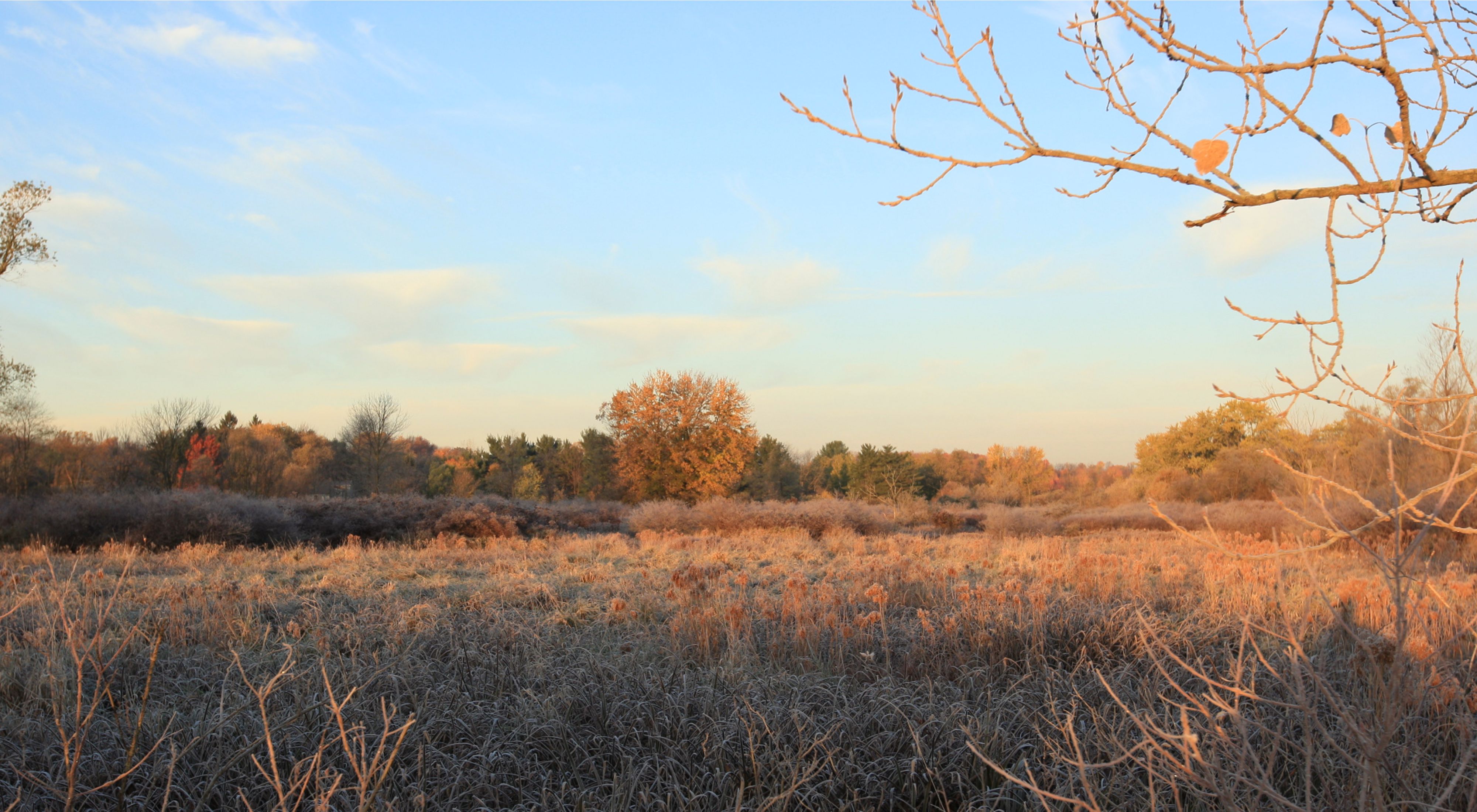
Evans R. Beck Memorial Nature Preserve, commonly known as Beck Fen, was once part of a network of fens in the upper watershed of Tinkers Creek. Today Beck Fen, the Conservancy's Herrick Fen and the Ohio Department of Natural Resources' Gott Fen, are the only high-quality fens that remain of this once extensive wetland system.
Beck Fen was formed approximately 18,000 years ago when the retreat of glaciers left behind large deposits of water-saturated gravel. The cold, oxygen-deficient, alkaline water that flows to the surface provides habitat for fen species.
Location
Portage County, in the Western Allegheny Plateau Ecoregion
Plants
At least eight different types of sedges dominate the vegetation in Beck Fen. The fen environment contributes to the accumulation of sedge peat and the establishment of additional fen species such as shrubby cinquefoil. The growth of sphagnum mosses in Beck Fen provides an acidic environment for the shrub leather-leaf and the insectivorous round-leaved sundew.
Many rare wildflowers and sedges bloom during the spring and summer at Beck Fen. These include:
Other interesting species include:
Why the Conservancy Selected This Site
The fen, although small in size at 10 acres, is of high quality and is dedicated as a scientific nature preserve. Invasion by glossy buckthorn and cattails are ongoing threats to the wetland plant communities of northeastern Ohio. The cattails form very dense stands to the east and north of the fen. Buckthorn is present throughout the fen and along the railroad embankment. Purple loosestrife has been found in adjacent wetlands and would present a serious threat to the community if allowed to invade the fens. Woody succession may threaten the open fen communities.
The local area around the fen is undergoing tremendous development pressure. Loss of wetland and upland habitat to industrial and commercial development is commonplace. Negative impacts from this disturbance include increased surface runoff, chemical contamination and sedimentation into the fen.
What the Conservancy Has Done/Is Doing
The biological goal at this site is to preserve the integrity of the fen community, and monitor the community and several of its rare species, including the population of showy lady’s-slipper. Ongoing control is needed to keep the invasive species in check at the preserve. Additional land acquisition to buffer the preserve is being pursued also.
Have you been to this preserve? Are you thinking of visiting? See what others are saying about their experiences and add your comments below.
Time for you to join the discussion. Tell us about your experience at this preserve. What plants and animals did you see? When did you go? You can help others plan their visit when you share your thoughts. And thank you for visiting one of our nature preserves!
Whether scary or exciting, nature has a way of sneaking up on you. See stories
Hear some of nature's success stories and see how nature matters to us all. Watch videos