

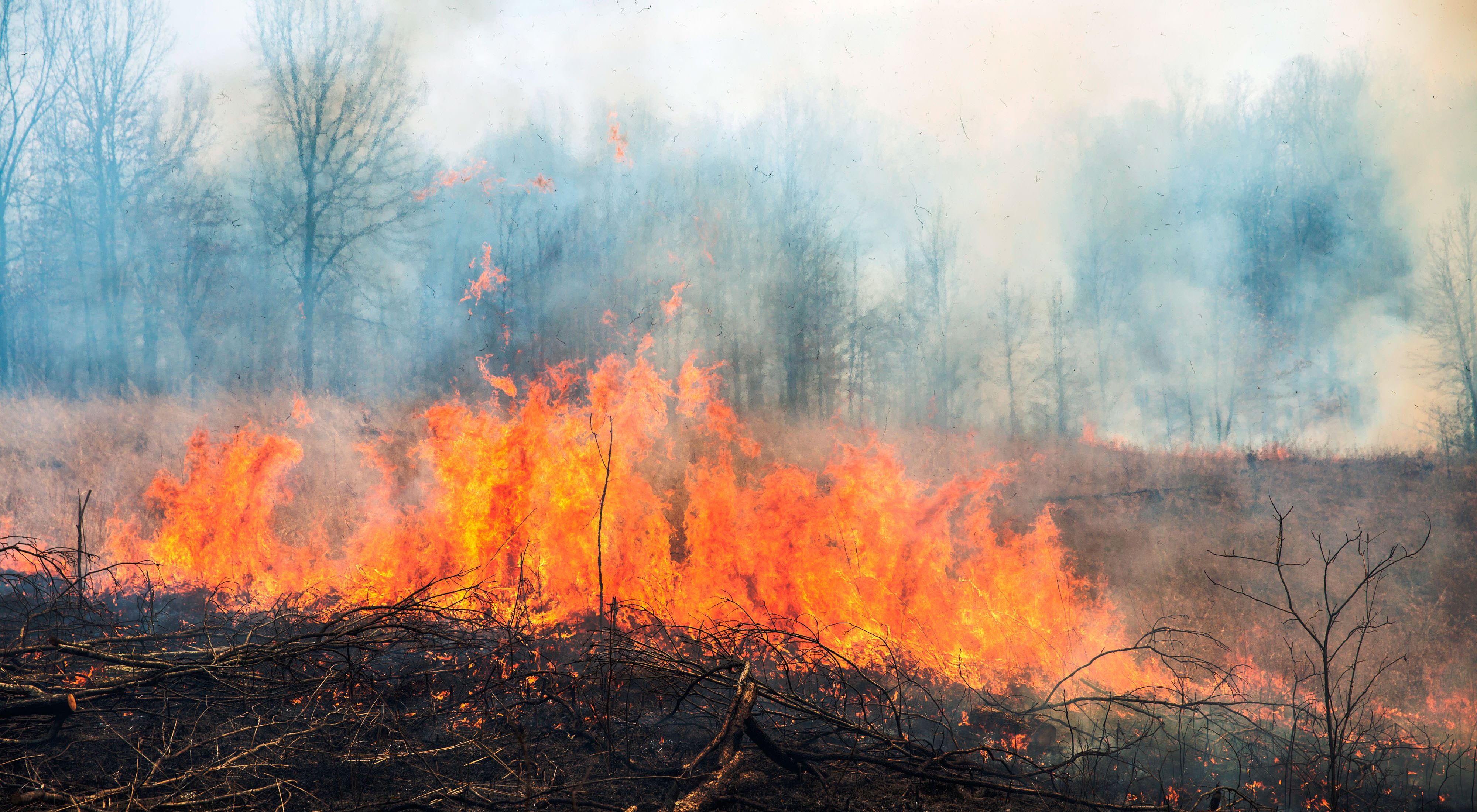
Prescribed Fire Fire is an important tool for managing Ohio's forests and prairies. Learn how we're using fire to enhance ecological resiliency and biodiversity. © Mike Wilkinson
From the prairies and savannas of the Oak Openings Region in the northwest part of the state to the lush woodlands of the Appalachian foothills, Ohio boasts a remarkable array of ecosystems teeming with life. Yet, these systems are not static; they evolve and adapt as disturbance shapes the land. In many of these systems, fire has been the dominant force in maintaining the landscape for thousands of years. Discover how TNC is working to restore fire to the land to help protect Ohio’s most resilient and biodiverse natural areas.

History of Fire in Ohio
Prior to European colonization, Indigenous Peoples used fire for thousands of years as a part of their land management strategies across Ohio. These intentional fires played a crucial role in maintaining the health and diversity of ecosystems across the continent, helping to clear out underbrush, create open habitats that supported plants and wildlife and promote ecological resiliency.


With the arrival of European colonists, a profound shift in the approach to Ohio's land management occured; fire suppression became the new norm. As a result, the landscape began to change as fire-adapted and fire-dependent ecosystems became increasingly rare. This shift had unintended and detrimental consequences for natural areas in Ohio. Without regular fires, many habitats became overgrown as natural succession took over. Invasive species thrived in the absence of the natural disturbances that kept them in check. Biodiversity suffered as specialized fire-adapted species struggled to regenerate. And the overall health and resilience of ecosystems declined.
Impacts of Fire Suppression in Ohio
Ohio’s oak-hickory forests evolved with a natural fire regime. Periodic, low-intensity fires helped clear out underbrush, reduce competition from other plant species and stimulate the regeneration of oak and hickory trees. But fire suppression throughout the last century has threatened the integrity of these systems.

The consequences of fire suppression in Ohio’s forests are multifaceted. First and foremost, it has led to an increase in the density of smaller trees and shrubs in the forest understory. Without the natural thinning effect of fires, these plants have flourished, creating dense, crowded conditions that make it difficult for young oak and hickory trees to establish themselves. This lack of regeneration threatens the long-term sustainability of these iconic tree species, as they are outcompeted by more shade-tolerant species like maple. Fire suppression has also altered the composition of the forest floor. Fallen leaves, branches and other organic matter that would typically be consumed by fires now accumulate over time, creating a fuel-rich environment that could increase the severity and destructiveness of wildfires when they occur.

The decline of oak and hickory species in Ohio's forests has cascading effects on wildlife. These keystone trees provide important food sources, such as acorns and nuts, for a variety of species including turkeys, foxes and state-endangered black bears. As these trees decline, so does the availability of these crucial food resources, impacting wildlife and disrupting the balance of the ecosystem.
Benefits of Fire
Prescribed fire, often referred to as a controlled burn, is a practice rooted in both Indigenous wisdom and modern ecological science. The practice is used to rejuvenate landscapes and enhance biodiversity.
Promoting Ecosystem Health
One of the primary reasons prescribed fire is employed in conservation practices is to promote ecosystem health. Many of Ohio's ecosystems have evolved with fire, and they rely on periodic burning to thrive. Fire helps to clear away accumulated dead vegetation, making space for new growth and reducing the risk of catastrophic wildfires. In Ohio's oak-hickory forests, for example, fire promotes the growth of native oak and hickory trees by suppressing competing species and stimulating seedling recruitment.

Enhancing Biodiversity
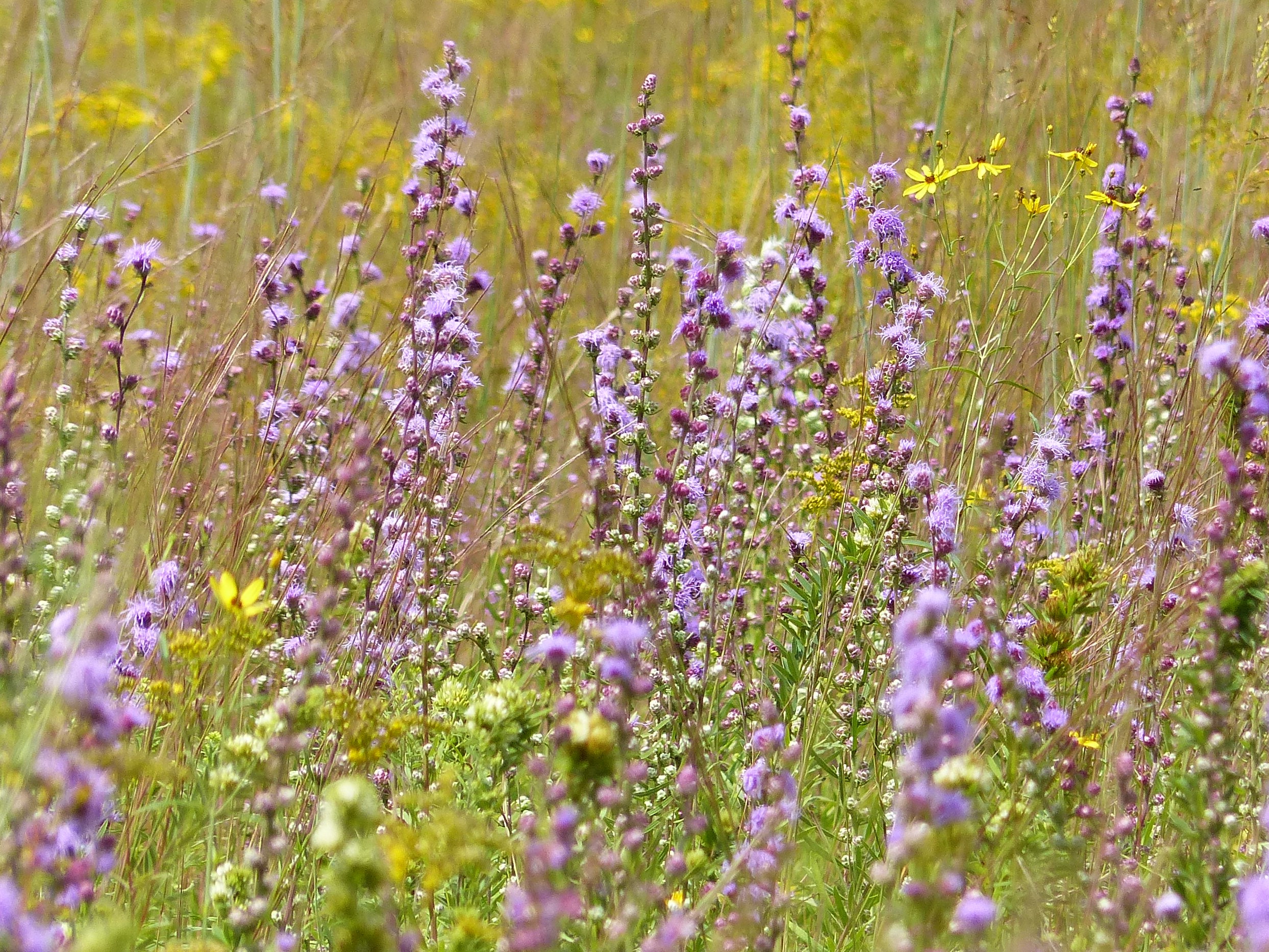
Prescribed fire plays a pivotal role in enhancing biodiversity. By reducing the spread of invasive species and promoting the growth of native plants, fire can help to create habitat conditions that support a wide range of wildlife species. Many Ohio species, such as grassland birds, butterflies and moths, benefit from the open, sunny spaces created by fire. Additionally, fire can help restore Ohio's rare and threatened ecosystems, like the globally imperiled prairies and barrens found in the Oak Openings Region.
Reducing Risks to People
In Ohio, where human activity often intersects with natural areas, the threat of wildfires is ever-present. By using prescribed fire to reduce the buildup of flammable vegetation and create defensible spaces around communities, fire managers can minimize the risk of destructive wildfires. This proactive approach to fire management can help protect both people and nature.

Embracing Fire in Ohio
Throughout the last 60 years, conservationists have come to recognize the importance of reintroducing fire and other forms of natural disturbance as an important component of land management and restoration. The Nature Conservancy, among other organizations, has been at the forefront of these efforts, working to restore the balance that was disrupted centuries ago. Through careful planning and collaboration, we are working to revitalize the practice of prescribed burning, recognizing that it is essential to the future health and sustainability of Ohio’s fire-dependent habitats.
Prescribed fires are driven by specific ecological goals. These goals can range from maintaining a specific plant community or controlling invasive species to enhancing wildlife areas or keeping forests healthy. We're using fire at Kitty Todd Nature Preserve in northwest Ohio and Edge of Appalachia Preserve in southern Ohio as a way to promote the health of both natural areas.
Kitty Todd Nature Preserve
Prescribed fire supports rare and endangered species at Kitty Todd Nature Preserve in the Oak Openings.
Prescribed Fire at Kitty Todd: Trained staff perform a prescribed burn during fall to help aid the health of prairie and forest habitats. © TNC
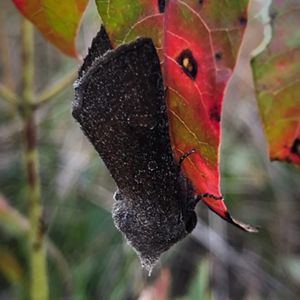
Blazing Star Borer Moth: in the Oak Openings © Dave Cuthrell
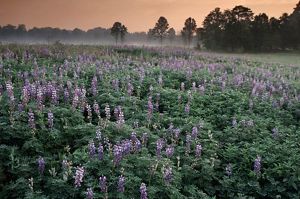
Kitty Todd Nature Preserve : Field of lupines at Kitty Todd Nature Preserve © Andy Morrison
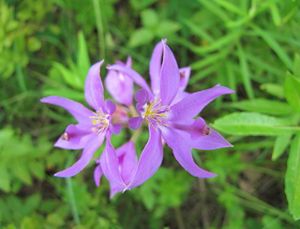
Grasspink Orchid: Calopogon tuberosus © Angie Cole
Marked by prairie and savanna habitat, the Oak Openings Region in northwest Ohio is home to one-third of the state's endangered and threatened plants. Prescribed fire is an important tool in maintaining the area’s open, sandy habitats that are vital for these species by reducing the encroachment of woody vegetation and promoting the growth of native prairie plants, including yellow false indigo, Skinner’s foxglove, grass pink orchid, colicroot, scaly blazing star and wild lupine. Using fire as a disturbance at Kitty Todd Nature Preserve also helps to support the habitat needed for rare butterflies and moths, including the state-endangered blazing star borer moth, as well as rare birds like the lark sparrow, least bittern, sandhill crane, grasshopper sparrow, red-headed woodpecker and northern harrier.
Edge of Appalachia Preserve
Fire is used to manage both the prairie and forest habitats at Edge of Appalachia Preserve.
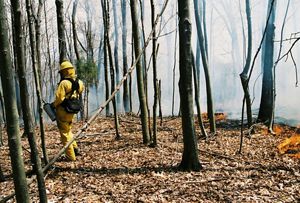
Ohio Prescribed Fire: Prescribed fire at our Strait Creek Preserve at the Edge of Appalachia © The Nature Conservancy
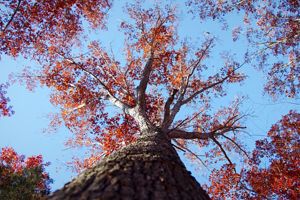
Oak Tree: Oak trees are a keystone species in Ohio forests, providing habitat and food for a wealth of wildlife. © Running Wild Media
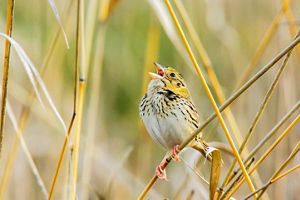
Henslow's Sparrow: Henslow's sparrow is a species of concern in Ohio due to dwindling grassland habitat. © CheepShot/Creative Commons
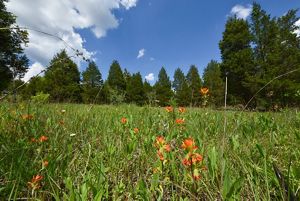
E. Lucy Braun Lynx Prairie: The prairies at the Edge of Appalachia Preserve come alive in summer with wildflowers. © Randall L. Schieber
Nestled along the Ohio River, the Edge of Appalachia Preserve is a testament to the power of prescribed fire in maintaining the region's biodiversity. Fire is used alongside other anthropogenic disturbances like mowing and mulching to maintain and restore the preserve’s xeric limestone prairies that support migratory birds like Henslow’s sparrow and meadowlarks, as well as insects, reptiles and other wildlife. The preserve’s forests also benefit from routine disturbance like burning and selective thinning. Fire benefits oak-hickory forests by increasing sunlight to the forest floor and promoting seed germination of preferred species. These hardwood-dominated ecosystems provide a rich tapestry of plant and animal life due to their complex structure and diverse understory. Surface fires reduce competition from shade-tolerant species such as red maple, yellow poplar and white pine, which do not have fire adaptations like thick, protective bark or other traits that have become more common in the absence of fire.
Keeping Fire Safe
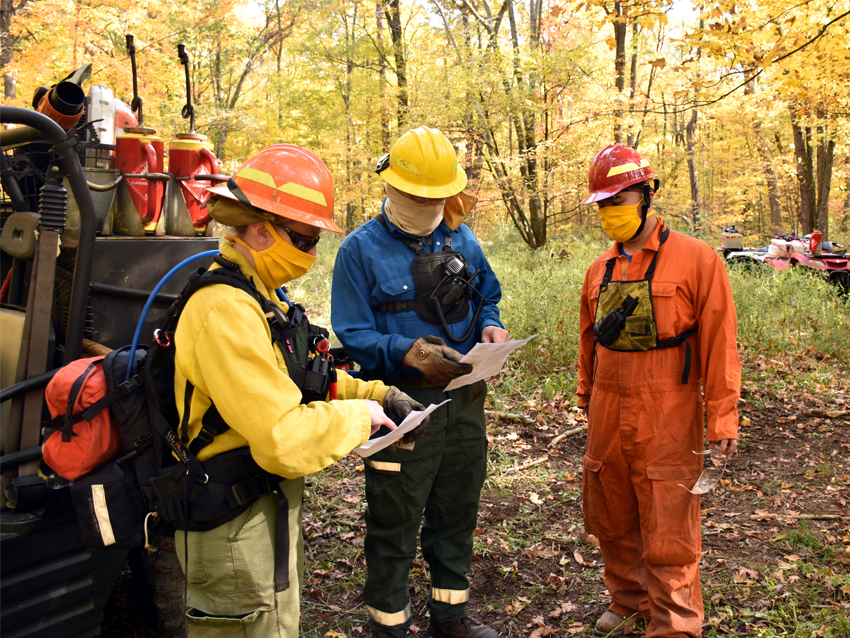
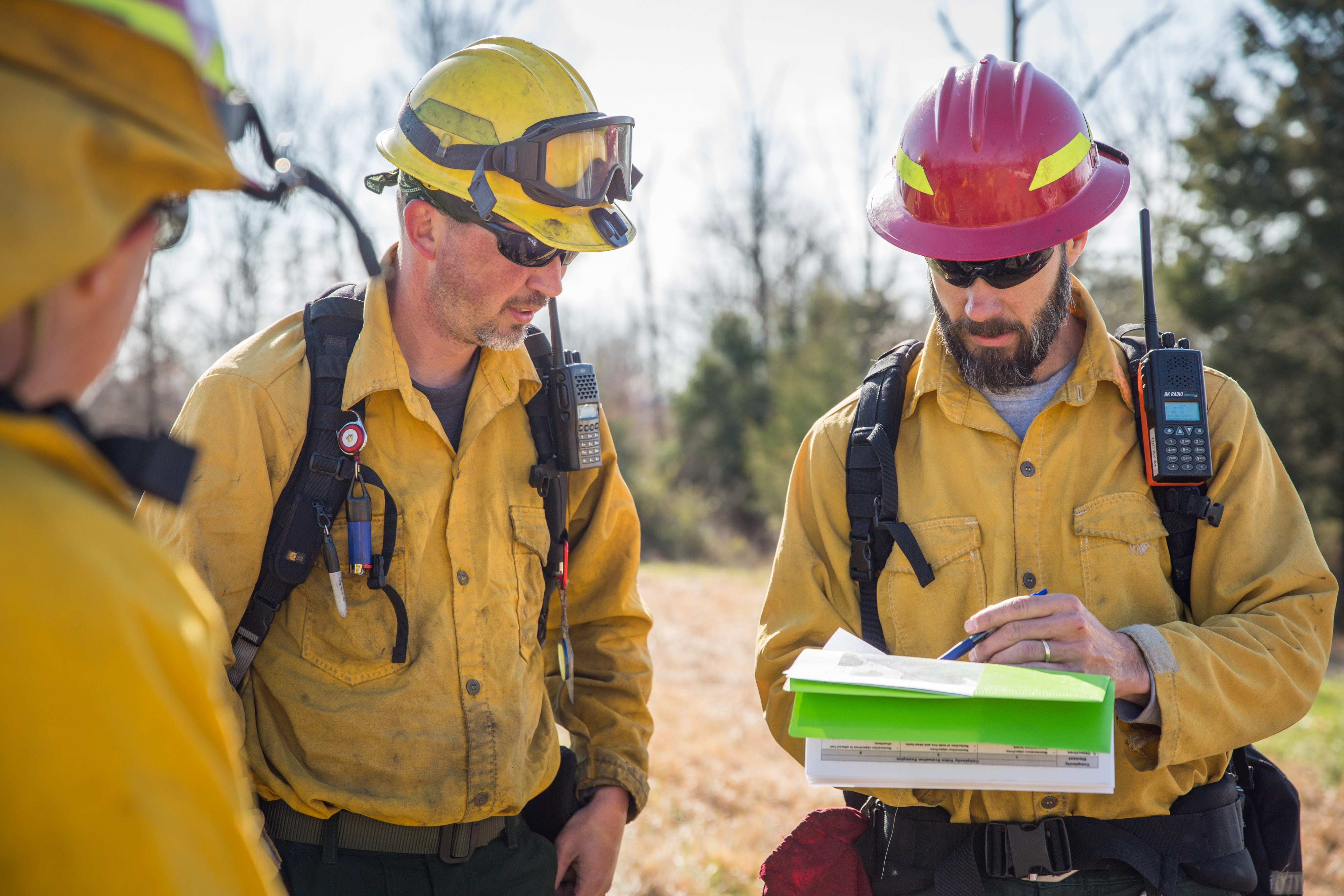
The key to a safe and effective burn is planning. Before fire is applied to the land, a rigorous planning process is undertaken to determine the conditions under which the burn will be conducted.
Every burn has a written “prescription,” which outlines precise weather conditions required to conduct the burn safely and a specific plan of how the fire will be conducted. If weather conditions are unacceptable on the day of a planned burn, they are considered “out of prescription,” and the burn will be postponed. Plans also include safety considerations and contingencies in the event that something does not go as intended. These contingencies include communication with local, emergency dispatch centers and other agencies before and after the controlled burn as well as maps and additional planning. Day-after checks are required by TNC fire staff for as long as needed until the burn is fully extinguished.
Prescribed Fire FAQs
-
Prescribed fire, also known as controlled or planned fire, is a carefully managed and deliberate fire set under specific conditions to achieve ecological benefits. In Ohio, it is used as a restoration tool because many native ecosystems, like prairies and oak woodlands, have evolved with fire. Fire helps control invasive species, promote native plant growth and maintain healthy habitats for wildlife.
-
Prescribed fire is distinct from wildfires in that it is intentionally ignited and conducted by trained professionals. It is carefully planned to occur under specific weather and environmental conditions to ensure safety and effectiveness. In contrast, wildfires are uncontrolled and can pose significant threats to people, property and ecosystems.
-
Prior to a burn, TNC staff notify appropriate officials and area residents of the scheduled event. Burn plans are shared with regulatory authorities such as the Ohio Department of Natural Resources and the Ohio EPA. The morning of the burn, TNC staff or fire team volunteers make phone calls to notify officials and agencies, local businesses and neighboring residents. Additionally, notification of the burn will also be posted online to notify the public of any preserve closures and by roadside notices posted in the weeks prior to the event.
-
Yes, prescribed fires are conducted with safety as a top priority. They are carefully planned and executed by trained professionals who consider weather conditions, smoke management, moisture levels and potential impacts on communities and wildlife. Firebreaks and other precautions are taken to ensure that the fire stays within designated areas.
-
You can support prescribed fire efforts by volunteering, donating to organizations involved in conservation and fire management, participating in educational programs and advocating for responsible land management practices that include prescribed fire as a restoration tool.
-
To learn more about how TNC is using fire as a restoration tool, visit Why We Work With Fire.
Help Save Nature
Sign up for stories and news updates from Ohio.