

Ohio

- Phone: +1 614-717-2770
- Email: ohio@tnc.org
-
Follow


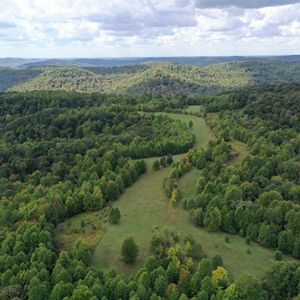

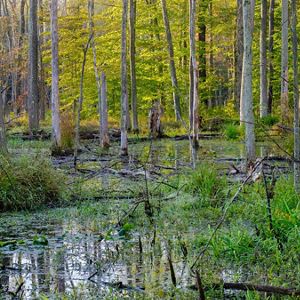
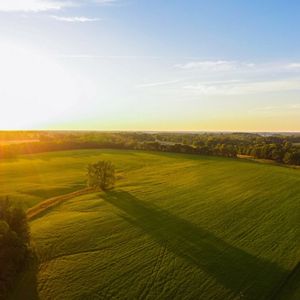

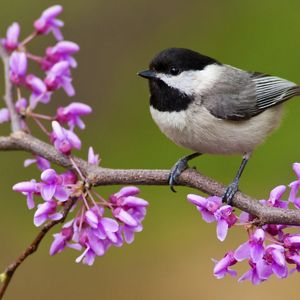

Nature Is Common Ground—and Common Sense
The Nature Conservancy remains committed to creating a world where everyone thrives alongside nature for generations to come, protecting and preserving nature.

We Can’t Save Nature Without You
Sign up to receive monthly conservation news and updates from Ohio. Get a preview of Ohio's Nature News email.
Featured Stories

2025 Ohio Annual Report
Take a look back on some of the great wins for nature and people in Ohio that your support helped us accomplish in 2025. (PDF download)

Celebrating Wins for Nature in the Midwest
Explore inspiring Midwest wins—stories of habitat protection and restoration, species revival and clean energy, all powered by collaboration and community.

Ohio Stream and Wetland In-Lieu Fee Mitigation Program
The Nature Conservancy’s Ohio Stream and Wetland In-Lieu Fee Mitigation Program (OMP) restores and protects streams and wetlands for future generations.

Year-round Bird Watching in Ohio
Bird watching (or birding) is an easy and accessible activity to connect with nature wherever you are in Ohio. Here, we give some tips for beginning bird watchers and birds to see in Ohio.
Places We Protect
From wetlands and rivers to forests and prairies, TNC is protecting Ohio's most biodiverse places throughout the state. Learn more about our preserves and plan your visit today!
EXPLORE OUR PRESERVES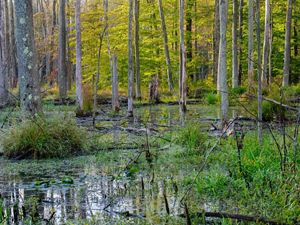
.jpg)
Morgan Swamp: Morgan Swamp Nature Preserve © Kent Mason
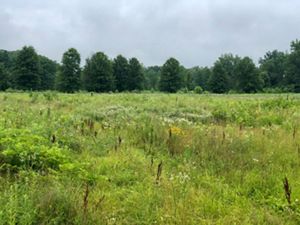
Salamander Flats: Part of the Kitty Todd Nature Preserve, Salamander Flats offers visitors rare mesic to wet sand prairie habitats and a diversity of wildlife visitors. © Pete Blank/TNC
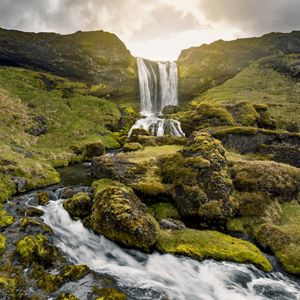
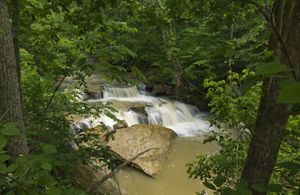
Helen C. Black Trail: Cedar falls can be seen along the Helen C. Black Trail within the Edge of Appalachia Preserve System in Adams County. © Mark Godfrey/TNC
Brown's Lake Bog Preserve: Ferns cover the forest floor of Brown's Lake Bog along the board walk as the sun shines through the trees. © Emily Speelman
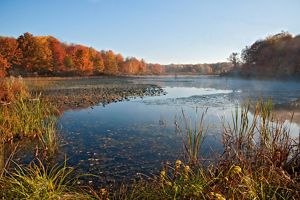
Lucia S. Nash Preserve: Snow Lake in autumn. © Ian Adams
Make a Difference
For more than 60 years, people like you have helped The Nature Conservancy protect nearly 65,000 acres of Ohio's lakes, forests, winding rivers and rolling hills. We’re building on that legacy and bringing people together to help solve today’s biggest conservation challenges from climate change and habitat loss to protecting clean water.
