

We're working with you to make a positive impact around the world in more than 35 countries, all 50 United States and your backyard. Support our work
Yes
Plants and Animals View All
Planning Your Visit View All
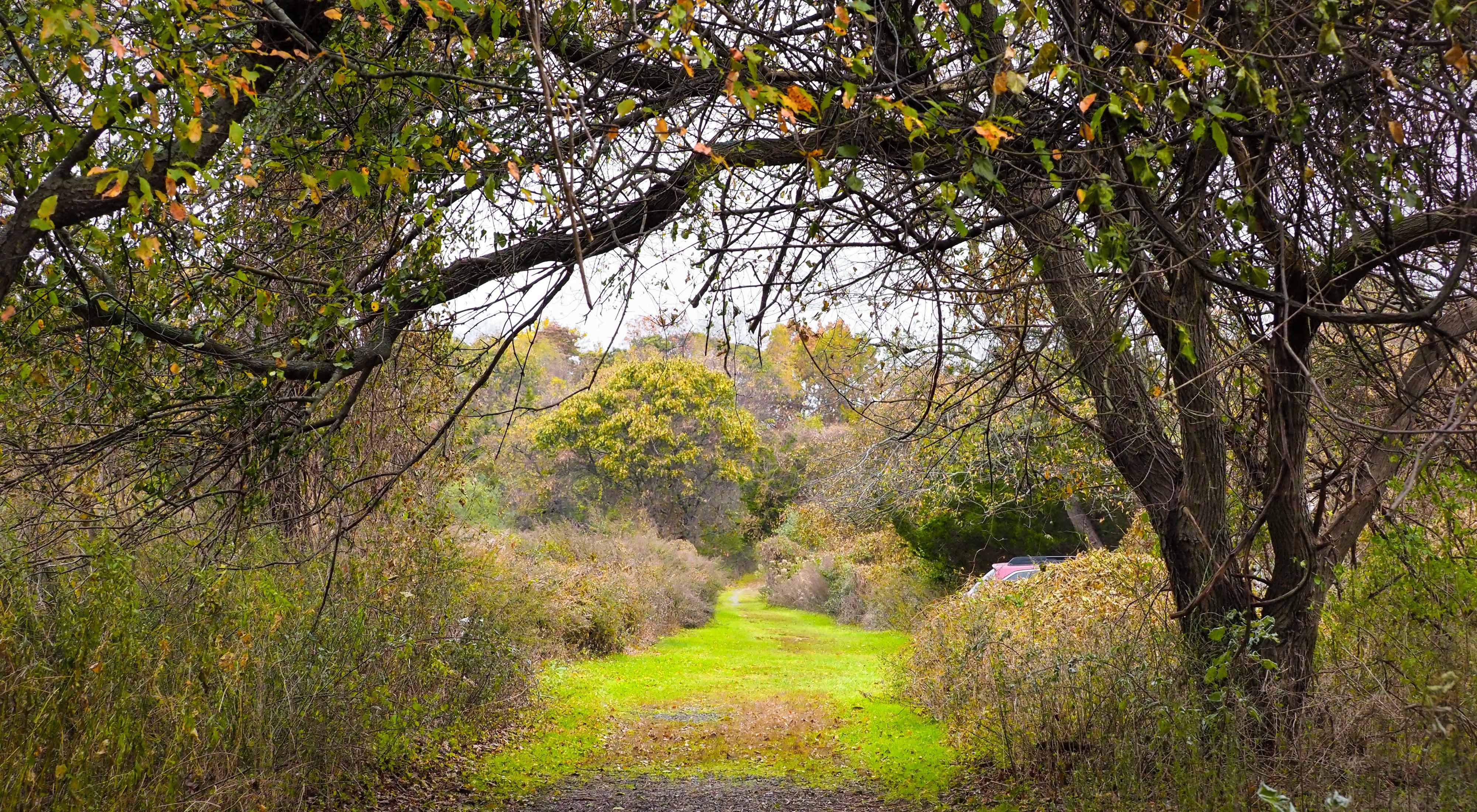
An impressive array of habitats and glacial handiwork grace the David Weld Sanctuary on Long Island’s North Shore. Trails cross an old field dotted with red cedars, loop around a red maple swamp, pass colossal tulip trees, climb a 50-foot bluff overlooking the Long Island Sound and lead eventually to a kettle hole, a 60-foot-deep depression formed when a massive block of glacial ice melted in place. There are also 1,800 feet of beachfront and a number of enormous boulders scattered throughout the woods and along the shore.
The sanctuary was donated by Mr. and Mrs David Weld between 1969 and 1979. Additional land was donated by and acquired from the Woodys and the Millers, neighbors of the Welds. In the 1930’s, Alden Blodgett and his wife, famed author and actress Cornelia Otis Skinner, bought the land and built a cabin on the bluff. This structure, known as the “watchmen’s cabin,” burned in a violent wind storm on December 30, 1987.
The David Weld Sanctuary is a wonderful place for birders, geology buffs and wildflower-lovers to hike and explore nature. There’s just enough elevation change to make the trails interesting but not too daunting for little legs and family nature excursions. The 3-mile trail at David Weld Sanctuary are open for hiking and observation from dawn to dusk.
Thanks to sculpting by glaciers during the last Ice Age, the sanctuary’s landscape supports a remarkable diversity of trees, shrubs, vines, ferns and wildflowers, as well as a variety of birds and small mammals. In spring, the giant tulip trees display magnificent blooms. Look for their long, straight trunks, which were once used for masts on ships. Their large, greenish-yellow blooms are full of nectar sipped by orioles and hummingbirds. You may also see eastern tiger swallowtail butterflies fluttering about, since tulip tree leaves are one of their caterpillars’ favorite foods.
In summer as you walk along the bluff, observe the burrow holes in the top two or so feet of sediment. These were created by bank swallows that patrol the coastline. Take the side trail to the beach for a closer look at the large boulders exposed along the shore, especially during low tide. Autumn brings two simultaneous spectacles: The woodlands become a kaleidoscope of red, burgundy, orange and yellow foliage as the deciduous trees prepare to shed their leaves, while waves of shorebirds, songbirds and other migrants stop to feed and rest on their long journeys south. In winter, if you’re lucky, you can see a common loon swimming offshore, as well as huge rafts of brant, American black duck, and other waterfowl.
This 125-acre preserve is located in Nissequogue, Long Island, New York.
Have you been to this preserve? Are you thinking of visiting? See what others are saying about their experiences and add your comments below.
Time for you to join the discussion. Tell us about your experience at this preserve. What plants and animals did you see? When did you go? You can help others plan their visit when you share your thoughts. And thank you for visiting one of our nature preserves!
Whether scary or exciting, nature has a way of sneaking up on you. See stories
Hear some of nature's success stories and see how nature matters to us all. Watch videos