
River Fork Ranch

Conservation for future generations

River Fork Ranch is an 800-acre preserve owned and operated by the Conservancy.

Want to visit River Fork Ranch? Here's what you need to know: The trailhead and trails are open from dawn 'til dusk daily.  The Interpretive Center is open for scheduled events and activities only.  The preserve is located at 381 Genoa Lane; Minden, NV 89423.  For more information, contact Duane Petite, Carson River Project Director at dpetite@tnc.org or 775-781-3505.


In 2000, the Conservancy secured the long-term protection of key wetland, meadow and riparian habitats along a two-mile section of the Carson River by purchasing the River Fork Ranch. 


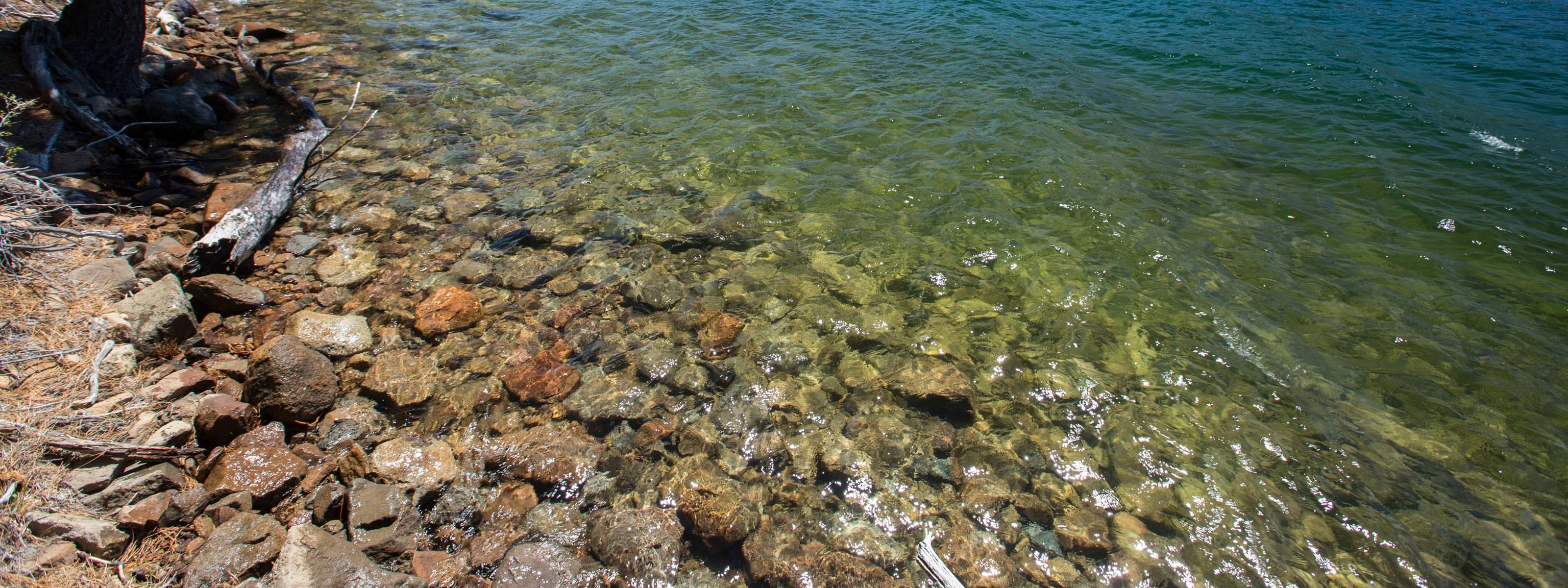
Located at the confluence of the east and west forks of the Carson River near Genoa, NV, River Fork Ranch is both a nature preserve and a working cattle operation. The ranch’s 805-acre patchwork of pastures, meadows and wetlands have supported cattle for more than a century and are one of the only known nesting sites for sandhill cranes in the Carson Valley.

What the Conservancy is Doing at River Fork Ranch

Floodplain Protection:  By giving rivers room to swell beyond their banks in times of high flow, undeveloped floodplains reduce flood risk to communities downstream while allowing groundwater aquifers to recharge and natural water purification processes to function. River Fork Ranch permanently protects more than 800 acres of floodplain at the confluence of the East and West Forks of the Carson River.

Habitat Restoration: A legacy of unrestricted grazing, irrigation diversions and dredging of the river channel resulted in degraded ecological conditions including impaired alluvial function, conversion to exotic plant species and reduced riparian viability. Active restoration work is ongoing at River Fork Ranch to reverse these effects, enhance important riparian, meadow and wetland habitat and create conditions that allow for natural processes including overbank flow and channel migration.

Sustainable Agriculture:  Before the Conservancy purchased River Fork Ranch near Genoa, the property supported cattle for over a century. Today the Conservancy is partnering with Ranch One, Carson Valley’s historic first ranch, to ensure that this classic western ranching landscape endures. Ranch One raises all-natural grass-fed beef at River Fork Ranch using sustainable methods that meet both agricultural and conservation objectives. A rest-rotational grazing plan and exclusion of livestock from the ranch’s sensitive riparian and wetland areas protects wildlife habitat; keeping the ranch in production and selling local beef benefits the community.

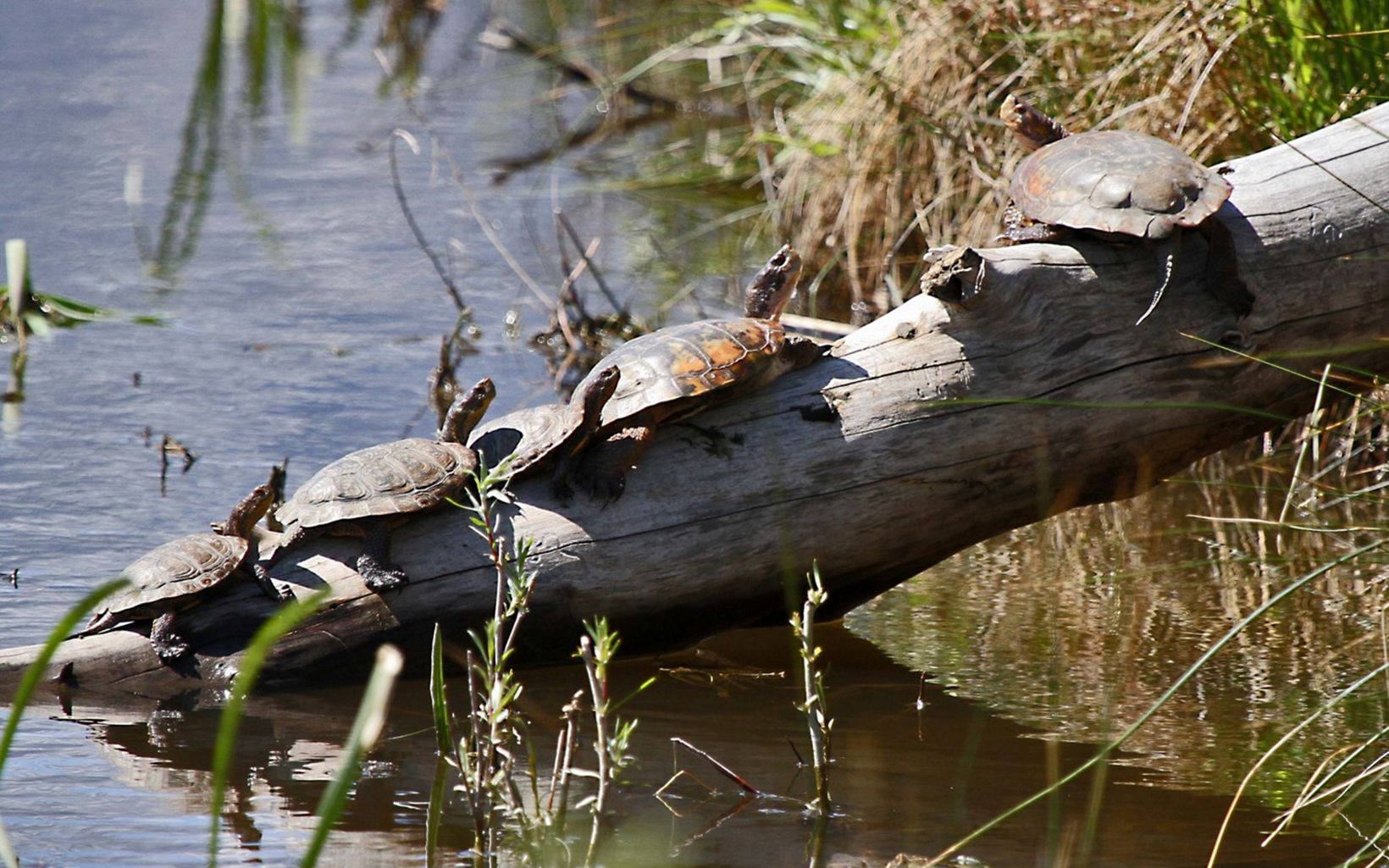
Public access and education:  The trail system at River Fork Ranch provides an unprecedented opportunity to access the Carson River, visit its wetland and wet meadow habitats, and see the Conservancy’s restoration work first-hand.  In addition, a state-of-the-art education center – the Whit Hall Interpretive Center - at the site serves as a hub for the trail system, gives visitors access to the Carson River’s story and demonstrates a more sustainable way of life in the Carson Valley and beyond.   

The Whit Hall Interpretive Center 

The Whit Hall Interpretive Center is the hub of the Nature Conservancy’s conservation efforts along the Carson River and is open for scheduled events and activities throughout the year.

Taking advantage of Nevada’s abundant sunshine, the Whit Hall Interpretive Center uses both active and passive solar technology. Photovoltaic cells directly convert sunlight into electricity, solar panels heat our hot water and strategically placed triple pane windows provide natural lighting for interior spaces

Did you know that cattail filled wetlands are natural water purifiers?   The Whit Hall Interpretive Center uses a fully lined and specially constructed wetland to mimic this natural purification process.  This relatively inexpensive and environmentally friendly method of treating wastewater also provides valuable wetland habitat for native wildlife.

Throughout northern Nevada’s frigid winters and sizzling summers, the temperature a few feet underground is remarkably constant.  Using passive geothermal technology to take advantage of the moderating effect of the temperature below the earth’s surface means that we don’t have to use as much energy to heat or cool the Whit Hall Interpretive Center – saving money and conserving resources.

For its holistic approach to sustainability, the Whit Hall Interpretive Center was awarded Platinum certification in Leadership in Energy and Environmental Design (LEED®) by the U.S. Green Building Council. The center showcases how we can lessen our environmental footprint and live more sustainably in the choices we make, an increasingly important task in light of the threat of a changing climate.  To learn more about your impact, check out the Conservancy’s carbon calculator. 


Photos

Video

Watch a Video

Watch a video about Whit Hall Interpretive Center and community education.

Things To Do
Plan Your Visit
Directions
Discussion

Have you been to this preserve? Are you thinking of visiting? See what others are saying about their experiences and add your comments below.

Add Your Comments

Time for you to join the discussion. Tell us about your experience at this preserve. What plants and animals did you see? When did you go? You can help others plan their visit when you share your thoughts. And thank you for visiting one of our nature preserves!

* Required Fields


First Name *
Last Name *
Email *
Message Title *
Your Comment *

Read our guidelines on posting comments

Read More

Greening Latin America

Donate to The Nature Conservancy

When you donate today, you’ll help The Nature Conservancy protect the most vital habitats on Earth.

Explore Related Content

Get Involved: Volunteer!
Take your kids on a nature treasure hunt