

Climate Action and Renewable Energy
We're leveraging science and policy to accelerate the clean energy transition, while also protecting connected landscapes that are essential for sustaining all life.


Click the tiles below to learn more about our conservation efforts across Montana.

These are 10 million acres of some of the most intact and remote wildlands on the continent. The Crown is an essential home range for wildlife and plant species that have become rare or extinct in other places—animals such as grizzly bears, Canada lynx, fisher, gray wolves and bull trout.
The Nature Conservancy’s guiding principles in the Crown of the Continent revolve around partnership and community-based work.

Rolling westward from Yellowstone and Grand Teton national parks, the High Divide Headwaters is a landscape of wildlife-rich mountain ranges and sagebrush-scented valleys with a proud ranching heritage.
TNC works in communities across the High Divide to secure a healthy future for the area’s extraordinary wildlife, water, forests, sagebrush grasslands and ranching heritage.
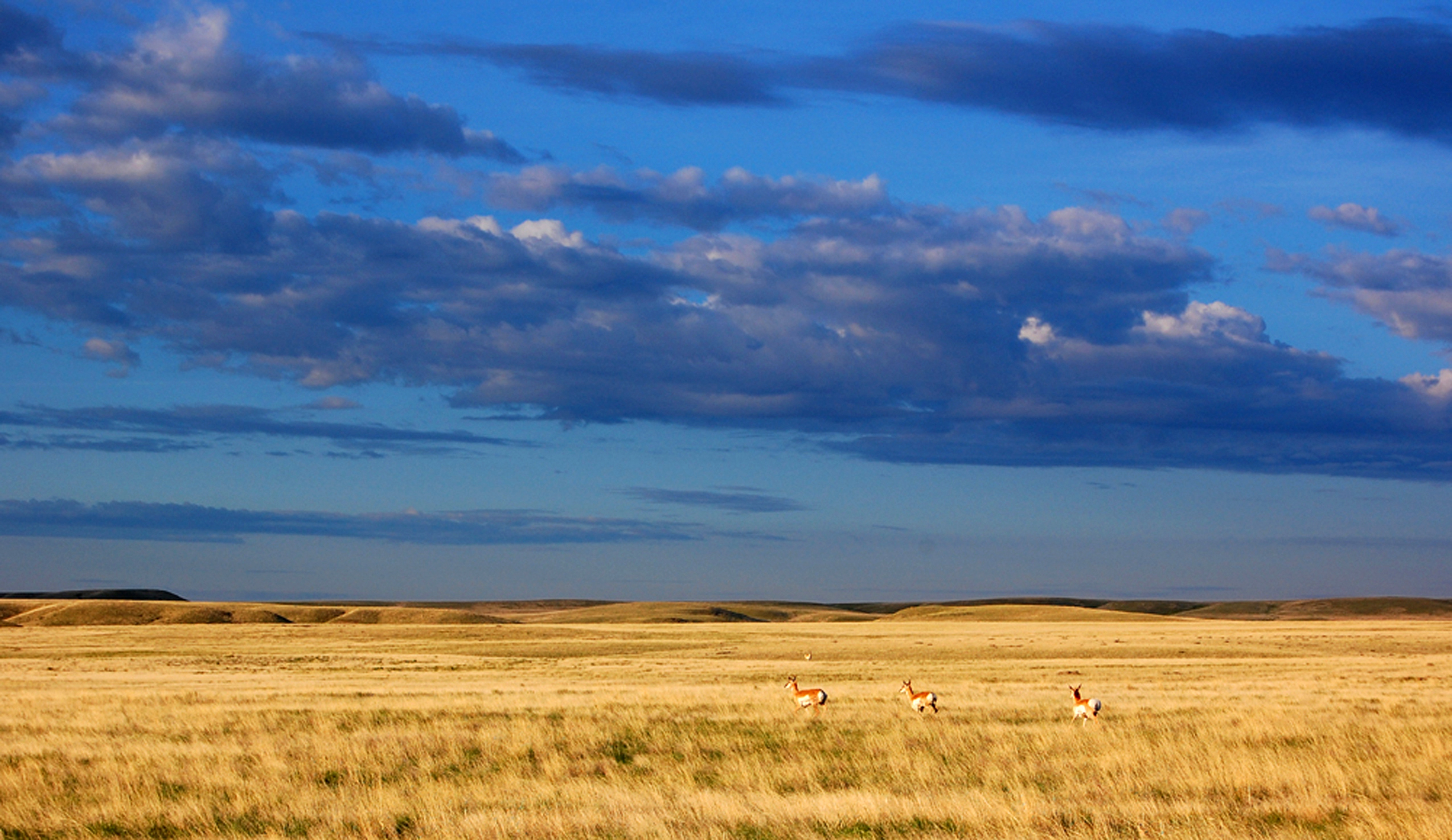
TNC’s goal is to conserve grassland through direct land protection and partnership with the local ranching community. Our grassbank program and other efforts on the Northern Great Plains illustrate how powerful community-led conservation can be in keeping nature and human communities healthy and strong.

TNC offers cattle ranchers access to grass-rich pastures in exchange for adopting conservation practices on their own property.

Trees from TNC conservation projects yield building materials, firewood and employment opportunities for rural communities.

With restoration and collaborative community engagement, we are ensuring our forests thrive even in the face of growing threats.

Your support creates large-scale, lasting benefits for people and nature in Montana.
DownloadPlan a visit to a preserve, explore exciting work happening around the West and more.
Use our interactive map to find a preserve near you to visit and connect with nature.
See the latest press releases.
Discover how we’re catalyzing restoration across the western U.S.
The Nature Conservancy is working across Colorado, Utah, Wyoming, Montana, Idaho, Nevada and Oregon to protect this iconic western landscape, one of the largest natural systems in North America.
The Nature Conservancy’s mission is to protect the lands and waters on which all life depends, and for more than 50 years, we’ve been working in Montana to do just that.

Discover how we're collaborating with our TNC colleagues and partners across the western U.S. and Canada to advance conservation on a transformative scale.


