

We're working with you to make a positive impact around the world in more than 35 countries, all 50 United States and your backyard. Support our work
Yes
Hiking, bird watching, wildflower viewing, exploring. View All
Tips and guidelines for visiting this preserve. View All
According to land-survey records from 1846, many of the same species exist today as did more than a hundred years ago.
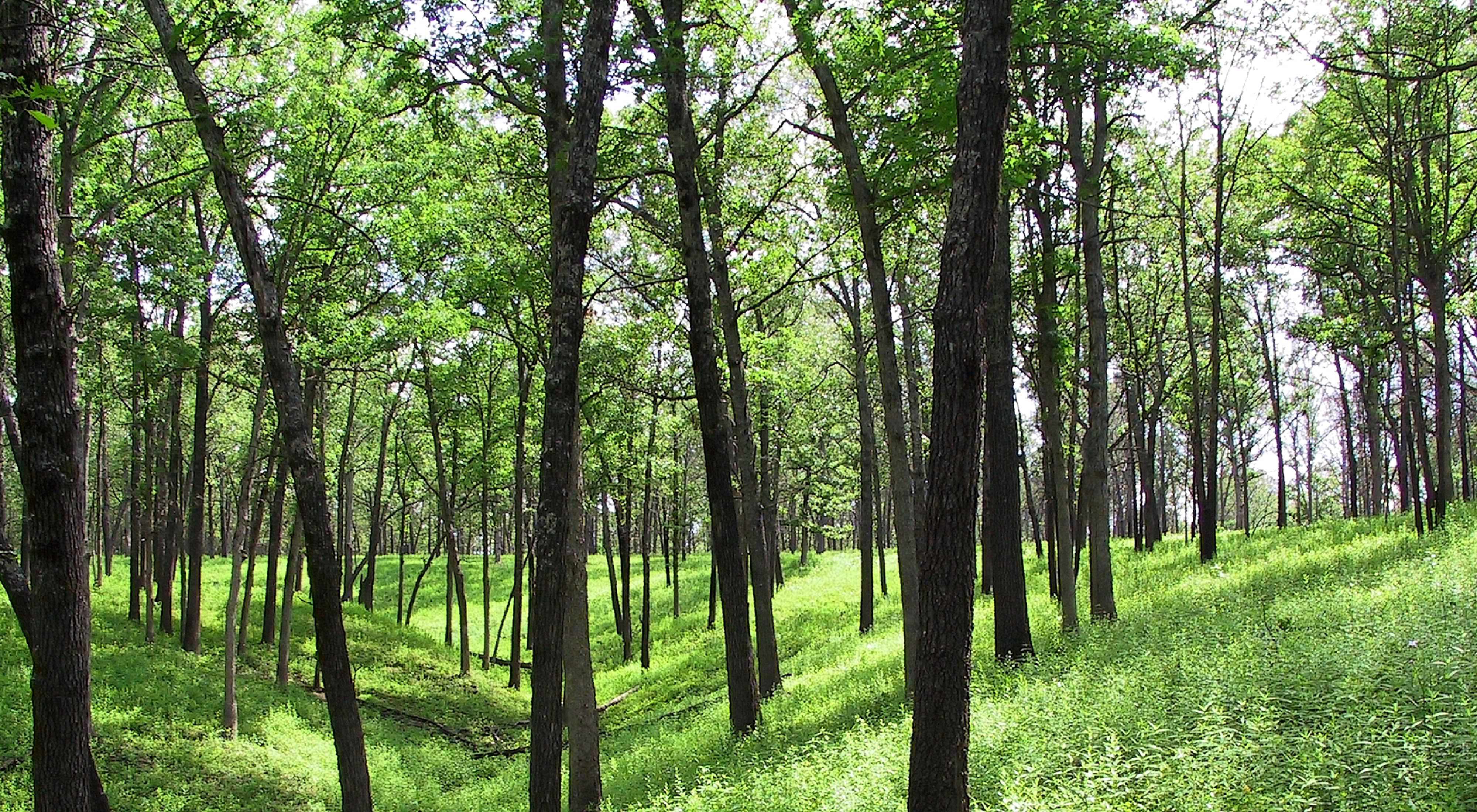
On this high-quality savanna, scattered oaks and hickories raise full, gnarled canopies, while tall bottlebrush grass, little bluestem and blazing stars wave beneath. The ravines and creeks are worth exploring for the chance of meeting a shy turtle, delicate ferns or elusive birds.
Location - Laclede County, west of Lebanon on either side of Highway 00.
Hours - Daylight
Size - 920 acres
Recent ice storms in southern and mid-Missouri have caused some trees to split and large, heavy branches to break off but not fall. In heavy winds or with time, these tree limbs could come down. When visiting and hiking through wooded areas, be aware of your surroundings and consider these dangers before proceeding. The savanna is under intense study, so one might notice trees flagged to delineate test plots or other studies. The terrain is steep near the ravines. While you're never far from the highway, a topographic map and compass may be useful in navigating the ravines. There are no designated trails.
Ongoing management, including the use of prescribed fire, is restoring the grass/woodland complex, creating a habitat similar to that which existed prior to European settlement. The Nature Conservancy's vision is to restore 15,000 acres of rolling uplands and valleys, anchored by Bennett Spring Savanna, along a 10-mile stretch of the upper Niangua River near Lebanon.
Bennett Spring Savanna is one of the last intact Ozark savannas, a globally unique landscape. It protects part of the re-charge area to nearby Bennett Springs, one of the Midwest's most popular fishing destinations.
Look for oaks, hickories, bottlebrush grass, Indian grass, blazing stars, Downy blue gentian, pink milkwort, royal catchfly, stiff aster.
Also, Baltimore checkerspot butterfly, ringed salamander, three-toed box turtle, woodland snakes and other commonly seen woodland animals such as wild turkeys.
Check local weather forecast and dress accordingly. Long pants and sleeves, hiking boots, hat and drinking water are recommended. During warm weather, light color and light-weight clothing is suggested. Repellent, binoculars and field guide(s) are worth bringing.
Preserve Visitation Guidelines
Have you been to this preserve? Are you thinking of visiting? See what others are saying about their experiences and add your comments below.
Time for you to join the discussion. Tell us about your experience at this preserve. What plants and animals did you see? When did you go? You can help others plan their visit when you share your thoughts. And thank you for visiting one of our nature preserves!
Whether scary or exciting, nature has a way of sneaking up on you. See stories
Hear some of nature's success stories and see how nature matters to us all. Watch videos