

We're working with you to make a positive impact around the world in more than 35 countries, all 50 United States and your backyard. Support our work
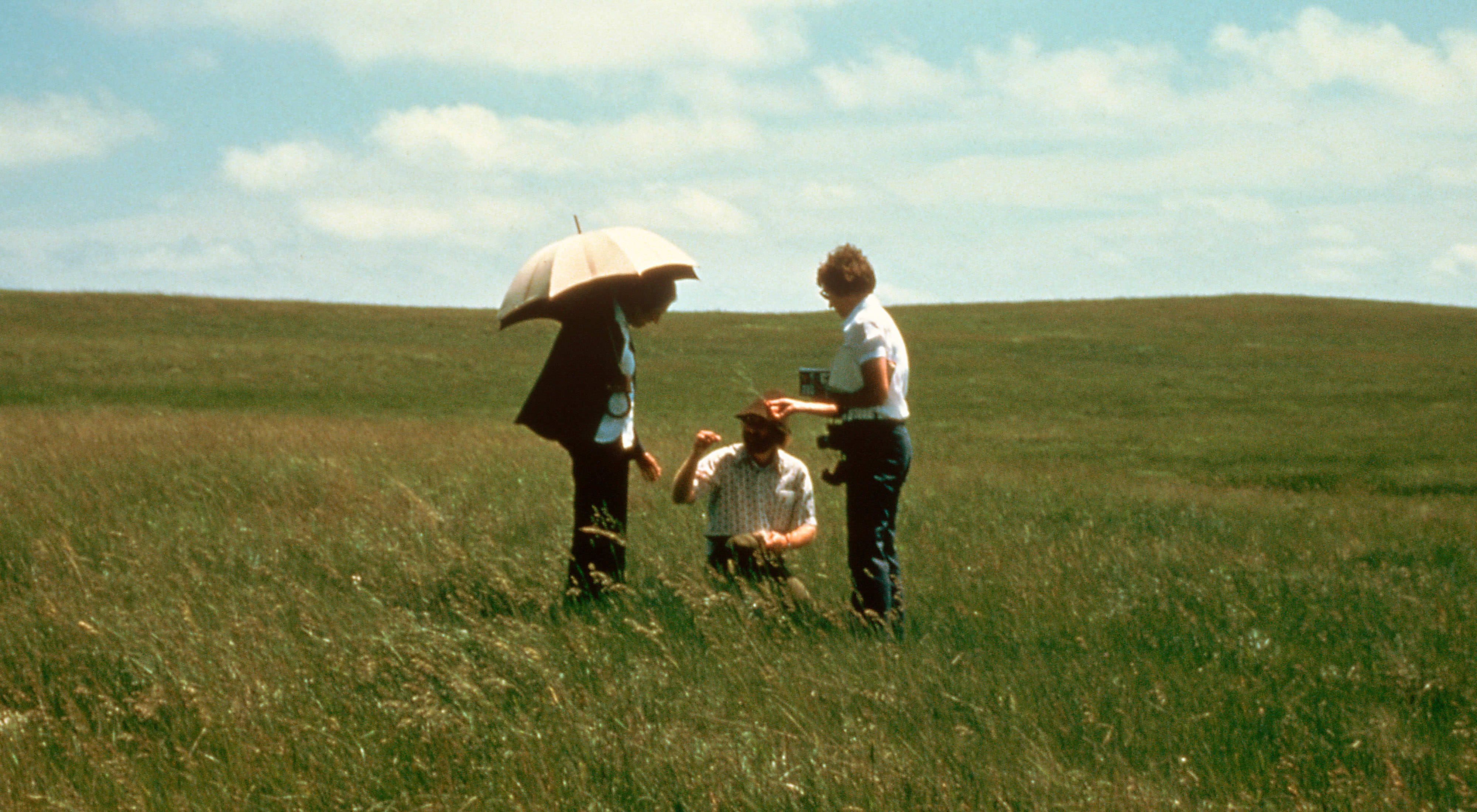
The patchwork landscape of Ordway Prairie combines grasslands and woods in a mosaic representation of millions of acres in the Midwest, where competition between forest and prairie was intense. On top of Ordway's sharply rolling, glacially-deposited hills lies dry hill prairie. Visitors can enjoy a grand view of this prairie from the top of the hill at the historical marker. In late spring of some years, the tiny flowers of blue-eyed grass wash a light blue color over the steep grassy slopes in the southern and eastern parts of the preserve. As the bloom of blue-eyed grass fades through June, sweeps of prairie submerge the hills with a yellow glow, an especially wonderful sight on sunny days through early July.
Location
Pope County, west central Minnesota
Size
656 acres
Why the Conservancy Selected This Site
The relatively undisturbed quality of Ordway Prairie's grasslands and wetlands attracted the Conservancy more than 30 years ago. Expanding towns and continuing agricultural pressure have made this site's protection a priority.
What the Conservancy Has Done/Is Doing
Ordway Prairie was assembled in the 1970s from land purchases and trades financed with funds provided by Katharine Ordway, who actively supported the preservation of outstanding prairie in Minnesota and throughout the Great Plains. Today, sections of the preserve are burned periodically to control smooth sumac, quaking aspen, and Kentucky bluegrass. Sumac and aspen must be further controlled by cutting and girdling. Ordway Prairie's five acres of fen are especially difficult to protect from woody encroachment. The fens' extreme wetness can prevent fire from being effective in controlling woody plants.
What to See: Plants
A good population of Hill's thistle (a species of state special concern) grows in the prairie, along with three grama grasses, prairie dropseed, prairie turnip, purple coneflower, prairie phlox, blazing stars, and asters. Scattered between the hill prairies are wetlands, including ponds, marshes, wet prairie, flooded willow thickets, and calcareous fens. Rare species in these wet areas include sterile sedge and whorled nut-rush (both listed as threatened) and white lady's slipper (a species of special concern).
What to See: Animals
Ordway is home to snails such as Vertigo tridenta, and butterflies like the Poweshiek skipper and regal fritillary (both species of special concern).
For more information on visiting this and other Minnesota preserves, check out our Preserve Visitation Guidelines.
From Brooten:
Nearest services are six miles south in Sunburg, seven miles northeast in Brooten, or northwest in Glenwood. Also nearby are the Wildlife Management Areas of Oleander and Little Jo to the southeast and Skarpness and Bargor to the north.
Have you been to this preserve? Are you thinking of visiting? See what others are saying about their experiences and add your comments below.
Time for you to join the discussion. Tell us about your experience at this preserve. What plants and animals did you see? When did you go? You can help others plan their visit when you share your thoughts. And thank you for visiting one of our nature preserves!
Whether scary or exciting, nature has a way of sneaking up on you. See stories
Hear some of nature's success stories and see how nature matters to us all. Watch videos