
Michigan

- Phone: 517-316-0300
- Email: michigan@tnc.org
-
Follow


Great Lakes, Great Beaches
These five beautiful Great Lakes beaches offer a great view and preserve Michigan's diverse coastal habitats.

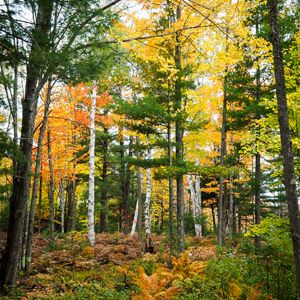
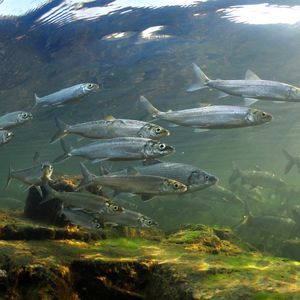
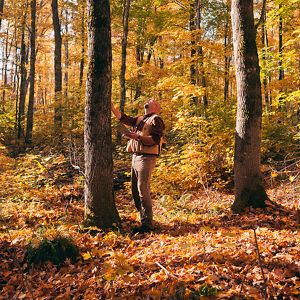
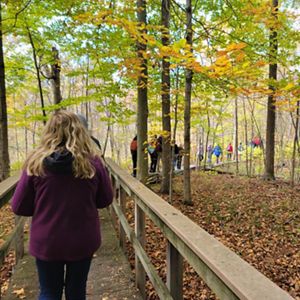
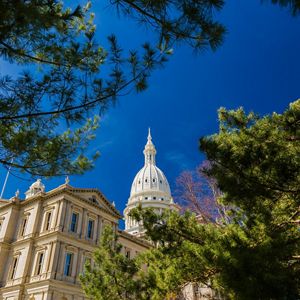
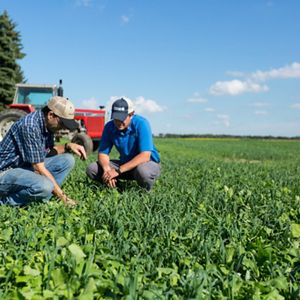

Celebrating Wins for Nature in the Midwest
Explore inspiring Midwest wins—stories of habitat protection and restoration, species revival and clean energy, all powered by collaboration and community.
Stories from Michigan

Stunning Michigan Hikes
From short day hikes to epic treks, these trails wind through Michigan’s most unique natural phenomena.

Bats, Not Boogeymen: How TNC Is Protecting Michigan's Winged Nightlife
Bats aren't spooky; they're vital. Discover why The Nature Conservancy is protecting Michigan's bats and how we protect them.

Celebrating 20 Years of The Big U.P. Deal
Two decades later, its impact is still felt across the Upper Peninsula.
We Can’t Save Nature Without You
Sign up to receive monthly conservation news and updates from Michigan. Get a preview of Michigan’s Nature News email.

Stories from Our Scientists
Explore the science behind our work from our team of scientists in Michigan.

Great Lakes Invasive Species
- Gust Annis Conservation Scientist
Experts from Michigan, Wisconsin and New York recently traveled to New York’s Irondequoit Bay on Lake Ontario and to Buffalo, New York on Lake Erie to conduct aquatic invasive species (AIS) surveys.

Restoring Great Lakes Reefs
- Matt Herbert Senior Conservation Scientist
You might think we know everything there is to know about our Great Lakes—a focus of science and management for many years—but we still have a lot to learn. Especially underneath the surface. This is the case for Great Lakes reefs.

Planning for People
- Stephanie Kyriakakis Conservation Scientist
A team of scientists at TNC are using data to connect people to nature and science. Learn how they selected social and economic indicators for coastal conservation to track progress toward our goals in Michigan.

Great Lakes Restoration Initiative
- Matthew Jurjonas, Ph.D. Bailey Conservation Fellow
Have you heard of the Great Lakes Restoration Initiative (GLRI)? Bailey Conservation Fellow Matthew Jurjonas, Ph.D. explores his work researching the human well-being aspects of GLRI during this guest blog.

iNaturalist BioBlitz
- Stephanie Kyriakakis Conservation Scientist
In honor of Earth Day, community scientists gathered to collect observations of nature at the Nan Weston Nature Preserve at Sharon Hollow. Explore their findings in this blog post.

Michigan the Beautiful
- Autumn McGowan Conservation Fellow
Michigan is home to a variety of nature-based activities all year long. From hiking, fishing, skiing and birding, Conservation Fellow Autumn McGowan explores how outdoor recreation plays a big part in our individual lives and provides value to the Michigan economy.

Day in the Life: A Summer with TNC
- Autumn McGowan Conservation Fellow
As a conservation fellow with TNC, Autumn McGowan has the opportunity to participate in a lot of projects over her two-year term. From reef monitoring to a field trip to a fen, here's a behind-the-scenes look at her experience.

The Keweenaw Inventory Project
- Doug Pearsall, Ph.D Senior Conservation Scientist
When TNC purchased the 32,541-acre Keweenaw Heartlands in late 2022, we did so recognizing that we would need to learn much more about the property in order to manage it effectively. To fill this information gap, we designed an inventory more comprehensive than any in the history of TNC in Michigan, covering ecological and cultural features, infrastructure, and timber and carbon assets.

Places We Protect
From shifting sand dunes to granite bald mountains, explore our preserves and reserves spread across the state of Michigan. These TNC-owned lands have been protected for people and nature in perpetuity.
More from Michigan
Learn more about our team and TNC's work in the state of Michigan.
Contact our team of 50+ staff members dedicated to making a difference in Michigan.
Download our newsletter for the latest chapter updates.
Meet the community leaders that make up Michigan's board of trustees.
View our latest Annual Report.
Watch highlights from our presentations and webinars.
Make a Lasting Impact
You have the power to make a difference for the Great Lakes State and for our planet. Your support will help fund groundbreaking science and conservation activities that protect the lands and waters you love.
