
Maryland/DC

Nassawango Creek Preserve

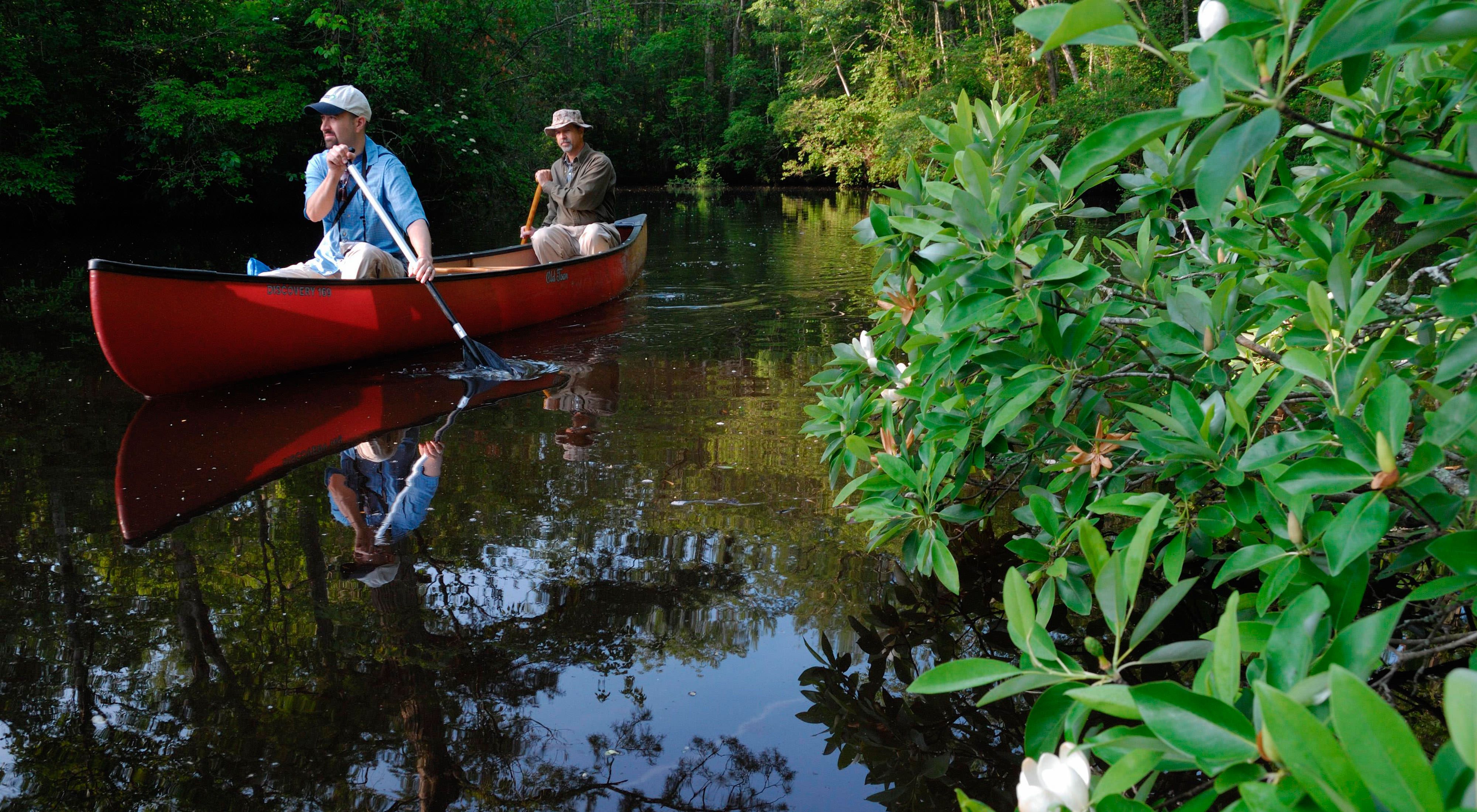
Climb into a canoe and paddle along Nassawango Creek.

With your support, the Conservancy has worked since 1978 to protect 14,787 acres of majestic bald cypress swamps and upland forest along Nassawango Creek — 9,953 of which is the Conservancy's preserve. Will you help us continue this work? 

One of the Norternmost Bald Cypress Swamps

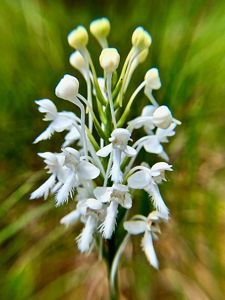
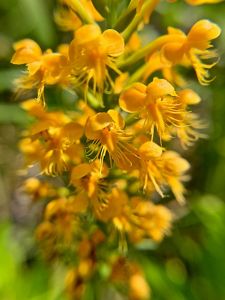
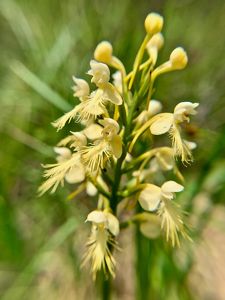
Nassawango is home to an abundant array of wildlife and native plants, including many species of orchids and warblers.

This tannin-stained waterway is steeped in early American history and one of the most beautiful and tranquil places in Maryland. From Maryland’s Eastern Shore, Nassawango Creek flows southward into Pocomoke River, a major tributary to the Chesapeake Bay.

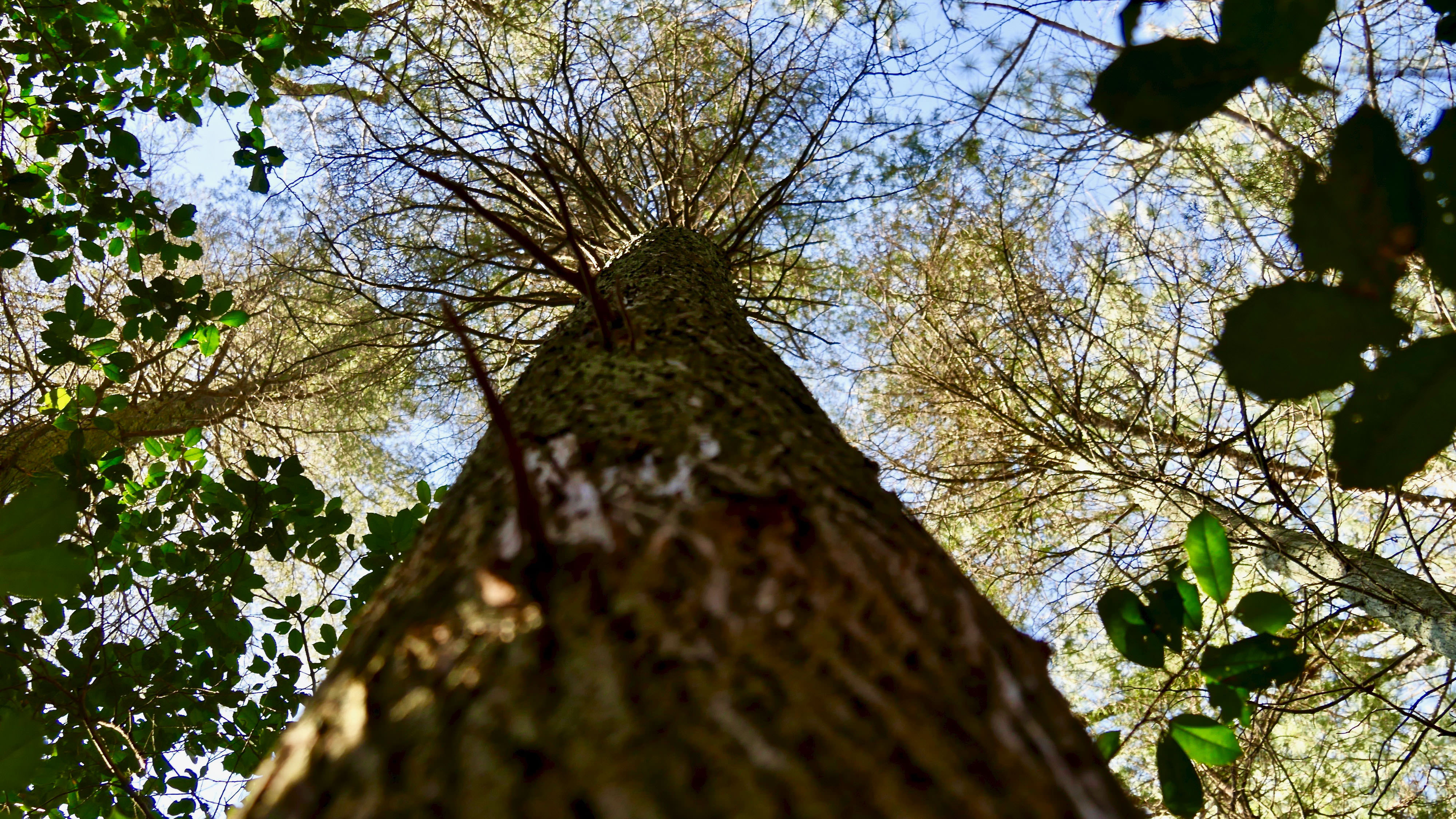
Dominated by bald cypress and black gum, the massive trees of this primeval forest envelop visitors with ample shade and security. The preserve is one of the northernmost remaining examples of a bald cypress swamp.

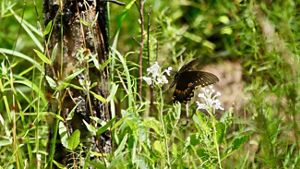
With more than 60 recorded species of migratory birds, such as the scarlet tanager, yellow-throated vireos and prothonotary warbler, there’s no doubt that Nassawango Creek is a critical stopover point for migratory birds.

Nassawango Creek abuts portions of Pocomoke State Forest, a nearly 15,000-acre forest of loblolly pine and cypress swamps. Large, intact forests also serve as corridors for large mammals, such as deer, and help sustain the overall health of the forest by allowing the forest to survive and recover from destructive events such as hurricanes and wild fires. Along the boundary of Nassawango Creek Preserve is Furnace Town, an historic village.

Marked by maturity, ecological integrity and relative scarcity of harmful invasive plants and animals, bobcat, mink, fox and a host of interior forest nesting bird species thrive here. Rare plants such as pink lady’s slipper, cardinal flower and Indian pipe color the forest floor.

Current Conservation At Work
  • The Conservancy planted 120 native saplings, a mixture of persimmon and pin oak trees, on a former farm field at Nassawango Creek. The trees, donated to the Conservancy from U.S. Fish & Wildlife Service, are good food sources for migratory birds. Once fully grown the trees planted also will help reduce the instance of noxious weeds and provide better connected forests in the preserve.
  • Learn about the role of prescribed fire in the landscape in this radio interview with conservation ecologist Deborah Landau.
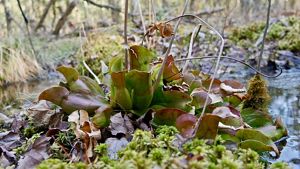
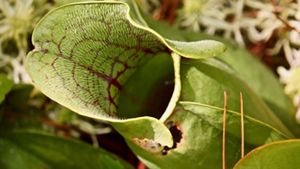
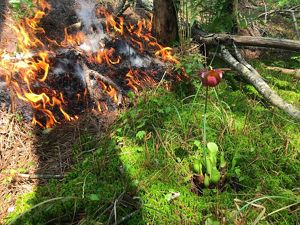
  • At several bogs deep within the preserve, our stewardship staff and volunteers have worked tirelessly to thin encroaching hardwoods to make room for native vegetation. We have already seen a resurgence of pitcher plants, rare grasses and rare sedges growing in the bog.
  • We completed an extensive bird and vegetation survey to guide our future restoration work and to aid our conservation partners in their habitat classification efforts.
  • In January 2009, the Conservancy negotiated the organization’s largest-ever transaction in Maryland to protect the 4,769-acre Foster property — a sound investment that will produce ecologic, cultural and economic dividends far into the future. Read more about the Foster tract
  • Since 1979, the Nassawango Stewardship Committee has maintained the frontlines of the preserve and is one of the oldest committees in all Nature Conservancy properties throughout the world. To be a part of this dynamic committee, please contact Joe Fehrer, preserve manager, as jfehrer@tnc.org.

We’re grateful for the enthusiastic support for our efforts at Nassawango! Will you renew your commitment today?


Nassawango Creek Audio Tours - New!

Planning a visit to Nassawango Creek Preserve? Before your trip, download our self-guided audio tour to your handheld device. It's like having a naturalist there with you in person! We have two tours available: the Johnston Tract and the Leifer Trail.

1) Johnston Tract Audio Tour

In this audio tour, the Conservancy's Deborah Landau, conservation ecologist, describes our prescribed burn program, Atlantic white cedar restoration and the importance of giving back to the community through certified forestry operations.

Step 1: Download the Johnston Tract audio tour map. This map will help identify which audio tracks to play based on your location on the trail, so make sure to take a copy with you on your trip.


Step 2: Download and save each of the below mp3 files to your handheld device. Play the corresponding track when you reach a waypoint along the trail. Listen to them all or pick & choose based on your interests!

  1. The Johnson Tract
  2. Bridge over Ditch
  3. Atlantic White Cedars
  4. Laura Bankey on Atlantic White Cedars
  5. Deer and Restoration
  6. Fires
  7. Left and Right
  8. Thinning

2) Leifer Trail Audio Tour

In this audio tour, the Conservancy's Deborah Landau, conservation ecologist, discusses hundreds of years of human and natural history at Furnacetown.

Step 1: Download the Leifer Trail audio tour map. This map will help identify which audio tracks to play based on your location on the trail, so make sure to take a copy with you on your trip.


Step 2: Download and save each of the below mp3 files to your handheld device. Play the corresponding track when you reach a waypoint along the trail. Listen to them all or pick & choose based on your interests!

  1. Furnace Town
  2. The Furnace Habitat
  3. Paul Leifer Trailhead
  4. Mining
  5. Pink Lady's-slippers
  6. Floodplain
  7. Bald Cypress
  8. Furnace Canal and Xeric Dunes
  9. Why We Love Our Volunteers

(All files are .mp3 and should download automatically once clicked. If you have trouble downloading, right-click each file and then select 'Save')

If you have any questions about visiting the preserve, please call Joe Fehrer at  (410) 632-4761.

Things To Do

What to See: Plants

  • Nassawango is home to an abundant array of native plants, including rare plants such as pink lady’s-slipper, cardinal flower and Indian pipe. A diverse forest of bald cypress, black gum and loblolly pine trees dominate this upland forest.

What to See: Animals

  • With more than 60 recorded species of migratory birds, such as the scarlet tanager, yellow-throated vireos and prothonotary warbler, there’s no doubt that Nassawango Creek is a critical stopover point for migratory birds. Bobcat, mink, deer and fox also thrive here.
Plan Your Visit
  • Bring plenty of drinking water, sun protection (sunscreen, hat, sunglasses), rain gear, and bug protection. Binoculars, field guides, and a camera may be useful.
  • Pets are not allowed on Conservancy preserves or field trips.
  • Smoking is not permitted.
  • Please do not remove any plants, animals, or rocks.
  • Wear socks and waterproof shoes. Wearing light colors will help you spot and remove ticks.
  • Please help us maintain this unique natural environment by taking home everything that you bring, including biodegradable materials.
Directions

From Baltimore/Washington
Take Route 50 east across the Bay Bridge to Salisbury.  From Salisbury, go south on Route 12 towards Snow Hill; run right onto Old Furnace road.  Travel about a mile and you'll find Furnace Town on the left.  Park and check in at the visitor center if it is open.  The Paul Leifer Trail begins just beyond the old brick furnace at the south end of the village.

Directions for Canoeists and Kayakers
From Baltimore/Washington, follow directions above to Snow Hill.  Instead of turning onto Old Furnace Road, continue on Route 12 for one mile farther south and turn right onto Red House Road.  After about one mile, park along the road shoulder near the designated parking sign and just before a small bridge.  If you reach a point where the road splits, you have gone too far!  Park along the side of the road where the creek goes under the bridge.  Launch your canoes and kayaks from this side of the creek, right by the green Nature Conservancy Nassawango Creek Preserve sign. Two yellow "Nature Sanctuary" signs also mark this area.

Discussion

Have you been to this preserve? Are you thinking of visiting? See what others are saying about their experiences and add your comments below.

Add Your Comments

Time for you to join the discussion. Tell us about your experience at this preserve. What plants and animals did you see? When did you go? You can help others plan their visit when you share your thoughts. And thank you for visiting one of our nature preserves!

Read our guidelines on posting comments

Read More

Close Encounters with Nature

Nature Matters

Explore Related Content

Maryland Preserve Guidelines
Volunteer with The Nature Conservancy