
We're working with you to make a positive impact around the world in more than 30 countries, all 50 United States and your backyard. Support our work
Yes
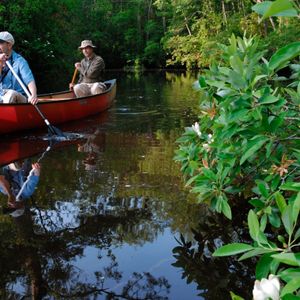
Take a trip to this preserve for canoeing and birdwatching! View All
Access to the wetlands is permitted by small boats only. View All
Why You Should Visit
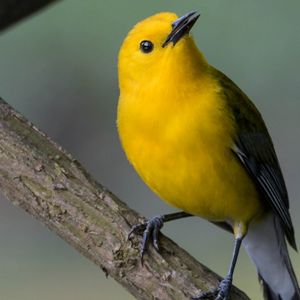
A survey of natural areas by the Smithsonian Institution ranked this marsh system as one of the most important Chesapeake Bay natural areas. King’s Creek, an undisturbed, brackish marsh, is unusually rich in plant species and bird life.
Location
About two hours east of Washington, DC.
Why the Conservancy Selected This Site
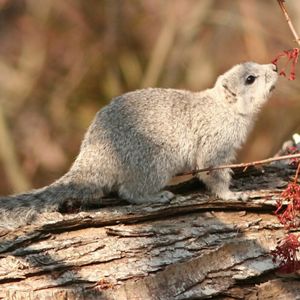
For its diverse flora and fauna and as habitat for nesting waterfowl and spawning fish.
What the Conservancy Is Doing Here
What to See: Plants
What to See: Animals
Get the Most from Your Visit
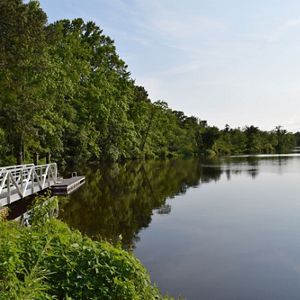
From the Baltimore/Washington area, take Route 50 east across the Bay Bridge to Easton. Turn left (east) onto Route 331/Dover Road towards Preston. Continue 2.1 miles and turn left onto Black Dog Alley Road and then immediately turn right onto Kingston Road. Continue until the road ends at a T-intersection (3.7 miles). Turn right, and drive 0.7 miles to Kingston Landing where you can put your boat. Go downriver (southwest) to the first creek on your right (King’s Creek). Follow the creek upstream (northwest) to the boat dock on your left (there is no boat ramp). Please note that our boardwalk is closed.
For more information on how to visit Choptank Wetlands, please contact the Maryland/DC Chapter office at (301) 897-8570.
Have you been to this preserve? Are you thinking of visiting? See what others are saying about their experiences and add your comments below.
Time for you to join the discussion. Tell us about your experience at this preserve. What plants and animals did you see? When did you go? You can help others plan their visit when you share your thoughts. And thank you for visiting one of our nature preserves!
* Required Fields
We need to act now, before it's too late. Watch the Video, Take Action
We're addressing Latin America's most pressing conservation issues. Read the Story