
We're working with you to make a positive impact around the world in more than 35 countries, all 50 United States and your backyard. Support our work
Yes
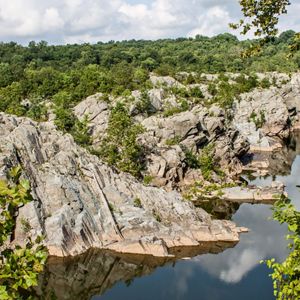
The Potomac Gorge serves as a rare meeting place for species from different places and altitudes. View All
The preserve is open year-round during daylight hours. View All
On the outskirts of Washington, D.C., the Potomac River passes through a landscape of great ecological significance and stunning beauty. With your support, the Conservancy has worked for more than 50 years to protect and restore the 9,700-acre Potomac Gorge natural area.
We’re grateful for your enthusiastic support of our efforts. Will you help us continue this vital work?
Why You Should Visit
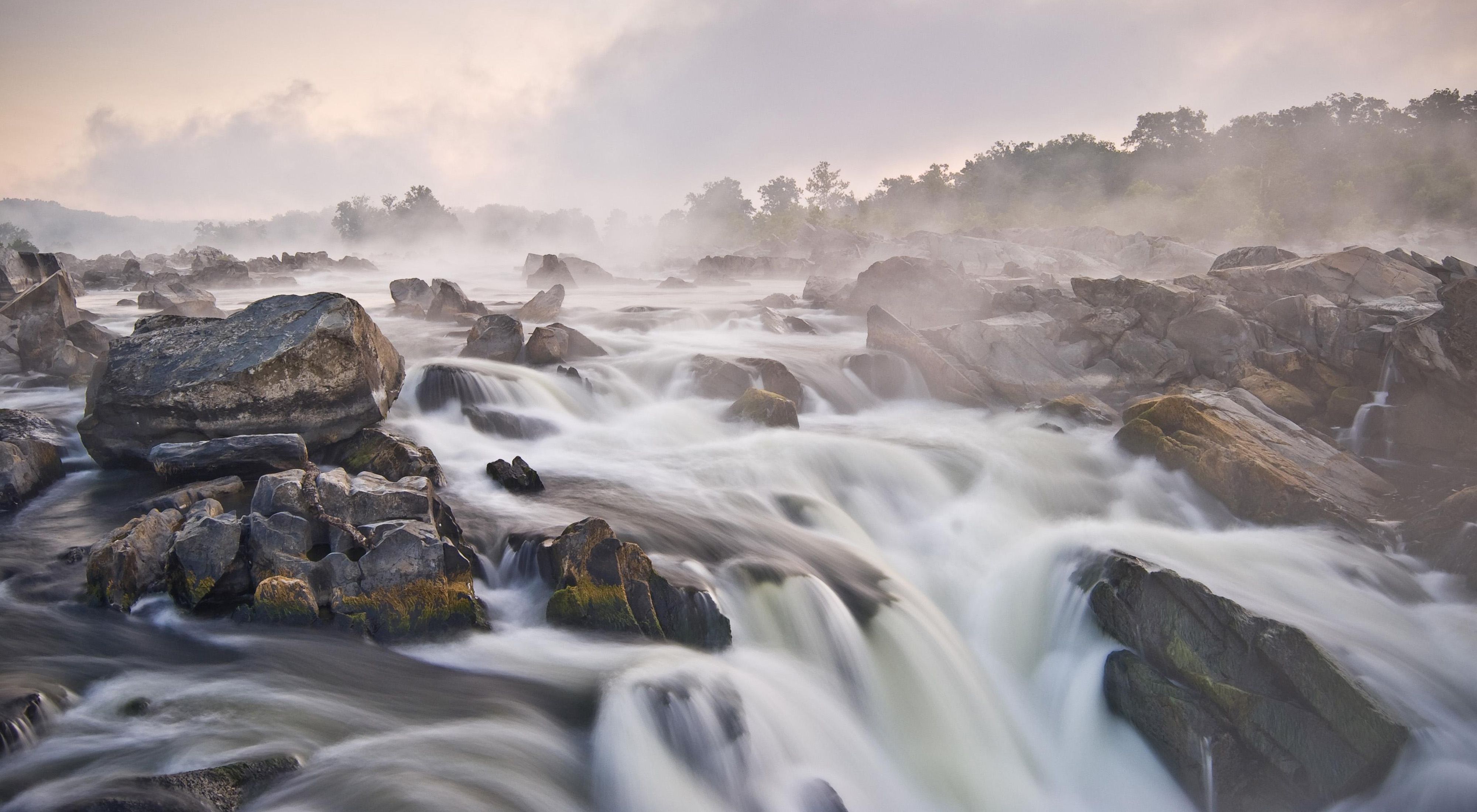
Over many millennia, a rare combination of natural forces carved the unique Potomac Gorge. Running from Great Falls to Georgetown, this 15-mile section of the Potomac River is one of the most ecologically significant natural areas within our entire National Park System.
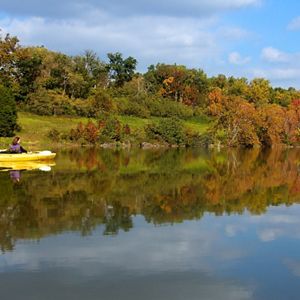
Hundreds of thousands of annual visitors — hikers, runners, bikers, fishermen, photographers and paddlers — enjoy the beauty of the Potomac River and the C&O Canal National Historical Park towpath.
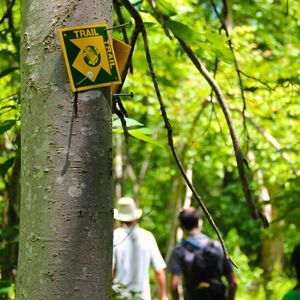
The Potomac Gorge site features the popular Billy Goat Trail: two miles of strenuous hiking along Bear Island, which the Conservancy and National Park Service own and manage cooperatively.
The preserve is open year-round during daylight hours.
Location
Just northwest of Washington, D.C.
Access point for Bear Island
Great Falls Tavern
11710 MacArthur Blvd, Potomac, MD 20854
(301)767-3714
Why the Conservancy Selected This Site
The National Park Service invited The Nature Conservancy to help manage the incredible ecological diversity of the Potomac Gorge. The Conservancy and NPS co-own and co-manage Bear Island.
The Conservancy also manages 10-acre Offutt Island, located in the heart of the Potomac Gorge. Offutt Island is accessible only by boat and is currently closed to the public.
What the Conservancy Is Doing Here
The Conservancy works in partnership with the National Park Service, the George Washington Memorial Parkway, state agencies and other private conservation groups to protect the lands and waters in the Potomac watershed through land acquisition, by restoring important habitat areas, and by increasing understanding of how much water the river needs and when those flows are needed to fulfill wildlife and habitat needs.
With the help of volunteers, the Conservancy also works to control invasive species.
Downloads (pdf)
Billy Goat Trail Audio Tour - New!
Planning a visit to the Potomac Gorge's Billy Goat Trail? Before your trip, download our self-guided audio tour to your handheld device. It's like taking along your own personal naturalist!
During your audio tour, the Conservancy's Mary Travaglini and Deborah Barber discuss local geology, rare species, river hydrology and our partnership with the National Park Service.
Step 1: Download the Billy Goat Trail audio tour map. This map will help identify which audio tracks to play based on your location on the trail, so make sure to take a copy with you on your trip.
Step 2: Download and save each of the following mp3 files to your handheld device. Play the corresponding track when you reach a numbered waypoint along the trail. Listen to them all or pick & choose based on your interests!
(All files are .mp3 and should download automatically once clicked. If you have trouble downloading, right-click each file and then select "Save")
Take a virtual hike with us along this rugged and beautiful trail on Bear Island.
Add a little color to your computer's desktop with a Potomac Gorge wallpaper.
See how Mary Travaglini and Jamie Weaver mobilized hundreds of volunteers to help restore habitat in the gorge.
Stephanie Flack, project director for the Potomac River, at the Potomac Gorge, Maryland. © Blue Legacy/Oscar Durand
The Conservancy's Stephanie Flack discusses the Potomac River's importance to wildlife and people in the Washington, D.C., metro region.
What to See: Plants & Animals
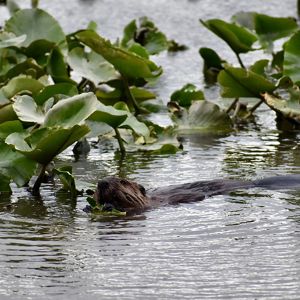
Despite its proximity to our nation's capital and urban bustle, the Potomac Gorge provides an unusual meeting place for plants and animals from different places and altitudes. The end result is 15 globally rare species, 100 state-rare species and 30 different plant communities existing within the gorge. Put simply, the Potomac Gorge has one of the nation's highest concentrations of globally rare natural communities.
Before You Go
Get the Most from Your Visit
Fees
Vehicle
$5.00 per car - 3 Days
$20.00 annual pass
Cyclist/Walker
$3.00 - 3 Days
$20.00 annual pass
*If you have a National Parks pass, entry is free.
Additional Contacts
Trail maintainers: Potomac Appalachian Trail Club and the C&O Canal Association have volunteer events to help in the Potomac Gorge.
Tick and Mosquito Alert
When you get home, plan to drop your clothing directly in the laundry and complete a tick check before you shower. Deer ticks, the type that carry lyme disease, are about the size of a pinhead and tend to attach in hair, under ears, underarms, trunk of the body, groin, and backs of the knees. Remove them by gently pulling with tweezers and wipe the skin near the bite with a mild disinfectant. If, within 7-10 days after exposure, you experience a rash (especially an expanding "bull's eye" rash), chills, fever, headache, stiff neck, fatigue, swollen lymph nodes and/or aching joints and muscles, contact your doctor. You can find more information on lyme disease at lyme.org or aldf.com, or by calling the Center for Disease Control and Prevention at (404) 332-4555.
From Washington
Take MacArthur Boulevard north. At intersection of MacArthur Boulevard and Falls Road, go straight and follow signs to C&O Canal National Historical Park.
From Baltimore (I-695)
Take I-95 south to I-495 west towards Bethesda. Continue on I-495 towards Virginia at split with I-270. Take River Road exit north. At intersection of River Road and Falls Road in Potomac, take a left (west). Falls Road ends at a "T" intersection. Take a right to enter C&O Canal National Historical Park.
To reach Bear Island from the visitor center.
Walk 0.5 miles south on the towpath. Just before reaching the wooden bridge, turn right onto the Billy Goat Trail. Follow the blue blazes on trees and stones. The 2-mile trail ends at the towpath on the south side of the island. Walk 2 miles
Have you been to this preserve? Are you thinking of visiting? See what others are saying about their experiences and add your comments below.
Time for you to join the discussion. Tell us about your experience at this preserve. What plants and animals did you see? When did you go? You can help others plan their visit when you share your thoughts. And thank you for visiting one of our nature preserves!
Whether scary or exciting, nature has a way of sneaking up on you. See stories
Hear some of nature's success stories and see how nature matters to us all. Watch videos