

Taking on Maryland's Invasive Species
Help protect the lands you love by learning about some of the invasive plants commonly found in the Chesapeake Bay watershed.

Invasive species are one of the top threats to our natural heritage, along with habitat loss and degradation. Invasive plants can displace native species, eliminate food and habitat for wildlife, alter natural fire regimes and nutrient cycling in soils and inhibit native plant regeneration.

What is an invasive plant?
Invasive plants are usually nonnative species that have been introduced intentionally or by accident and spread from human settings into natural areas with negative effects to our economy, environment or health.
Free from the plant-eaters and parasites that keep them in check in their native ranges, they reproduce rapidly and spread aggressively, taking over natural areas and altering biological communities. Invasive plants have been referred to as a form of biological pollution.
Why should you be concerned?
In the U.S. alone, invasive species cost over $120 billion annually in damage and control, and the cost they inflict on our natural heritage is immeasurable.
Whether you are acting as a steward for your own property, a local park, or a far away natural area, invasive plants are likely to be a problem. In the face of such global threats to biodiversity as habitat destruction and climate change, we can each make a difference by preventing and controlling the spread of invasive species.

Learn how to identify invasive plants
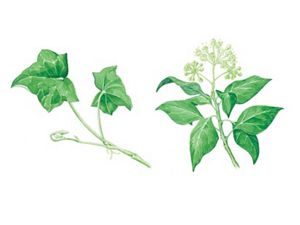
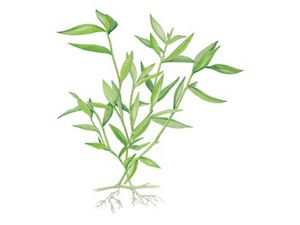
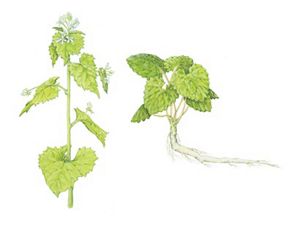
The illustrations below will help you identify 10 of the most prevalent and problematic invasive plants in our region and how to control them. You can also participate in plant walks, weed control workdays and invasive species trainings offered by local groups.
Spread the word, not the weed
Seeds of invasive plants are well adapted to spreading and easily hitchhike to new environments. Weed seeds can be carried in soil trapped in shoe or tire treads, in the soil of transplanted plants, in hay or straw used to stop erosion or feed animals, or even on your pant legs. Please help prevent new invasions by cleaning soil from your shoes and the tires of vehicles that may be driven into natural areas.

What you can do at home and in your parks
Learn about the plants on your property. Do you have invasive plants? Do the invasive plants overwhelm the native plants? Consider removing invasive plants from your yard and garden, and replace them with non-invasive and native plants in your landscaped areas.
Don’t feel like you have to do it all at once; remove and replace invasive plants as your time and budget allow. Every little bit helps.
Local groups and park managers host year-round volunteer work parties, so consider lending a few hours to help protect and restore your favorite parks and natural areas. Removing invasive plants is a healthy form of outdoor exercise suitable for all ages, and it’s rewarding work.
Putting Down Roots with Native Plants
Learn MoreBecome an educated consumer
Don’t purchase or transplant invasive plants. Ask plant sellers before you buy, to be sure the plant you want is not invasive and ask for alternatives if it is. Take the Recommended Landscape Alternatives to Invasive Plants wallet guide with you to your nurseries and show them some examples. You can get more ideas for your yard and garden from our online native plants guide. Our garden guide will help you choose plants native to the mid-Atlantic region, supporting pollinators and biodiversity.
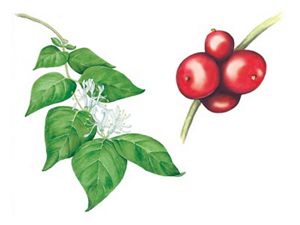
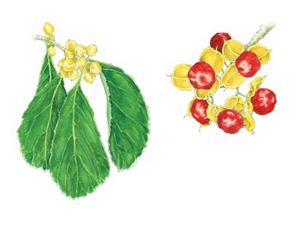
Bush honeysuckle: (Lonicera maackii, L. morrowii, L. tartarica) In natural areas, cut the plants close to the ground. In gardens, pull or dig up plants, removing all root fragments. © Rachel Rogge
English ivy: (Hedera helix) On trees, cut a section of vine near the base and pry from the tree to leave a gap. In gardens, pull or dig up all root fragments of groundcover. © Rachel Rogge
Japanese stiltgrass: (Microstegium vimineum) Its shallow roots make stiltgrass easy to pull up. Remove several times each summer to encourage new seeds to grow and thus exhaust the seed supply. © Rachel Rogge
Garlic Mustard: (Alliaria petiolata) To remove, pull gently to dislodge the root, preferably when the soil is moist. Discard flowering and seeding plants with your garbage. © Rachel Rogge
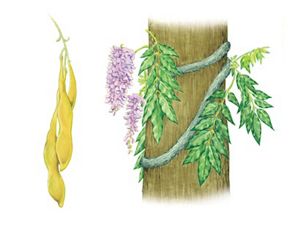
Exotic wisteria: (Wisteria japonica, W. sinensis) In natural areas, cut the vines at the ground and again at eye level. Untwine the cutaway section, and leave the remainder above to dry out. © Rachel Rogge
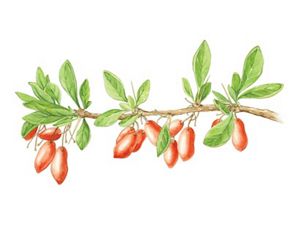
Japanese barberry: (Berberis thunbergii) In natural areas, cut the plants close to the ground. In garden settings, pull or dig up plants, removing all root fragments to prevent regrowth. © Rachel Rogge
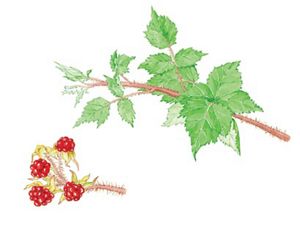
Wineberry: (Rubus phoenicolasius) In natural areas, cut the plants close to the ground and cut rooting tips. In gardens, pull or dig up plants, removing all root fragments. © Rachel Rogge
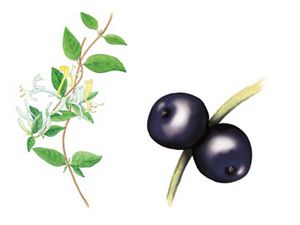
Japanese Honeysuckle: (Lonicera japonica) In natural areas, cut the vines at the ground and again at eye level. Untwine the cutaway section, and leave the remainder above to dry out and die. © Rachel Rogge
Oriental Bittersweet: (Celastrus orbiculatus) In natural areas, cut the vines at the ground and again at eye level. Untwine the cutaway section, and leave the remainder above to dry out and die. © Rachel Rogge
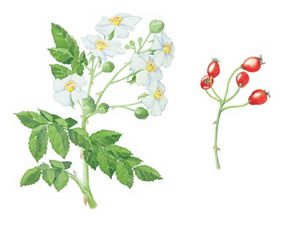
Multiflora rose: (Rosa multiflora) In natural areas, cut stems off the plants close to the ground and cut rooting tips. In gardens, pull or dig up plants, removing all root fragments. © Rachel Rogge
We Can’t Save Nature Without You
Sign up to receive monthly conservation news and updates from Maryland/DC. Get a preview of Maryland/DC's Nature News email.

Take a Closer Look

Putting Down Roots with Native Plants
Our garden guide will help you choose plants native to the mid-Atlantic region, supporting pollinators and biodiversity.

City Nature Challenge: Maryland/DC
Discover and document the biodiversity of our urban spaces.

Volunteer in Maryland and DC
Connect with nature and help make a difference in Maryland and DC.