



Description
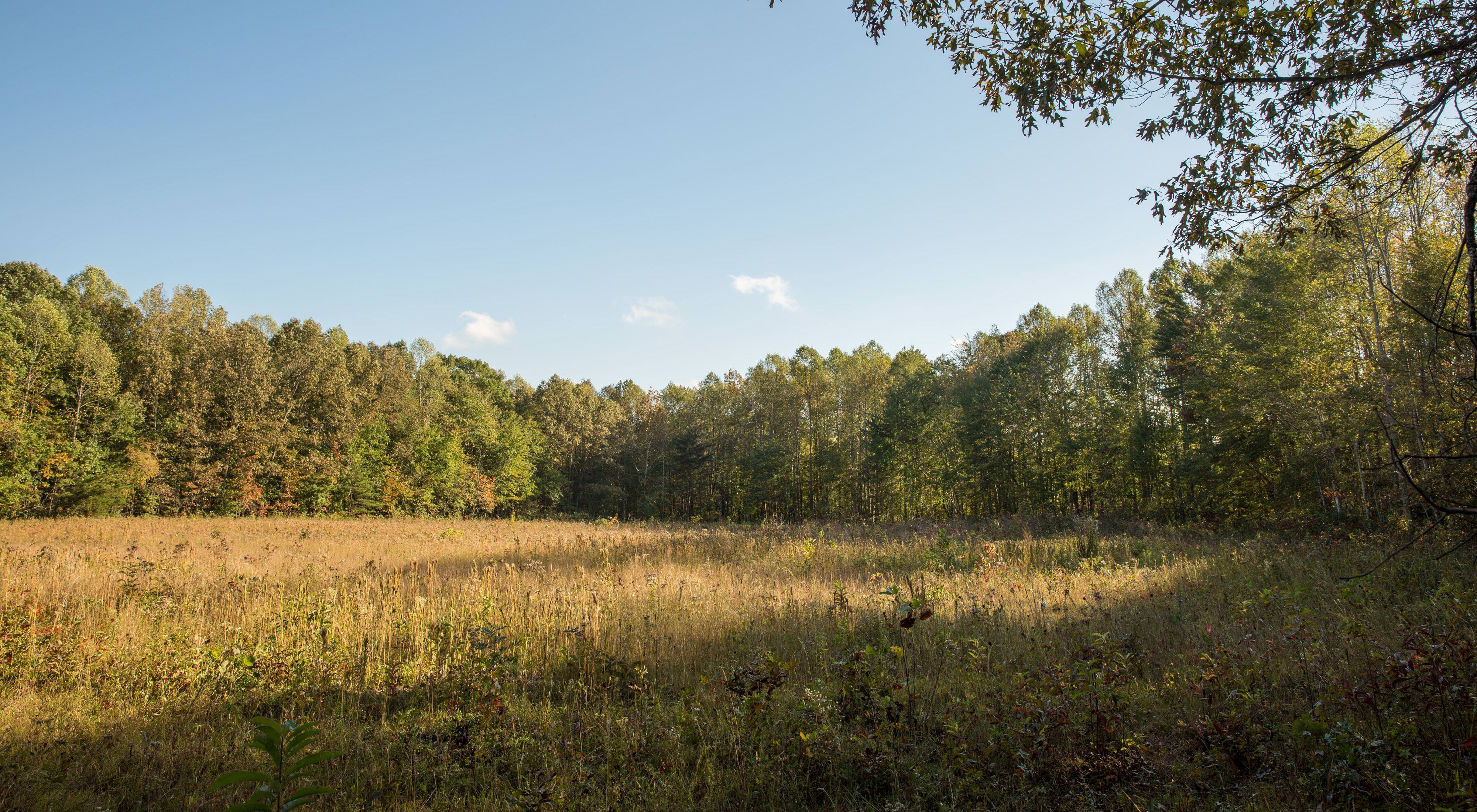
After acquiring Hazeldell Meadow in 1997, The Nature Conservancy went to work restoring one of Kentucky’s few examples of a highland rim wet barren, a unique type of prairie that boasts characteristics of both a grassland and wetland. Using prescribed burning to keep the habitat open created ideal conditions for rare plants including bushy bluestem and the carnivorous sundew uncommon to Kentucky.
TNC also utilized funds from the Natural Resources Conservation Service’s Wetland Reserve Program to plug a 1,400’ drainage ditch at the property. The action helped to restore a natural hydrology so that these plants could settle in for the long-term.
What’s At Stake
In addition to Kentucky’s only protected highland rim wet barrens natural community. and sundew plant—Kentucky’s only carnivorous plant species—the property hosts several varieties of orchids as well as St. John’s and St. Peter’s worts, beard-grass, hairy water primrose, narrow-leaved sundrops, long-leaved fall-panic grass and Southern big clubmoss. Skinks, salamanders, frogs, several varieties of snakes and a colorful array of birds can also be found here.
Threats
Wetlands such as Hazeldell Meadow are extremely rare. At one time, there might have been thousands of such wet meadows in the state, but most were drained so they could be farmed or developed.
Milestones
TNC purchased the tract in 1997 with the help from generous donations made by Dr. Julian Campbell, Randy Seymour and the East Kentucky Power Cooperative. TNC sold the property to Pulaski County in 2009 with a conservation easement to ensure it would remain permanently protected.
Action
TNC provides technical assistance to Pulaski County on the management of the area and assists with prescribed burning and mowing to maintain this rare, open community type.
Partners
Natural Resources and Conservation Service, Pulaski County Conservation District, East Kentucky Power Cooperative, University of Kentucky, Dr. Julian Campbell, Randy Seymour, Pulaski County, Kentucky Heritage Land Conservation Fund
.jpg?crop=0%2C83%2C4000%2C2500&wid=2504&hei=1565&scl=1.597444089456869)