


Description
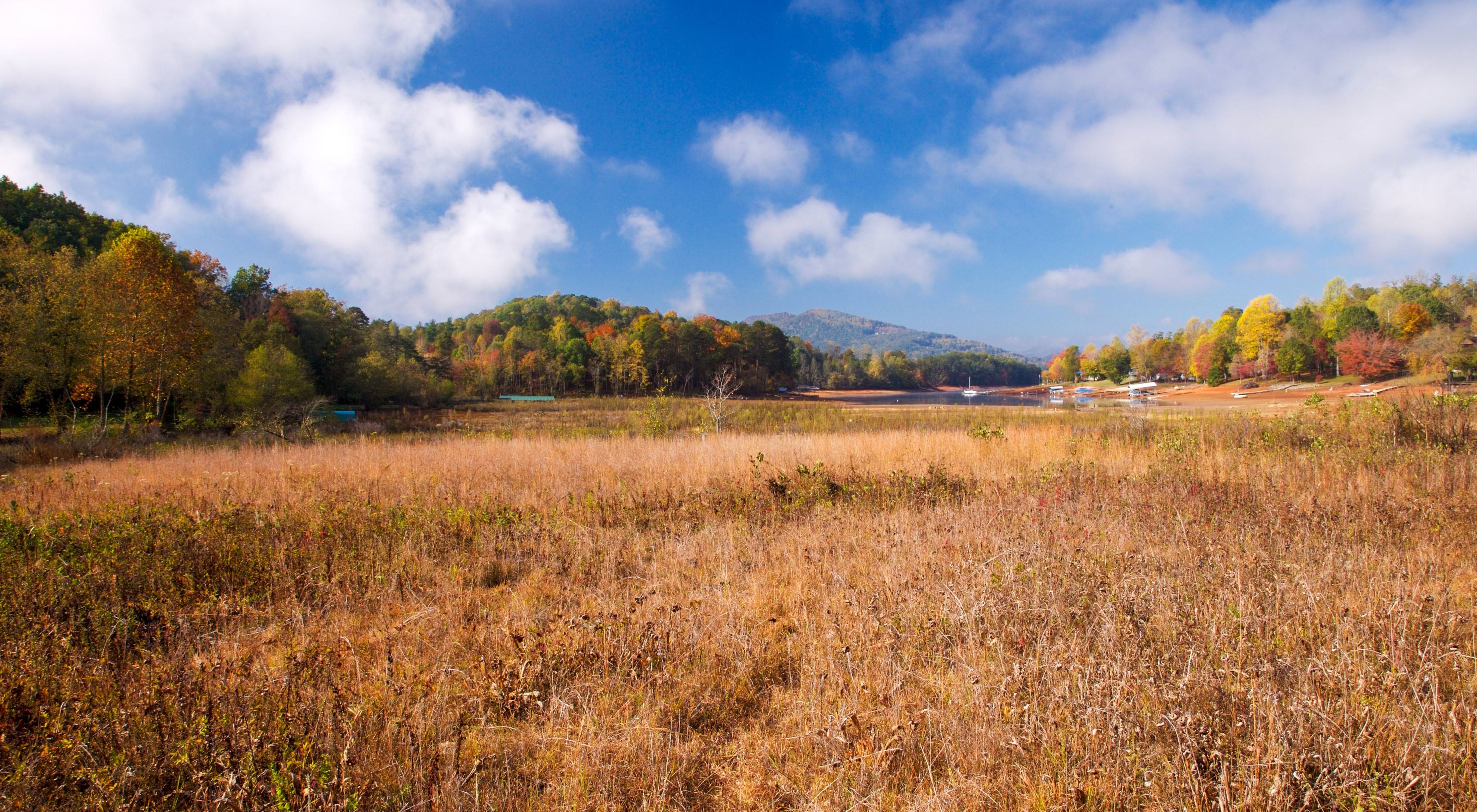
Consisting of 5 acres in Towns County on the banks of Lake Chatuge near the North Carolina/Georgia border, Reed Branch Wet Meadow Preserve is the last example of a low mountain seepage bog community in Georgia. The site is dominated by shrubs and herbs growing in shallow, acidic soil over bedrock. Water flowing over the rock often saturates the soil, seeping out of the ground. This mountain seep community is unique because it is home to a large number of plant species typical of the Coastal Plains that are usually not found in north Georgia, like sundews, colicroot and meadow-beauties.
In addition to providing habitat for rare moths, Reed Branch Wet Meadow contains the only known population in Georgia of the federally endangered green pitcher plant. Over 1,400 pitcher plant clumps grow in a single acre of the site’s boggy habitat. Stewardship staff monitors the pitcher plant population, and volunteer work parties help control non-native invasive species like kudzu, Chinese privet and multiflora rose. Because the mountain seep community is extremely sensitive, individuals are encouraged to join guided group tours, rather than visiting on their own.
Animals At Risk
- Rare moths
Plants at Risk
- Federally endangered evergreen pitcher plant
Ecosystems at Risk
- Mountain seep community
Contact Information
Due to the sensitivity of the area, individual visits are not encouraged. However, The Nature Conservancy offers guided tours of the preserve. For more information, call 404-873-6946 or email tncgeorgia@tnc.org.