

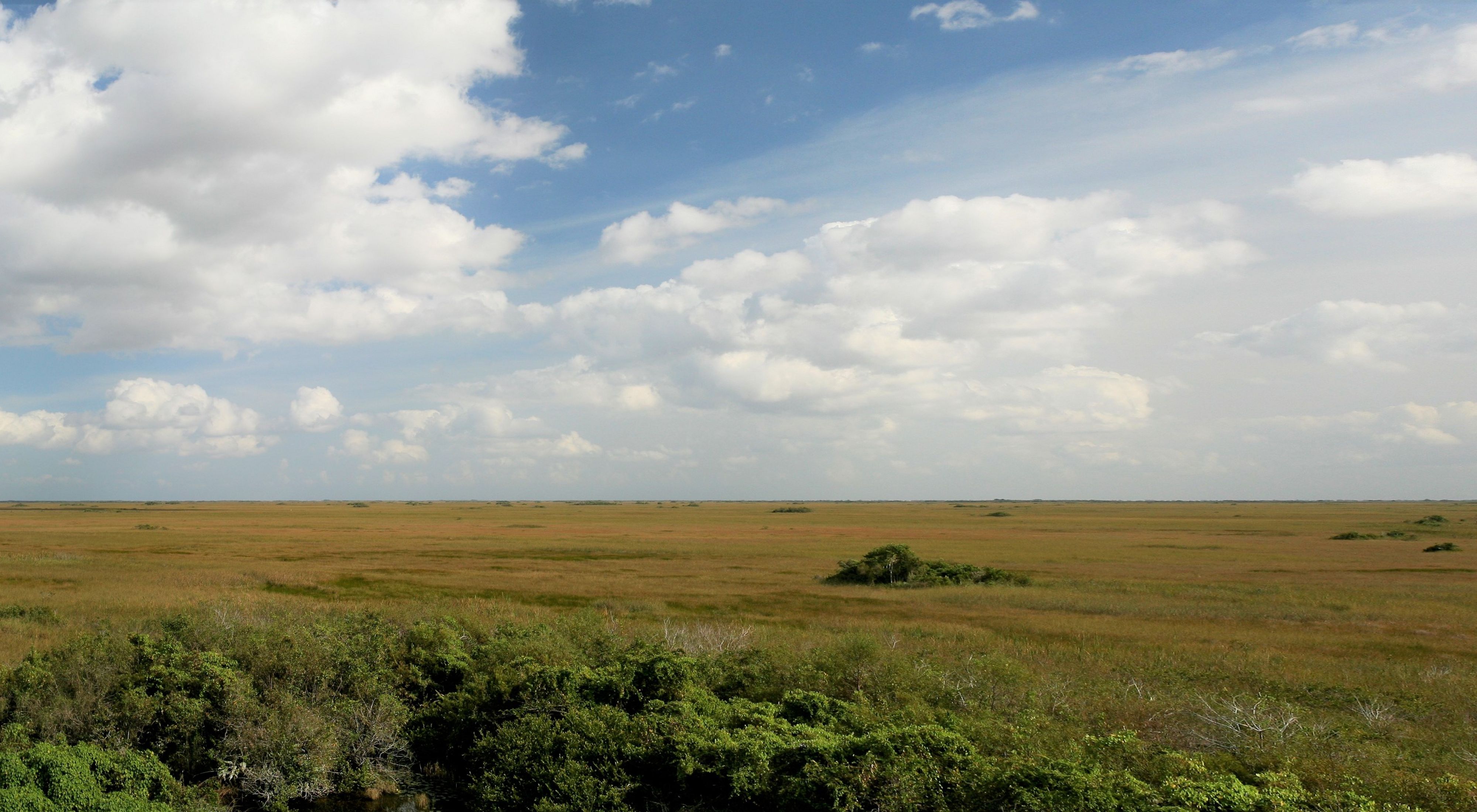
There are precious few landscapes in the United States as impressive as the Everglades, and none as definitively iconic to its home state. The Everglades is to Florida what the Rocky Mountains are to Colorado or the Finger Lakes are to New York.
Though contained entirely in Florida, its vital ecological importance resonates far beyond the Sunshine State. And because of that, the Everglades belongs to all of us.
Quote: Joe Podgor
The Everglades is a test. If we pass it, we may get to keep the planet.
Once spanning nearly 11 million acres, the Everglades has been whittled down through land conversion and drainage. What remains is a heavily altered landscape, one out of sync with Florida’s larger ecology. Changes to the Everglades affect far more than the 8 million people and countless species of animals that call the system home; they pulse outward and downstream, jeopardizing nature’s fragile balance everywhere along the course.
In addition to the consequences of years of ditching and diking, the Everglades faces ever-increasing threats from the impacts of climate change, including sea-level rise, reduced precipitation and higher temperatures.
But there’s hope for the Everglades.
Scenes From the Everglades
A look at some important species that rely on the protected lands of the Everglades to raise their young, find shelter, and forage for food.
Learn More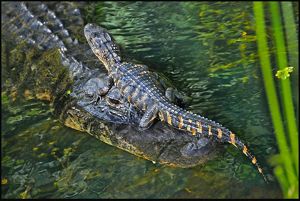
American Alligator: Mother alligator transports one of her brood. © fStop Foundation
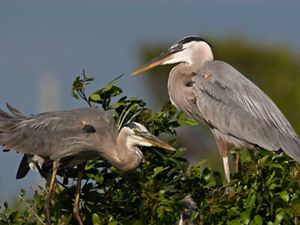
Blue Heron: Great blue herons stand in a tree and observe the wetland beneath them. . © Kent Mason
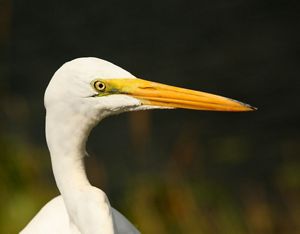
Great Egret: A great egret’s migratory range includes the Everglades © Eric Blackmore
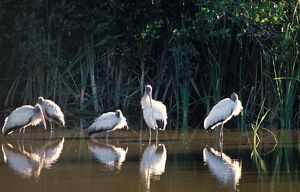
Wood Storks: Wood storks, an endangered species, in Everglades National Park in Florida. © Kevin Barry
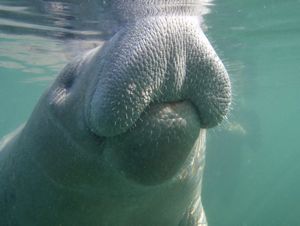
Manatee: East Indian manatee takes a breath. © Tracy Colson/TNC Photo Contest 2018
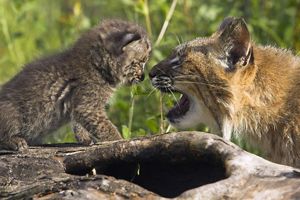
Bobcat with kitten: At just five months old, bobcat kittens will begin learning how to hunt. © Bilagentur Zoonar
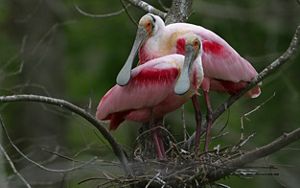
Roseate Spoonbill: Two roseate spoonbills sit in a nest in a tree. © Patti Ardoin
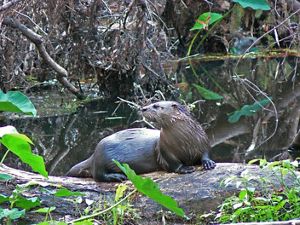
River Otter: River otter sits on a downed tree surveying their territory. © John C. Winfree/TNC
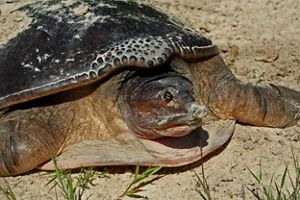
Florida Softshell Turtle: A softshell turtle basking in the sun. © Erica La Spada/TNC
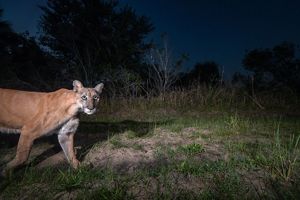
Florida Panther: The big cat stands poised for action. © fStop Foundation
For more than five decades, TNC and partners have been working to protect this critical system. To date, that work has resulted in the protection of more than 360,000 acres, mostly within a 170-mile swath of working cattle ranches, longleaf pine savannahs and seasonal wetlands in the northern end of the system. At the center of these efforts is the 11,500-acre Disney Wilderness Preserve in Kissimmee near the headwaters of the Everglades, where we’re developing and sharing best practices for restoration of former ranchlands.
Because of the unique makeup of property ownership in the Everglades—there’s a roughly 60/40 split between federal and private ownership—there are tremendous opportunities to build on existing conservation projects like The Disney Wilderness Preserve to boost the system’s resilience to future threats.
In order to seize those opportunities, TNC has launched a bold 10-Year Plan for the Everglades. At its core is an emphasis on connecting protected lands and waters for far-ranging species like the Florida panther and wood storks. The new plan also seeks to:
- Permanently protect 300,000 more acres of privately/publicly owned lands allowing for the movement of wide-ranging wildlife and for the preservation of economically sustainable ranching in the region.
- Restore the water storage functions of previously ditched and drained freshwater wetlands in the Northern Everglades, resulting in 100,000 acre-feet of natural water storage—efforts that will benefit estuaries, water supply, lands and wildlife throughout the entire Everglades.
- Ensure that 75 percent of publicly owned conservation lands are healthy and properly managed to meet threats from altered fire regimes, invasive species and changing climate.
- Maintain ranching or other low-intensity agricultural uses across at least 90 percent of the 2011 footprint of 1.1 million acres in order to retain the long-term potential to expand both protection and restoration efforts.
You Can Help!
Today we have an unparalleled opportunity to conserve and restore a fully functional, reconnected wetland corridor in the Everglades. It’s a window of opportunity that’s wide open and the time to act is now. Together, we can pass the test.
More on The Everglades
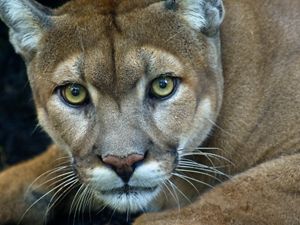
Help Save the Florida Panther
The Nature Conservancy has led efforts that protect thousands of acres of prime panther habitat and corridors that link those places.
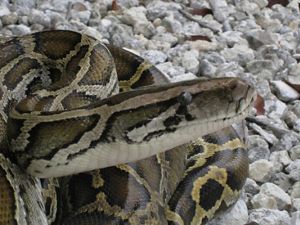
Florida Python Patrol Fighting Burmese Python
Python Patrol is fighting Florida’s Burmese python invasion, reducing the invasive snake’s threat to the Everglade’s endangered species.
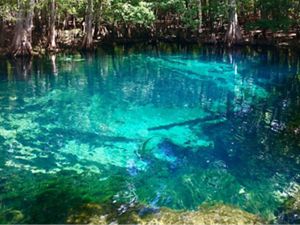
Protecting Florida's Fresh Water
Our vision for conserving Florida’s fresh water is simple and ambitious: Ensure enough clean water for people and nature. Learn about our strategies.