We're working with you to make a positive impact around the world in more than 35 countries, all 50 United States and your backyard. Support our work
After five decades of protecting Florida’s great places, The Nature Conservancy considers Blowing Rocks Preserve a top success story. This peaceful, barrier island sanctuary is a well known model for large-scale, native coastal habitat restoration.
The carefully restored habitats found here are disappearing fast from many Florida islands, and a number of endangered plants and animals call this special place home – including rare loggerhead, green and leatherback sea turtles
We’re grateful for the enthusiastic support for our efforts! Will you renew your commitment today?
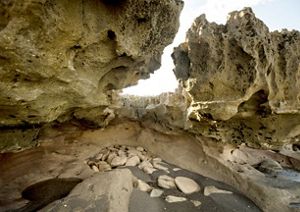
The preserve was named for its rocky Anastasia limestone shoreline – the largest on the U.S. Atlantic coast. During extreme high tides and after winter storms, seas break against the rocks and force plumes of saltwater up to 50 feet skyward. It’s an impressive sight. What exactly are the Blowing Rocks?
574 South Beach Road, Hobe Sound, FL 33455. Located on Jupiter Island at the southernmost tip of the Indian River Lagoon, about 25 miles north of West Palm Beach (see map).
73 acres
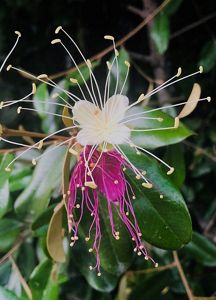
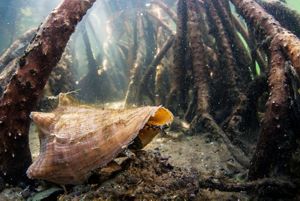
Wonder what you’ll see here? Native habitats – including beach dune, coastal strand, mangrove swamp and tropical hardwood hammock – are flush with red, black and white mangroves, gumbo limbo trees, Jamaica caper, sea grape, railroad vine, sea oats and much more. Healthy seagrass along the lagoon harbors urchin, blue claw crab and the endangered Florida manatee.
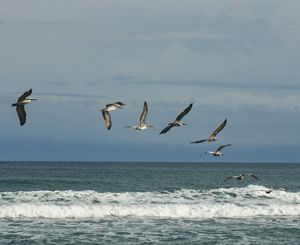
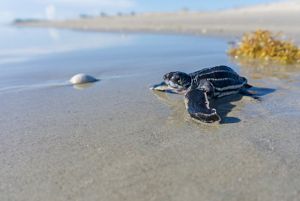
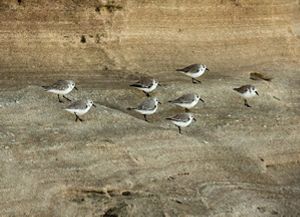
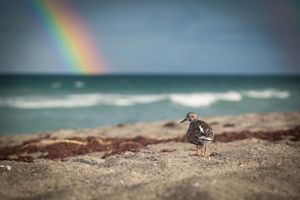
Sea turtles returning to nest on the north beach include loggerhead, green and leatherback. Guests may spot a number of shorebirds such as the brown pelican, osprey and least tern, as well as fiddler crab and a wide variety of small marine creatures.
We welcome your support of these often-rare species. Donate here today
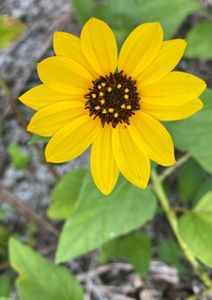
Blowing Rocks Preserve began in 1969, when far-sighted and generous residents of Jupiter Island donated 73 acres of their island to the Conservancy. Roughly rectangular, the preserve runs for one mile from north to south – and from the Atlantic Ocean on the east to the Indian River Lagoon on the west. Today the restored preserve reflects what South Florida barrier islands looked like a century ago. Visitors glimpse one of our state’s rarest surviving landscapes – an intact Florida dune habitat with beach sunflower, bay cedar, sea grape and sea oats.
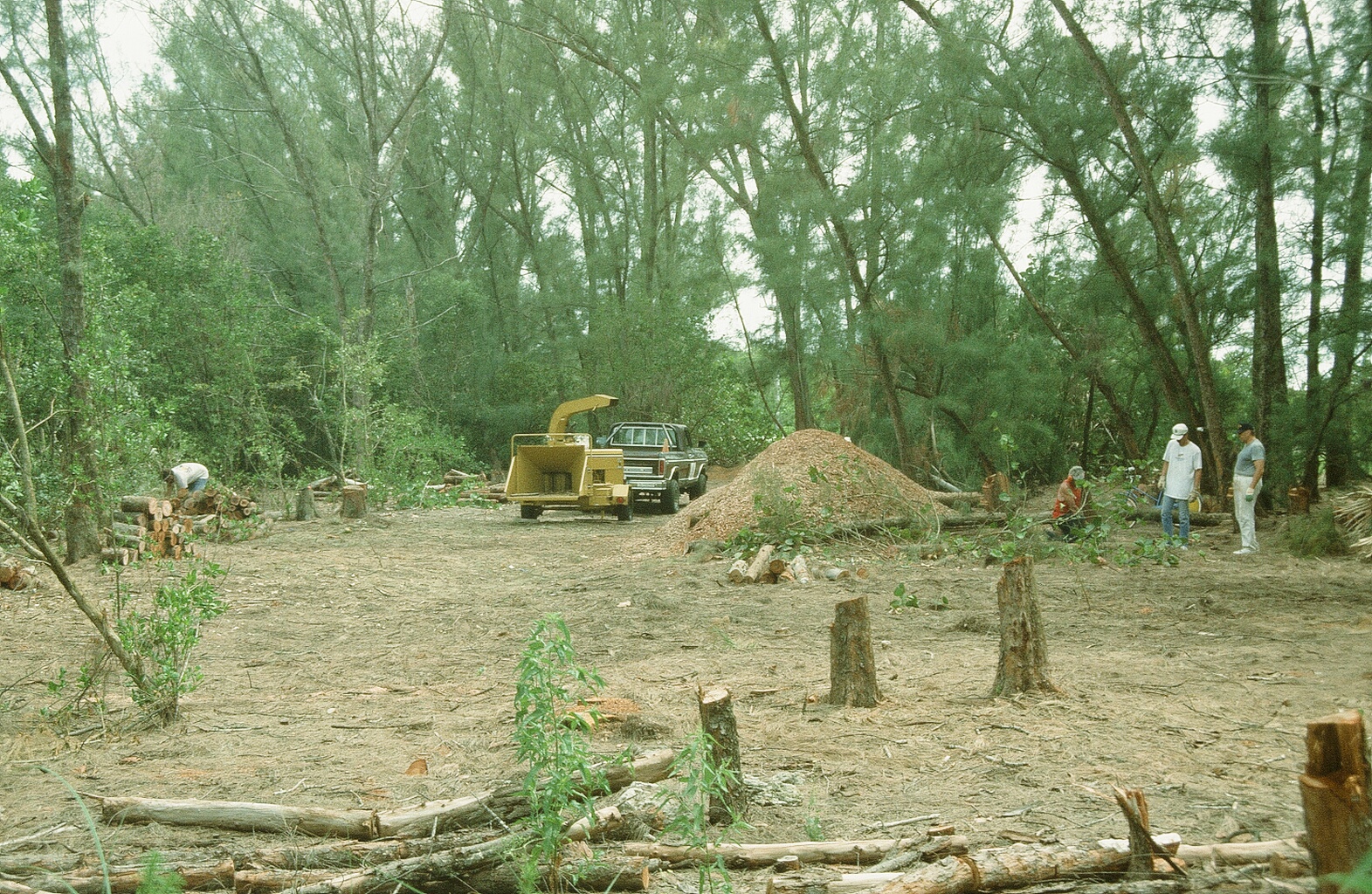
In addition to threats from encroaching development in fast-growing South Florida, the preserve had three major disturbances:
Other threats include the effects of sea level rise and climate change, as well as a new crop of invasive plants, animals and pathogens.
Large-scale restoration, begun in 1985, is now complete.
Today’s diverse and dynamic ecosystem is more resistant to erosion and to natural and human disturbances. It’s a historically accurate, natural environment.
Guest services: Visitors may enjoy a restful, native plant demonstration garden. Interpretative signs are featured along three hiking trails and boardwalks, each up to 1/3 mile long. A photo-worthy sea grape path winds from hardwood hammock, through coastal strands, and into the beach dune before arriving at the “Blowing Rocks”. Swimming, snorkeling and scuba diving are allowed from the beach during listed hours (see Plan Your Visit.) Guests are invited to use the restrooms, drinking fountain and shady decks at the preserve center.
Hawley Education Center: Built in 1996, the center provides tourists and the local community an opportunity to learn about The Nature Conservancy’s efforts to protect native habitats, plants and animals in Florida and around the world. It hosts exhibits and a winter lecture series. The center also serves as headquarters for the Conservancy’s ocean and coastal programs, with a focus on oyster reefs, coral reefs and seagrass beds – all critical to both nature and people.
Collaboration: Conservancy staff share best practices with land managers and owners throughout the region, and collaborate with local, state and federal agencies to restore coastal habitat. Thousands of volunteers have assisted our efforts.
Contact us at Blowing Rocks Preserve: (561) 744-6668
Learn more about the Conservancy's other preserves in Florida
Tides of Life Exhibit at the Hawley Education Center
Click image for a larger view.
During storms and extreme high tides, the ocean surges against the rocks and forces sea water as high as 50 feet into the air. © TNC
Take a look at some of the preserve’s most significant features.
Hurricane Sandy visits Blowing Rocks Preserve
The beach at The Nature Conservancy's Blowing Rocks Preserve in Jupiter, Florida. The limestone rock on the beach, a unique sight in Florida, forces water 40-50 feet in the air.

You may want to check the tide schedule for Jupiter Island.
Open daily from 9 am – 4:30 pm, except for major holidays
Daily beach access: $2 adults, $1 members, children 12 and under are free.
Annual beach pass $35. Group pass (up to 6) $65.
Help protect the preserve’s native habitats and wildlife!
Commercial photography and wedding ceremonies are by permission only.
Osprey, which can be observed year-round, are especially plentiful during the winter months. Palm, pine and other migrating warblers enjoy the mild winter here, as do a few ruby-throated hummingbirds. The coral bean produces its bright, red tubular flowers, while the wild poinsettia is also in bloom.
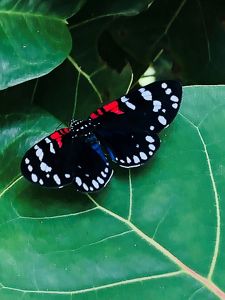
The unusual necklace pod blooms, and plentiful beach sunflowers show their bright yellow blossoms. Butterflies such as great southern whites, Cassius blues, and skippers flutter about the preserve.
In summer months, the mile of Atlantic Ocean beachfront provides important nesting habitat for imperiled sea turtles (primarily loggerheads). At night, the female turtles come ashore, climb above the high tide line, dig a hole with their flippers and lay their eggs in nests of sand. On many summer mornings, turtle tracks are clearly visible in the sand – to spot them, look for horizontal tracks in the sand that look like they could have been made by a small bulldozer or tractor tires.
The rocks and worm-rock reefs offshore offer great opportunities for snorkeling or scuba diving as well as occasional sea turtle sightings.
Please note that sea turtles and their nests are protected by federal as well as state and local laws. If you are fortunate enough to see a nesting sea turtle or hatchlings, please do not touch or otherwise harass either them or their nests.
A variety of birds migrate through the area, including warblers, offshore pelagic birds, hawks and falcons. The abundant sea grapes are fruiting, turning out grape-like clusters of berries.
Blowing Rocks Preserve
574 South Beach Road
Hobe Sound, FL 33455-2804
From I-95:
Take exit 87A (Jupiter/Indiantown Rd.)
Travel east on Indiantown Road to U.S. 1
Turn left (north) on U.S. 1 to Jupiter Inlet
After crossing bridge, immediately turn right onto South Beach Rd. (CR707)
Follow South Beach Rd. for 2 miles. Preserve sign is on the right. Parking located ½ mile ahead.
View map
Contact us: (561) 744-6668
Have you been to this preserve? Are you thinking of visiting? See what others are saying about their experiences and add your comments below.
Time for you to join the discussion. Tell us about your experience at this preserve. What plants and animals did you see? When did you go? You can help others plan their visit when you share your thoughts. And thank you for visiting one of our nature preserves!
Whether scary or exciting, nature has a way of sneaking up on you. See stories
Hear some of nature's success stories and see how nature matters to us all. Watch videos