

Florida
Protecting the Lands and Waters of the Sunshine State

- Phone: 407-682-3664
- Email: florida@tnc.org
-
Follow


Help Us Make a Difference for People and Nature in Florida
For more than 60 years, we have been working to conserve the lands and waters on which all life depends in Florida. We have helped protect more than 1.2 million acres of vulnerable lands and waters in Florida, and we own and manage more than 40,000 acres including four preserves that are open to the public. Led by science and data, we are building coalitions and constituencies, demonstrating leadership and influencing policy across the state.
Download

Highlighting our proudest accomplishments and the meaningful work underway—all thanks to the transformative power of your philanthropy.
Download Versión en EspañolThe Economic Benefits of Florida’s Nature
-

$14B
Recreational Fishing brings in nearly $14 billion annually.
-

$5B
Wildlife Viewing brings in $5 billion annually.
-

$10B
Tax Revenue from outdoor recreation is $10 billion annually.
-

$60B
Public Parks and Lands in Florida are worth $60 billion.
Florida’s Conservation Priorities
Our core strategies address the greatest threats to Florida’s nature and people, focusing on areas where we are uniquely positioned to make the most significant contribution to Florida’s future.
-

Transforming Marine Management
In collaboration with stakeholders, we will strengthen the sustainability of Florida’s fisheries through new and revised policies, modernization of fisheries data systems, and pilot projects to encourage fishing best practices for ocean health. Learn about our fisheries work.
-
Conserving Resilient Lands, Oceans and Waters
Conserving a network of resilient and connected lands, oceans and waters is critical for carbon sequestration and for preserving biodiversity, by creating a connected landscape for wildlife to move and adapt to a changing climate. Learn about our land protection work.
-

Inspiring Climate Action
To limit global warming to less than 1.5 degrees C, we must ensure that ambitious state and federal greenhouse gas emissions reduction policies are enacted by broadening support for climate action among Florida’s citizens and policymakers. Learn about our climate action work.
-

Building a Sustainable Florida
Collaborate with diverse stakeholders across sectors to shift the narrative of development in Florida from built environments that harm and disconnect people from nature to areas that invite nature, promote biodiversity and movement of wildlife.
We Can’t Save Nature Without You
Sign up to receive monthly conservation news and updates from Florida. Get a preview of Florida’s Nature News email.

Policy Efforts in Florida
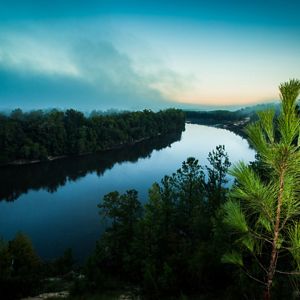
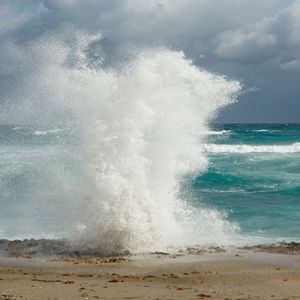
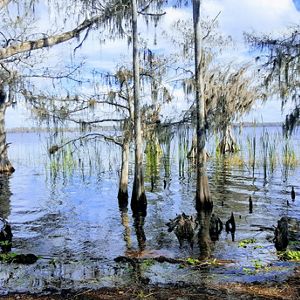
Did you know The Nature Conservancy partners with lawmakers, landowners, and the community to conserve Florida's natural resources and to deepen the connection between communities and the environment?
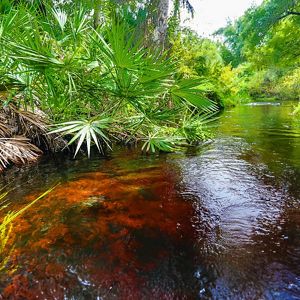

Center for Conservation Initiatives
The Center for Conservation Initiatives (CCI) advances conservation through education, training, outreach, volunteerism, science, research and land stewardship.
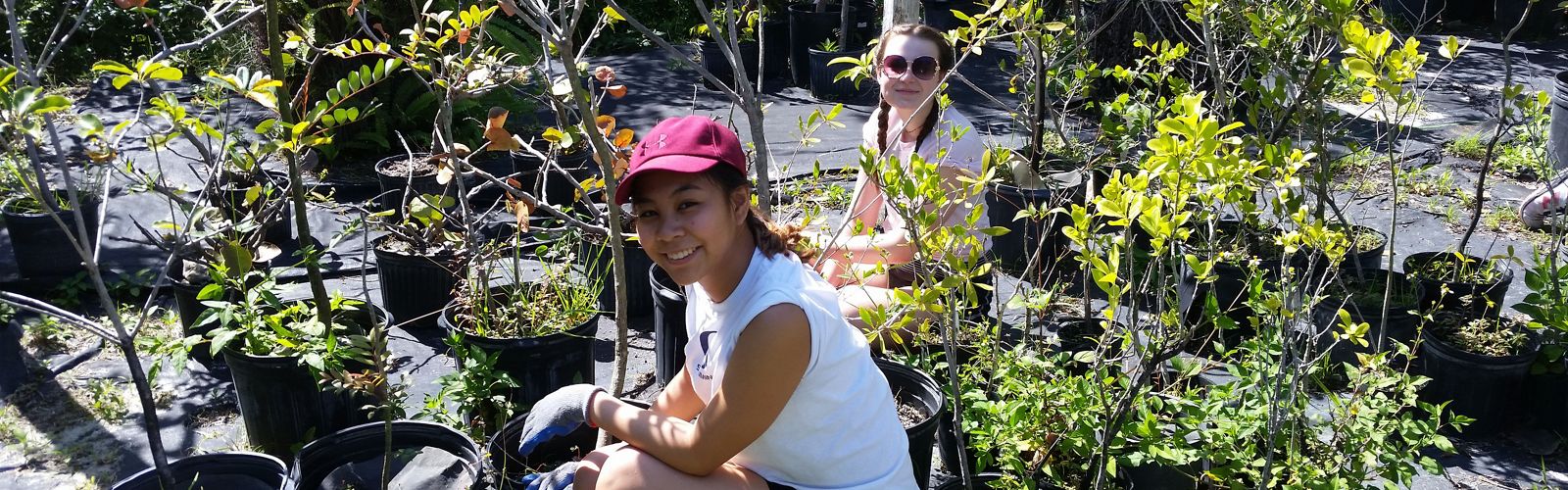
Volunteer in Florida
Achieving our mission in Florida would not be possible without the efforts of our volunteers. Turn your passion into action by volunteering at one of our Florida preserves, or find a remote position where you can work from anywhere. Search our available volunteer listings to get started.
More About Florida

Celebrating the Value of Florida’s Public Lands
Our public lands—those lands purchased and owned by taxpayers—belong to all of us. Whether it’s state parks, local greenways or national forests, visitors and residents value conservation.

Florida Coastal Resilience
Natural structures like marshes, mangrove stands, coral reefs and oyster reefs can help protect Florida's coastline from storm surge and sea-level rise.

Restoring Fire to Florida’s Native Landscapes
With some Florida habitats needing regular intervals of fire, we carefully conduct controlled burns to safeguard the long-term survival of these places.

Restoring Florida’s Oyster Reefs
Oysters are vital in filtering Florida’s water and stabilizing coastlines. But as oyster reefs are now imperiled, they need a boost from our help.

Florida Board of Trustees
Meet the Board of Trustees for The Nature Conservancy in Florida. These leaders demonstrate outstanding personal commitment to promote our mission and goals.