

Oyster Reef Restoration
Good news for oyster reefs, the planet’s most imperiled marine habitat.
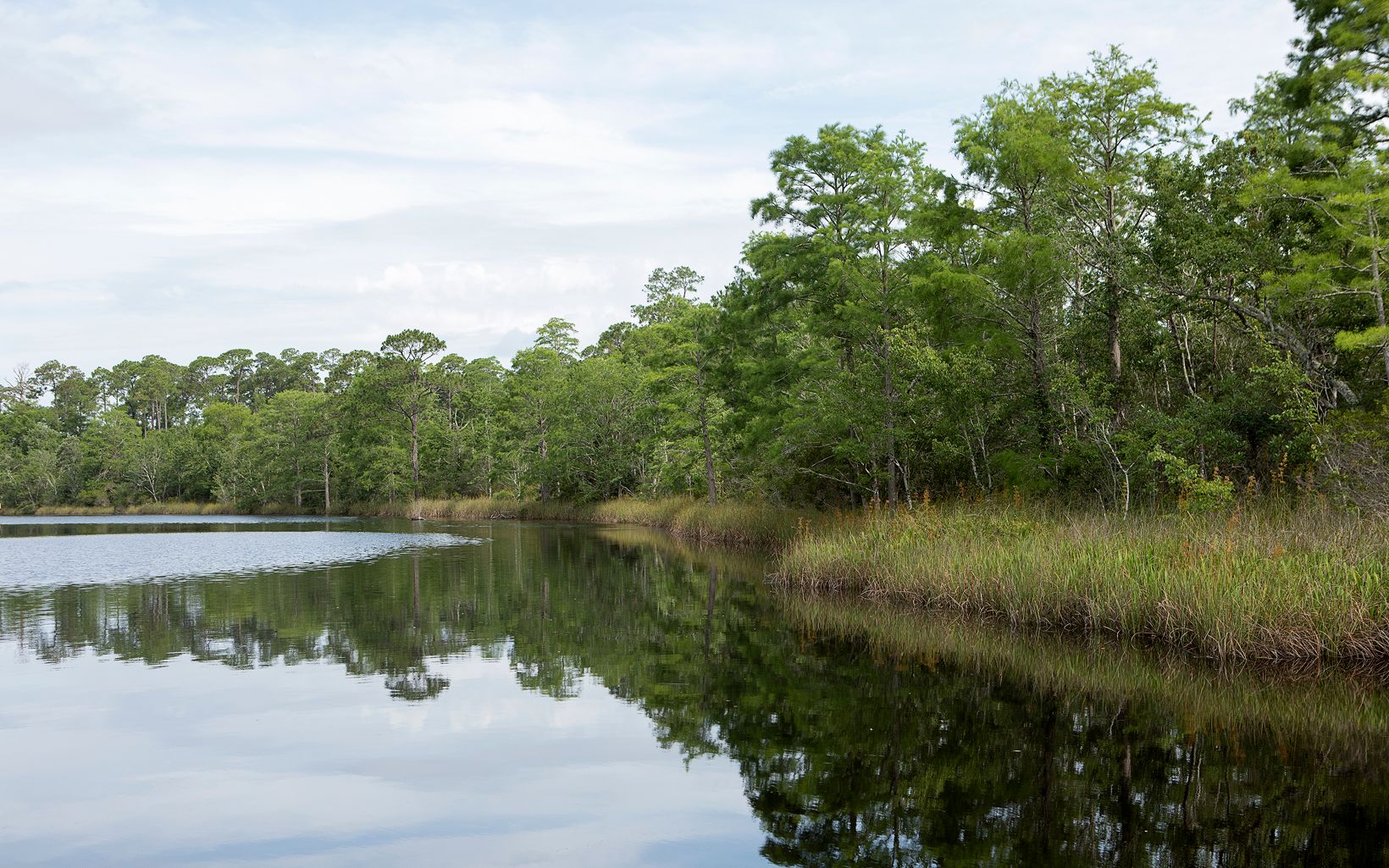
Along Florida’s coasts, oysters play a vitally important role in supporting healthy estuaries. Oyster reefs provide important multiple benefits, from providing habitat and food for commercially and recreationally valued fish and other wildlife, to filtering water, removing nitrogen, and stabilizing eroding coastlines. Oysters are also a favorite cuisine for people and Florida once had robust oyster fisheries in many areas throughout the state.
Quote: Anne Birch
Oysters are the quiet, unsung heroes of our estuaries, working hard every day to protect our coasts, clean our waters, feed and shelter fish, birds, crabs, shrimp and other wildlife.
%20Jill%20Fidrych.jpg?crop=0%2C37%2C1248%2C1248&wid=1280&hei=1280&scl=0.975)
“When we help to restore and conserve oyster habitat and support the oyster fishery we’re also helping our estuaries and our coastal communities thrive," Birch says.
A healthy adult oyster can filter up to fifty gallons of water daily. Multiply that by hundreds of living oysters forming a reef and the water filtration service they provide can be significant, helping to cleanse our estuaries and support aquatic grasses and other plants that need light to survive. These plants, in turn, yield benefits like fish production and carbon storage, completing an invaluable cycle.
Healthy oyster reefs also serve as buffers against rising sea tides and storms by forming natural breakwaters that help protect shorelines from erosion.
Oyster reefs also create economic value as a fishery and "fish-making" habitat for species such as snapper, crab and shrimp. Oysters hold a deep cultural connection to past and present waterfront communities. “I can think of few other species that combine the ecological, economic, and cultural benefits of being a species, that creates habitat, and are also a fishery,” Birch says.
Oyster reefs have severely declined throughout their historical ranges all over the world. Today, oyster reefs are considered one of the planet’s most imperiled marine habitats. Over the last two centuries, more than 85% of the world’s oyster reefs have been lost, and this statistic is echoed in most of Florida’s bays and estuaries. Florida’s Gulf of America and Pensacola Bay regions are no exception, and TNC is working to restore these critical ecosystems. Oyster reefs face a variety of threats including overharvesting, disease, pollution, and damage from boat traffic. Our oyster reef restoration efforts focus on areas where oysters were formerly prolific and will complement recovery of oyster reefs created for commercial harvest–an industry that has been hit hard over the years.
We use a science-based approach to determine the best restoration method for each site, such as loose oyster shell, limestone rock, or other structures of natural materials. Our international team of scientists share their experiences with different methods and discuss the pros and cons and successes or failures with one another and partners. It’s an excellent way to “go global” with a local project that in turn can inform global recovery efforts.
TNC has helped implement oyster restoration projects in several Florida systems. The Pensacola East Bay Oyster Habitat Restoration project in Santa Rosa County is the largest scale estuarine habitat restoration undertaken by TNC in Florida. 33 oyster reefs were placed along approximately 6.5 miles of shoreline, to return oysters to a region where they thrived historically but have since declined. This project is funded through the National Fish and Wildlife Foundation (NFWF) Gulf Environmental Benefit Fund, designated to remedy harm and reduce the risk of future harm to natural resources that were affected by the 2010 Deepwater Horizon oil spill.
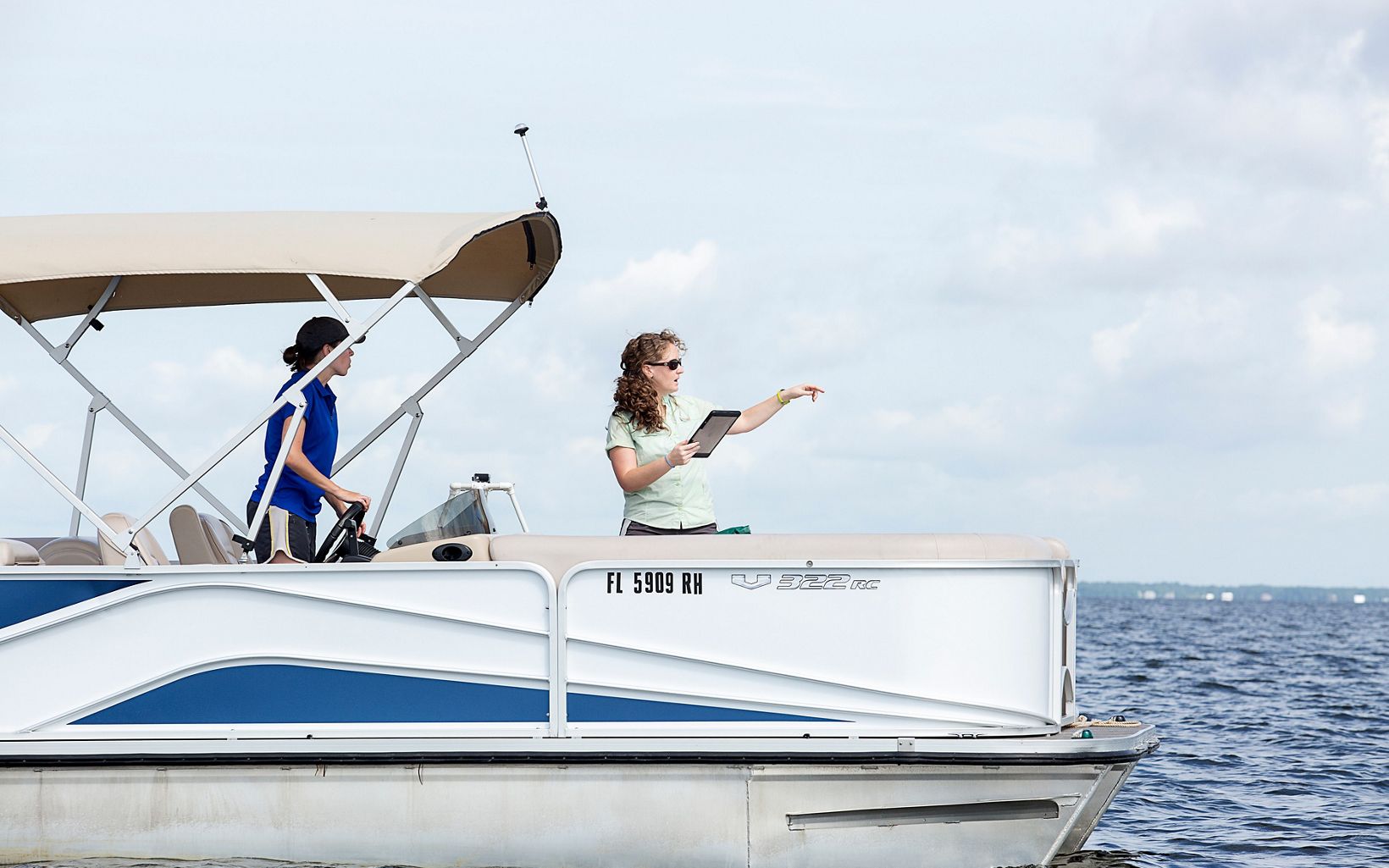
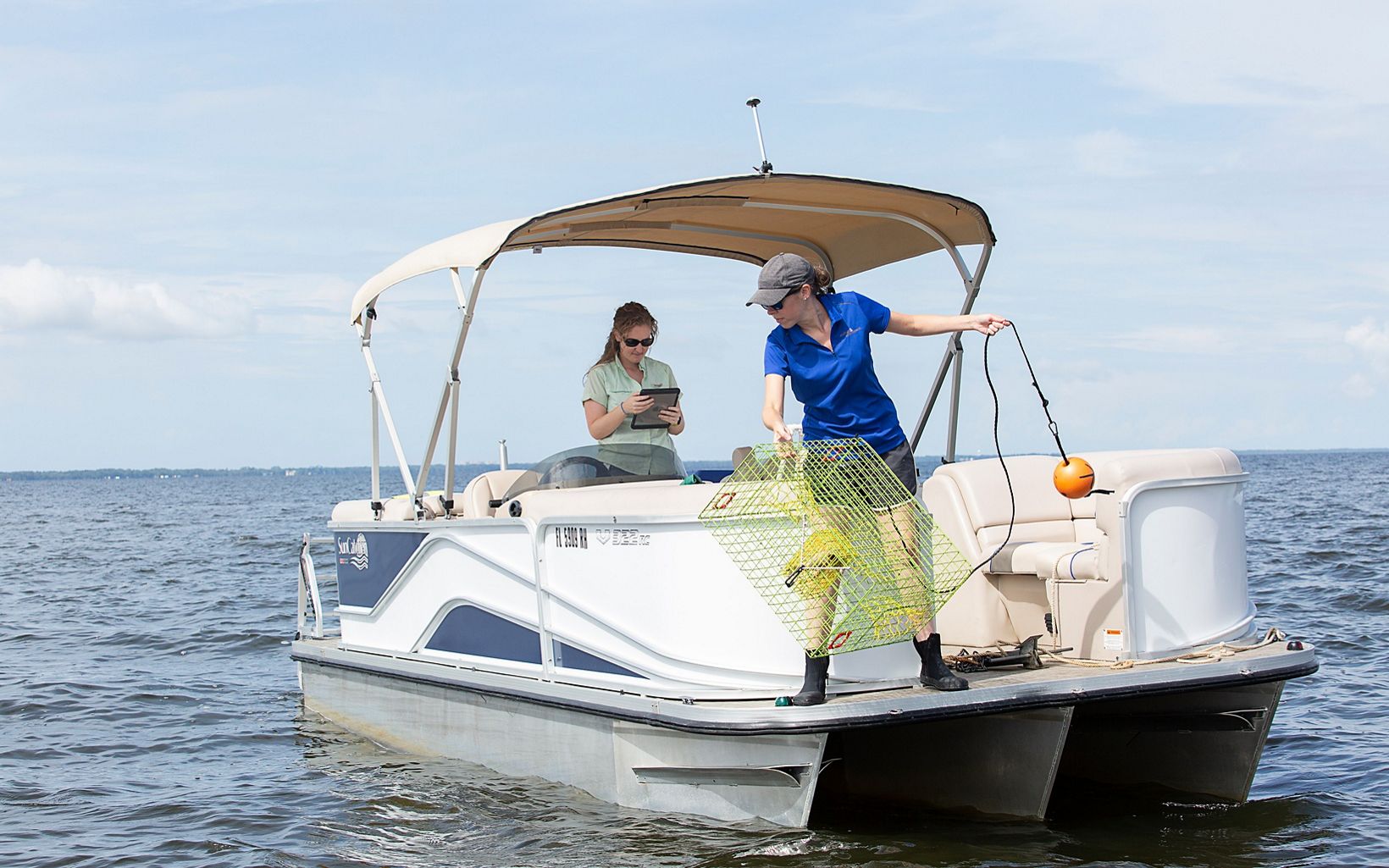
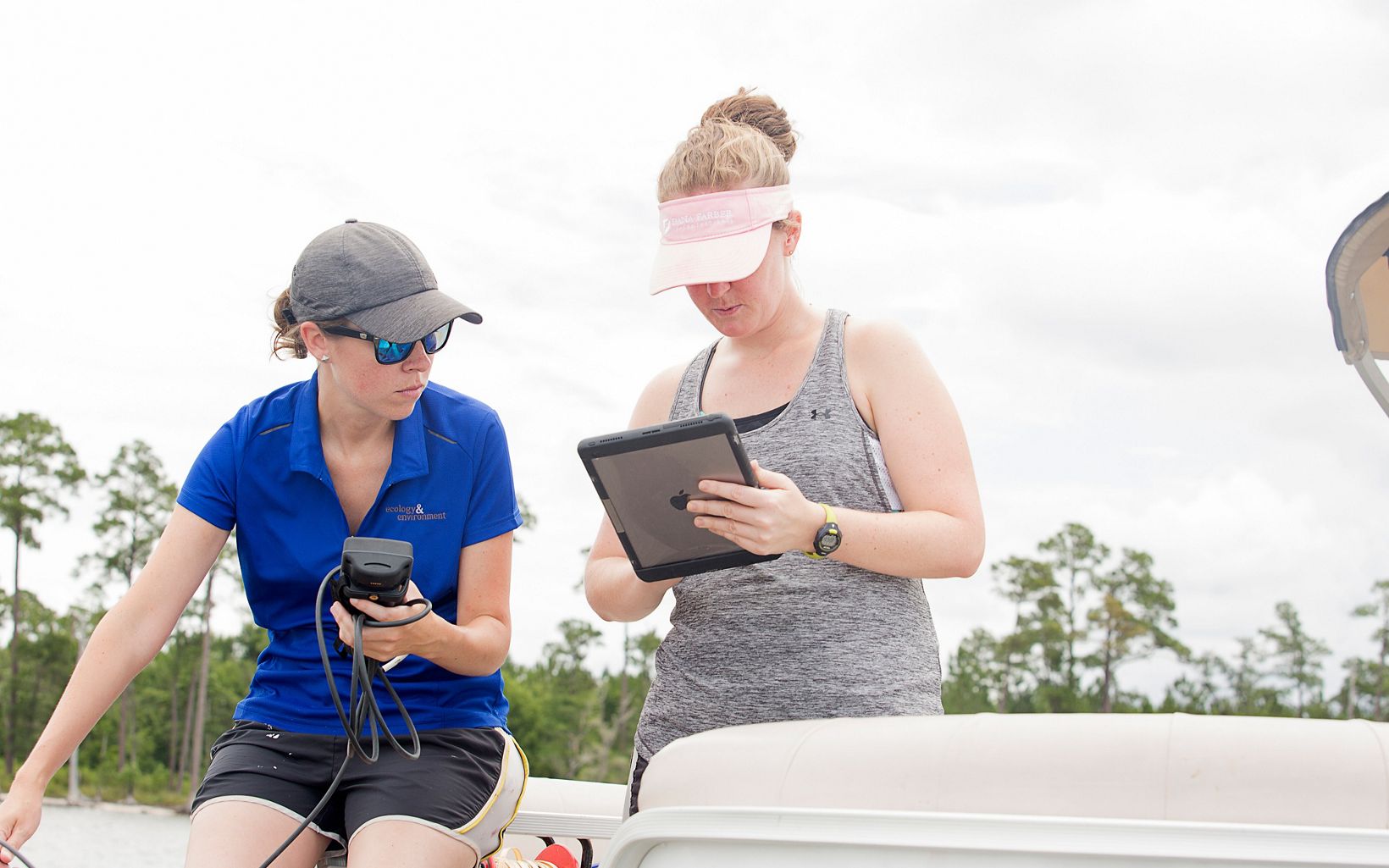
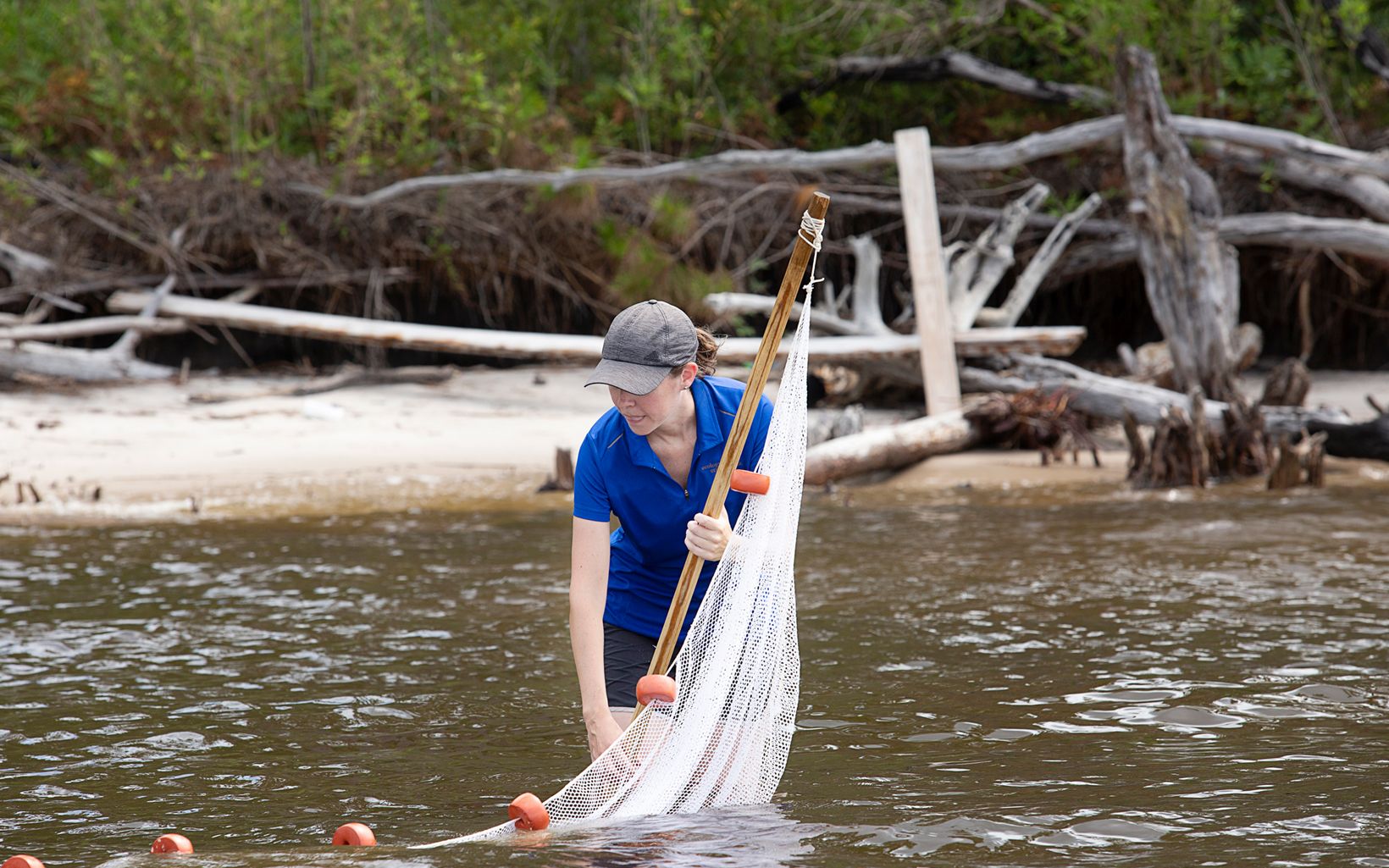
An essential step to understanding the success of any restoration project is to monitor its progress over time, to evaluate oyster populations and the attraction of additional species to the area. NFWF is funding monitoring both pre- and post-construction to track the success of the Pensacola East Bay project.
As we restore oysters it’s also necessary to understand the baseline condition of oysters in our bays and estuaries—where is oyster habitat, how much is there, and what is its condition, is it healthy or declining. Mapping existing reef habitat and its condition, combined with data on an estuary’s physical conditions (salinity, water quality, water depth, bay bottom sediment, etc.), gives us a much-needed analysis and understanding of restoration suitability—where is it best to restore oyster habitat today and into the future. Mapping the remaining oyster reefs in the Pensacola Bay System is underway by TNC and the Pensacola and Perdido Bays Estuary Program.

We Can’t Save Nature Without You
Sign up to receive Nature News and updates from Florida. Preview Nature News
Restoration alone will not recover this valuable habitat and fishery. It requires a holistic assessment of the challenges affecting recovery including understanding why oysters have declined and how oysters are managed. Sources of harmful impacts can come from various activities throughout the watershed, for example, excess sedimentation from unpaved roads or water pollution caused by fertilizers entering the rivers that feed into our estuaries and bays. To tackle these challenges, TNC initiated an Oyster Fisheries and Habitat Management Plan for the Pensacola Bay System and convened a Working Group of community and natural resource management stakeholders. The goal is to ensure that the management of the wild oyster fishery, oyster aquaculture, and oyster habitat are informed by the best available science and shared stakeholder stewardship values. This type of plan – one that uses an ecosystem-based approach while integrating the needs and resources of all the stakeholders – can serve as a model for management of oyster resources throughout Florida’s estuarine systems, the Gulf of America and other regions. The plan has a home with the Pensacola and Perdido Bays Estuary Program and will be integrated as an essential piece of the program’s Comprehensive Conservation and Management Plan.
We are committed to restoring oyster reef habitat in Florida's coastal areas to reestablish the area’s critically important oyster populations and are grateful to our many partners and volunteers who work alongside us to make these projects possible.
Quote: Anne Birch
The health of our estuaries hangs in the balance. The importance of restoring oyster reefs cannot be overemphasized.
“Managing our oyster resources requires a collaborative approach, working with fishermen and other users to figure out how a bay can flourish while supporting a sustainable wild harvest fishery, growing aquaculture businesses, and habitat restoration. It does not have to be an either-or option but rather how can we work together to ensure all needs are met,” Birch says.
Download
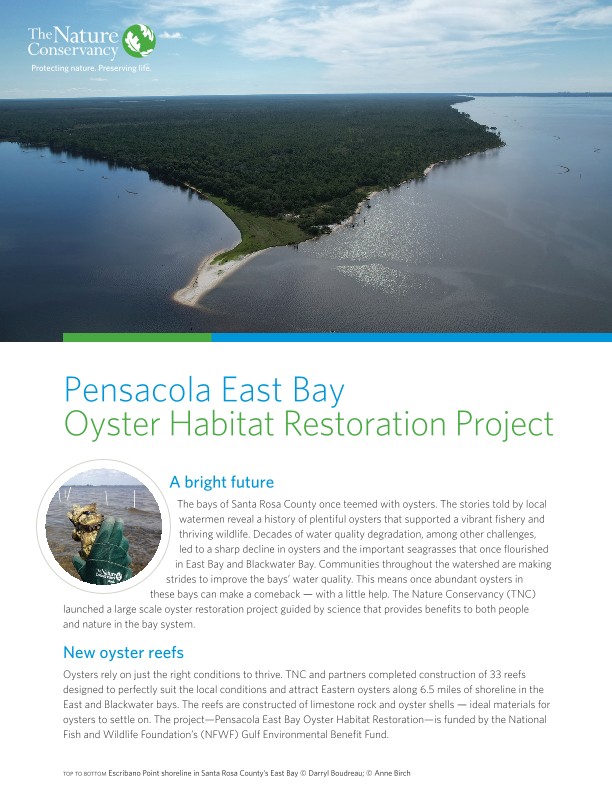
Our fact sheet provides details on the Pensacola East Bay Oyster Habitat Restoration Project
DOWNLOADExplore Our Oyster Restoration Work
%20Anne%20Birch.JPG?crop=0%2C250%2C4000%2C2500&wid=1640&hei=1025&scl=2.4390243902439024)