We're working with you to make a positive impact around the world in more than 30 countries, all 50 United States and your backyard. Support our work
Yes
Bring your binos for birdwatching! View All
Explore the trails at Apalachicola Bluffs and Ravines Preserve. View All
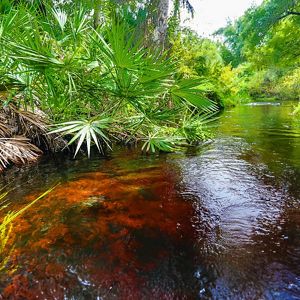
Apalachicola Bluffs and Ravines Preserve protects one of the rarest of habitats: steephead ravines and streams. The Apalachicola River and Bay region is a biological hotspot, unique to Florida and home to a disproportionate number of imperiled species. The preserve is well on its way to full restoration and the uplands are being transformed into a classic, intact sandhill habitat.
Will you please support our work today?
Bristol, Florida (about one hour west of Tallahassee in northern Liberty County).
The preserve trail is open to the public from dawn to dusk, year-round.
6,295 acres
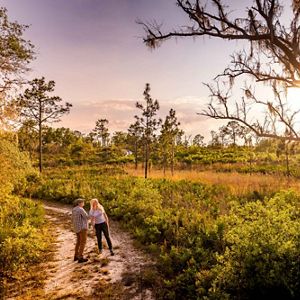
A 3.75-mile, round-trip, self-guided trail takes you through an enchanting area that local legend claims is the original Garden of Eden. Beginning in longleaf pine/wiregrass uplands, the trail soon skirts the top of a dramatic steephead ravine, descends steeply through the slope forest to cross a seepage stream and then ascends the slope forest back to sandhills.The trail eventually opens to a spectacular view at Alum Bluff. At 135 feet above the Apalachicola River, Alum Bluff is the largest natural geological exposure in Florida!
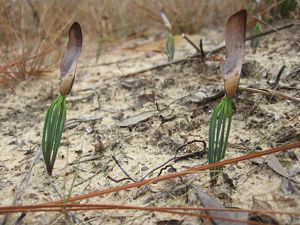
Steephead ravines and associated seepage streams are among the rarest of freshwater habitats. These unusual geologic features provide refuge for a number of Florida’s plants and animals—some found nowhere else on Earth– including two of the world’s rarest evergreens, the Florida torreya and Florida yew. Other species more common in the Appalachians, such as mountain laurel and ash magnolia are at the southern end of their range here. The preserve also protects longleaf pine sandhill uplands, breathtaking river bluffs and million year-old fossils.
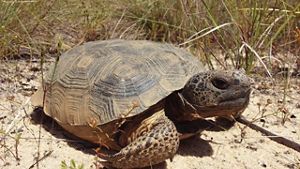
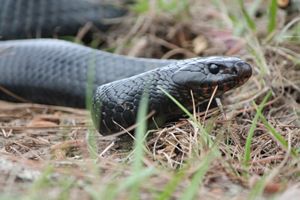
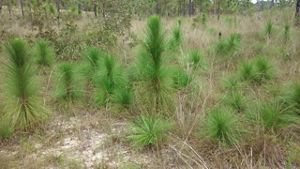
We undertook a massive project in 1985 to restore the property. Years of management for industrial timber production had left little of the once-vibrant sandhill community. Now, after 25 years of restoration, the sandhill community is returning to its former glory and again boasts healthy populations of wild turkey, bobwhite quail, Bachman’s sparrow, Florida pine snake and gopher tortoise. The preserve is a model of vibrant landscapes in all stages of rebirth.
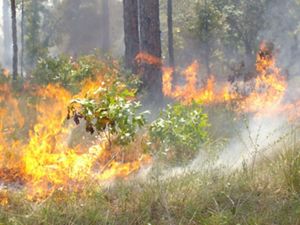
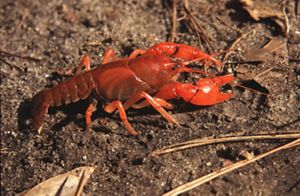
Prescribed fire has been returned to this fire-dependent landscape so that native plants and animals will thrive. Meet some of these species. Regular fire supports longleaf pine habitat, stimulates the growth and flowering of critical groundcover species such as wiregrass, and keeps hardwood species in check.
Staff and volunteers have hand-planted millions of longleaf pine seedlings and wiregrass plugs. All groundcover species are started from seed collected on the preserve. Currently we direct seed 200 acres per year in order to restore the natural sandhill habitiat.
Conservancy staff has developed a process here that takes prepared, bare sand to an intact, fire-ready wiregrass habitat in 40 months. These and other techniques are now being shared with land managers all over the southeastern United States.
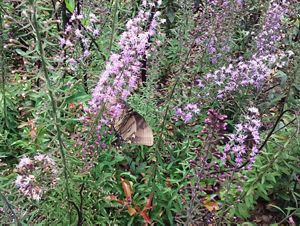
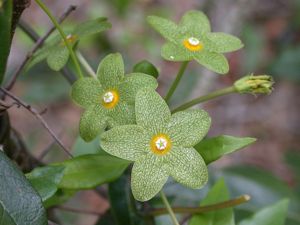
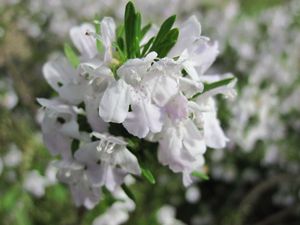
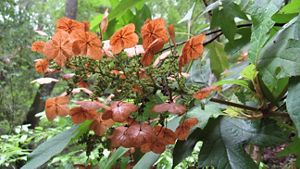
The preserve protects two of the world’s rarest evergreens, the Florida torreya and Florida yew. Yews are seen along the botanical loop trail, but live torreyas are no longer visible along the trail. Other plants of interest include the large-leaved, large-flowered Ashe’s magnolia; pyramid magnolia; Florida anise; mountain laurel; oak leaf hydrangea; spring ephemerals such as trillium and wild ginger; Gholson's blazing star; numerous ferns; and an array of fall-blooming sandhill wildflowers and grasses including toothed basil and lopsided Indiangrass.
The preserve is home to several rare species of resident and migrating birds including the bald eagle, Mississippi kite, swallow-tailed kite, wild turkey, worm-eating warbler, hooded warbler, Bachman’s sparrow, Louisiana water thrush and Swainson’s warbler.
Only foot travel is allowed on the trail. To protect the preserve's rare plants, animals, and cultural and geologic features, the following are not allowed: pets, smoking, littering, camping, climbing on the bluffs, collecting, firearms, fires, hunting and radios.
Visitors should plan on a 3-hour hike, bring 1 – 2 quarts of water per person, and may wish to bring a hiking stick to assist with the steep climbs and descents. Please keep in mind that the trail is steep and the climbs are arduous.
For your safety, please observe trail signs at Alum Bluff and stay well back from the edge as you follow the orange-blazed trail along the river bluff. The bluff is an active slide area and abandoned sections of trail are badly undercut and prone to collapse.
Please leave dogs at home. Dogs are not allowed on the trail.
For more information about visiting or volunteering, or if you are a researcher and would like access to the preserve, contact Kelli Flournoy or call (850) 643-2756 x214.
The preserve is located at 10394 NW Longleaf Drive, Bristol, FL 32321.
From Bristol:
From Tallahassee:
Have you been to this preserve? Are you thinking of visiting? See what others are saying about their experiences and add your comments below.
Time for you to join the discussion. Tell us about your experience at this preserve. What plants and animals did you see? When did you go? You can help others plan their visit when you share your thoughts. And thank you for visiting one of our nature preserves!
* Required Fields
We need to act now, before it's too late. Watch the Video, Take Action
We're addressing Latin America's most pressing conservation issues. Read the Story