
We're working with you to make a positive impact around the world in more than 35 countries, all 50 United States and your backyard. Support our work
Yes
In order to protect the fragile beach and back dune areas, the Conservancy does not encourage public visitation to its Milford Neck Preserve. However, there are other lands nearby where visitors can get a good glimpse of why the landscape is so special. See “Things to Do.” View All
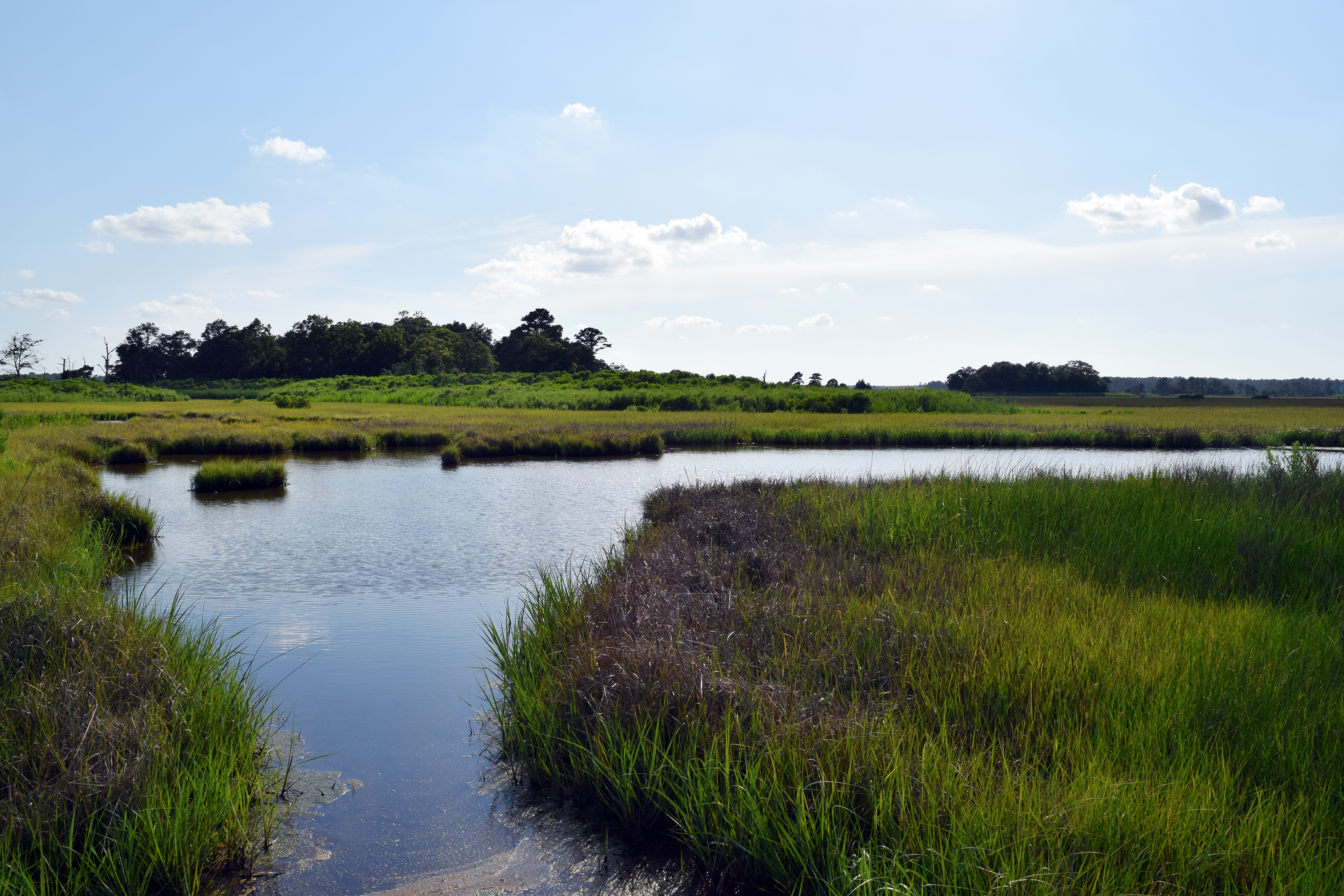
Delaware’s Milford Neck landscape might best be described as a patchwork of open spaces – beaches and dunes, tidal marshlands, freshwater wetlands, swamp and upland forests, and farmland – owned and managed by the State of Delaware, The Nature Conservancy, private individuals and others. Together, these landowners conserve some of the First State’s most spectacular natural habitat.
The Milford Neck landscape may be best known as a premier destination along the Eastern Seaboard for more than a million migratory shorebirds arriving each spring to feed on eggs laid by horseshoe crabs converging on Delaware Bay beaches. However, the area also stands out for its forests. While much of the landscape has had to make room for scattered farms, Milford Neck still contains the only remaining forested area greater than 1,000 acres on the entire coast of Delaware, providing crucial habitat for species that require large, open tracts of land for part or all of their life cycles.
To protect and build on what remains, the Conservancy has engaged in intensive restoration at its Milford Neck Preserve since 1998. This work has included planting habitat islands, small clusters of diverse native vegetation and trees – including five varieties of oak, southern arrow wood, winterberry, persimmon and tulip tree – that shelter wildlife from weather and predators and attract the birds that transport and deposit seeds needed to rapidly regenerate the forest.
Size
2,801 acres
Location
Eastern Kent County, along the Delaware Bay
What’s At Stake
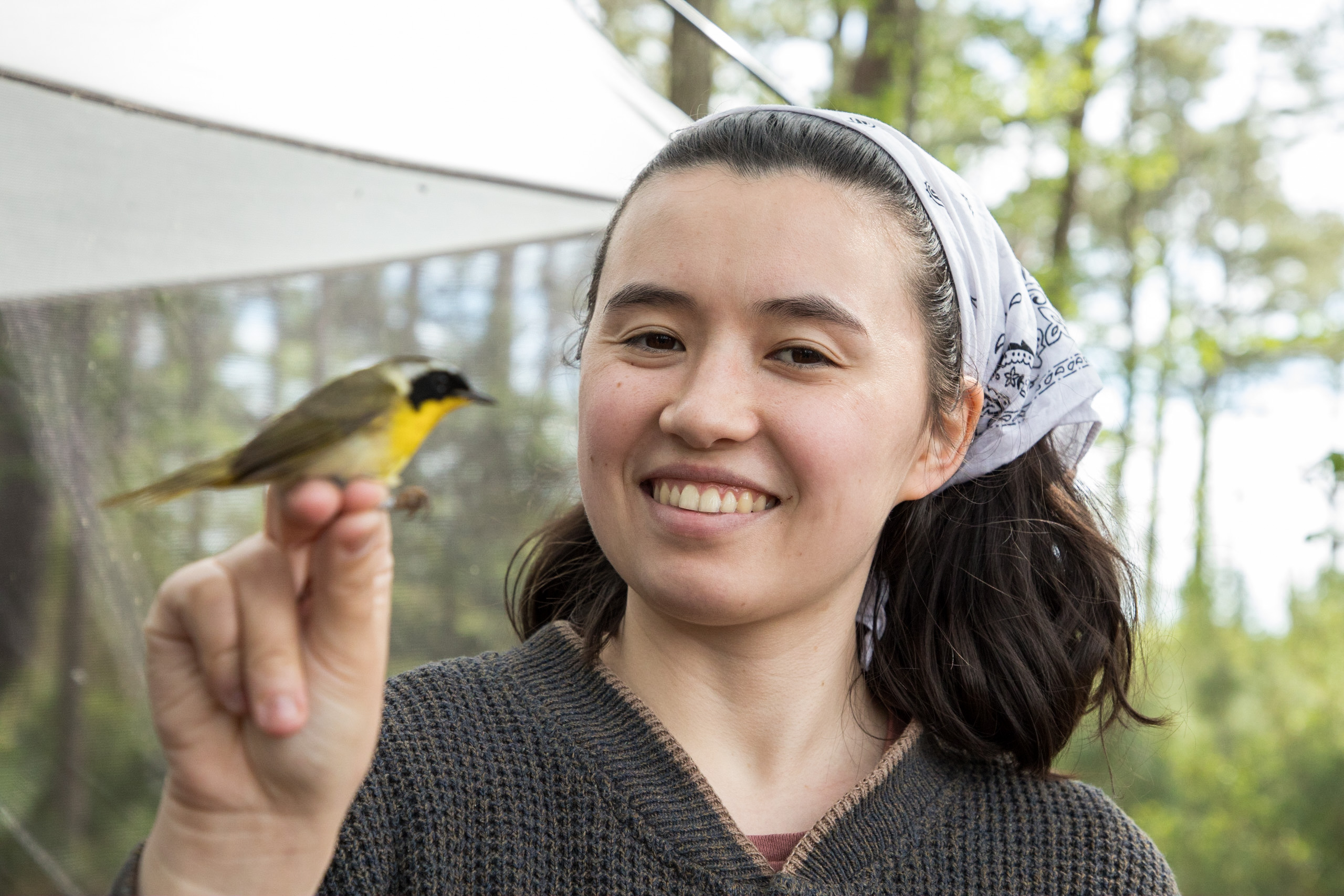
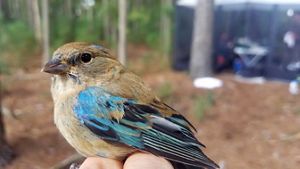
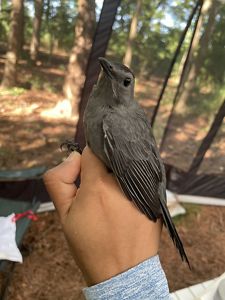
An impressive array of reptiles, amphibians, waterfowl, birds, small mammals, fish and plants, including Cypress-swamp sedge, Carolina petunia and green tree frogs which are rare in Delaware. During spring, red knots and other shorebirds arrive to feed on eggs deposited by the world's largest population of spawning horseshoe crabs and take shelter among sand dunes. Black ducks, a species of particular conservation concern, represent one of many varieties of waterfowl inhabiting tidal marshes and freshwater wetlands. In recent years, habitat islands have begun welcoming migrant songbird species including Pine Warbler, Indigo Bunting, Blue Grosbeak, Common Yellowthroat, Eastern Bluebird and Yellow-breasted Chat.
Threats
Development, habitat fragmentation, non-native invasive vegetation
Milestones
The Nature Conservancy acquired the land comprising its Milford Neck Preserve in 1990 and soon after began developing plans to restore former agricultural fields into native coastal deciduous forest. The preserve was included as part of the 10,000-acre Milford Neck Conservation Area in 1998 with assistance from the Delaware Department of Fish & Wildlife and Delaware Wild Lands, Inc.
In 1999, the Conservancy began its first reforestation project by enrolling carefully selected farm fields into the USDA’s Conservation Reserve Program. Since then, work at the Milford Neck Preserve has expanded to include 265 acres of reforestation and wetland restoration sites designed to reconnect habitat types across the preserve. Thanks to partners, this has resulted in planting more than 103,000 native trees and shrubs, restoring 35 acres of freshwater wetlands, and controlling invasive weed Phragmites on nearly 500 acres of salt marsh as of 2011.
Action
Current work involves implementing two habitat restoration projects on additional acres at the preserve supported by Cooperative Agreements with United States Fish & Wildlife Service’s (USFWS) Coastal Program’s Delaware Bay Estuary Project. These projects lay important groundwork for healthy forests and freshwater wetlands at the preserve.
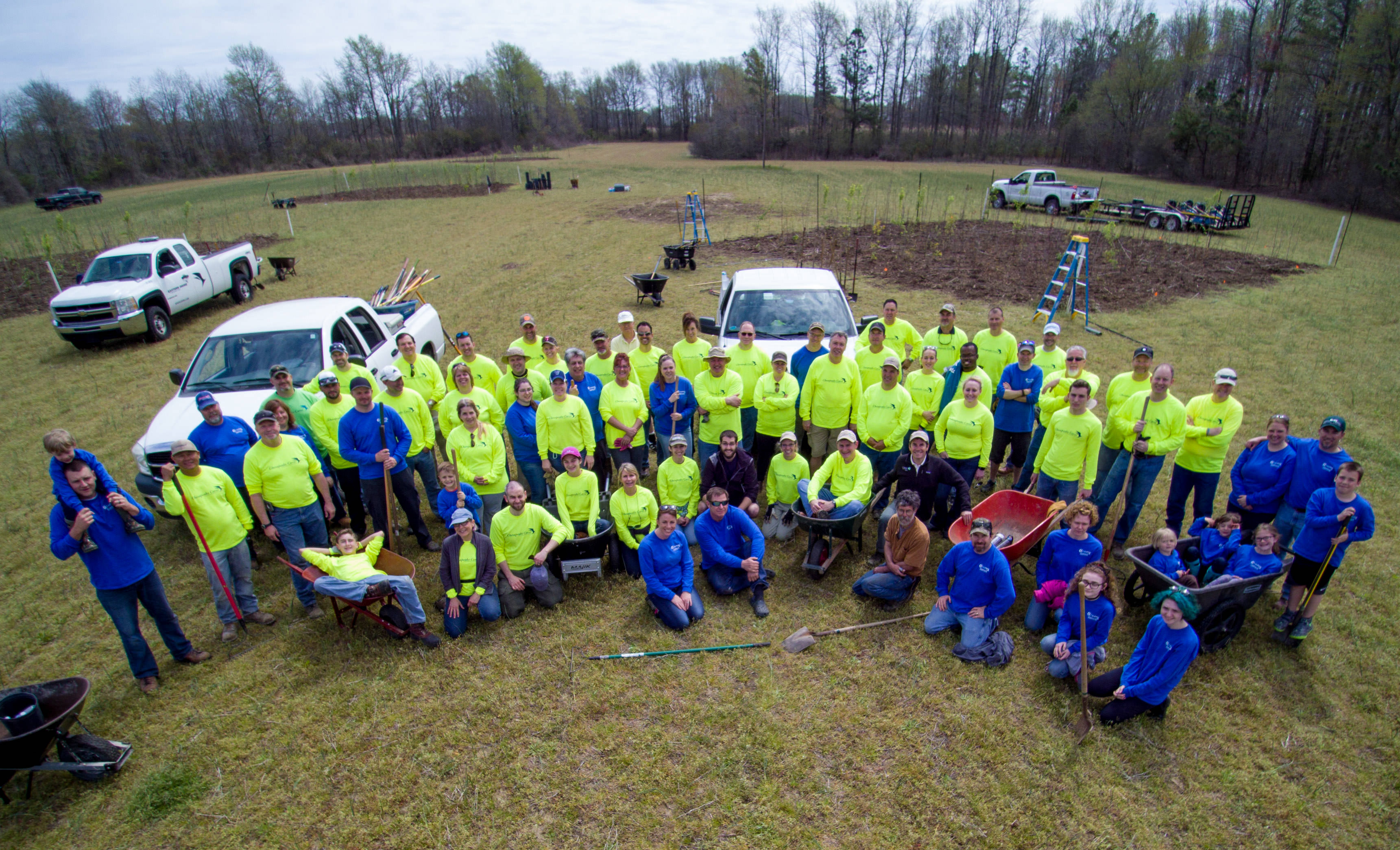
First, in an effort to integrate upland reforestation with freshwater wetland restoration, the Conservancy has planted 12,800 tree seedlings and 20 habitat islands across 33 acres of uplands and restored 15 acres of adjacent freshwater wetlands with assistance from volunteers and state of the art technology provided by the Kent Conservation District.
Also as part of a Cooperative Agreement with USFWS, professional contractors are assisting with the elimination of invasive Phragmites from a freshwater forested wetland containing several rare plants that contribute to the preserve’s remarkable habitat value.
In Spring 2011, the Conservancy began implementing work under a newly established grant with DNREC’s Delaware Greenhouse Gas Reduction Projects Grant Program to reforest a new 60-acre site with native trees and shrubs that, once established, will sequester approximately 17,000 tons of carbon.
Partners
United States Department of Agriculture (USDA), Conservation Reserve Program; USDA, Natural Resources Conservation Service, Wildlife Habitat Incentive Program; USFWS Coastal Program, Delaware Bay Estuary Project; USFWS, Partners for Wildlife; National Fish and Wildlife Foundation; DE Department of Natural Resources and Environmental Control (DNREC), Division of Soil and Water Conservation; DNREC, Natural Heritage Program; DNREC, Kent County Conservation District; AstraZeneca; GreenWatch Institute; ERTHNXT; Gatewood, Inc.; Bailey’s Lawnmower; and many, many volunteers
One week after Sandy, nature shows off her resiliency on the marsh at the Conservancy's Milford Neck Preserve in Delaware. © TNC Staff
See a slideshow illustrating damage to the Milford Neck Preserve.
Check out a slideshow from the 2011 spring planting!
Dedicated volunteers and generous partners made a cool April Day a spring planting success!
Note: In order to protect the fragile beach and back dune areas, the Conservancy does not encourage public visitation to its Milford Neck Preserve. However, there are other lands nearby where visitors can get a good glimpse of why the landscape is so special.
Watch birds. According to DelawareBirdingTrail.org, an excellent place to observe birds visiting the Milford Neck landscape is along Big Stone Beach Road, specifically the two and a half mile stretch from Scott's Corners to Big Stone Beach, which winds past beautiful coastal forests, marshes and out to the Delaware Bay.
Observe nature in action. Owned and operated by the Delaware Division of Fish and Wildlife, the Dupont Nature Center offers one of the best viewing areas for spawning horseshoe crabs and migratory shorebirds during the peak season. Visitors can learn about horseshoe crabs, migratory shorebirds, waterfowl and the Delaware Estuary.
Volunteer! Since public access is limited, the best way to see the Conservancy’s Milford Neck Preserve is as a volunteer.
An excellent place to observe birds visiting the Milford Neck landscape is along Big Stone Beach Road, specifically the two and a half mile stretch from Scott's Corners to Big Stone Beach, which winds past beautiful coastal forests, marshes and out to the Delaware Bay.
(39° 0'2.11"N 75°19'42.05"W) From the convergence of Routes 1 & 113 just north of Milford, head north on Route 1 about 1.3 miles. Turn right (NE) at Thompsonville Road and go 3.5 miles. Turn right (E) onto Scotts Corner Road, arriving at Scott's Corners (38°59' 27.85" N 75°22'16.73"W) in 1.1 miles. Take a left (NE) onto Big Stone Beach Road. The road reaches the bayshore in another 2.6 miles.
Have you been to this preserve? Are you thinking of visiting? See what others are saying about their experiences and add your comments below.
Time for you to join the discussion. Tell us about your experience at this preserve. What plants and animals did you see? When did you go? You can help others plan their visit when you share your thoughts. And thank you for visiting one of our nature preserves!
Whether scary or exciting, nature has a way of sneaking up on you. See stories
Hear some of nature's success stories and see how nature matters to us all. Watch videos