
We're working with you to make a positive impact around the world in more than 35 countries, all 50 United States and your backyard. Support our work
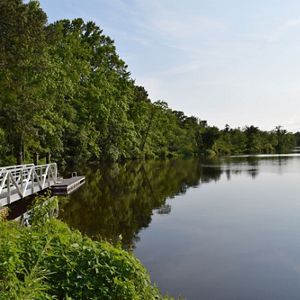
In 1997, Austin “Pete” Okie of Sussex County and his family placed a conservation easement on their 154-acre farm located on the Indian River. Prior to that, they provided financing for the Conservancy’s acquisition of more than 400 acres located adjacent to their property. Today, these lands and waters comprise the Bullseye-Ferry Landing Preserve.
The Bullseye-Ferry Landing Preserve represents the Delaware chapter’s first conservation easement agreement, paving the way for using this creative conservation tool to protect more of the state’s wetlands, forests and coastal areas. The Conservancy recognized the Okie family as national Conservation Heroes during its 50th anniversary celebration. In 2007, the Conservancy worked with Austin Okie again when it acquired an additional 118-acre property owned by the family. After permanent protections were put in place, the property was transferred to the state of Delaware, establishing it as the Marian R. Okie Memorial Wildlife Preserve at Poplar Thicket.
Size: 557 acres
Location: Located along the Indian River in southeastern Sussex County.
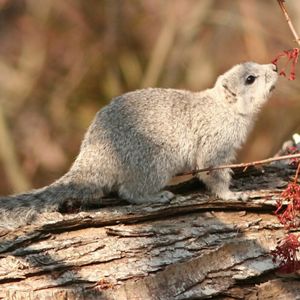
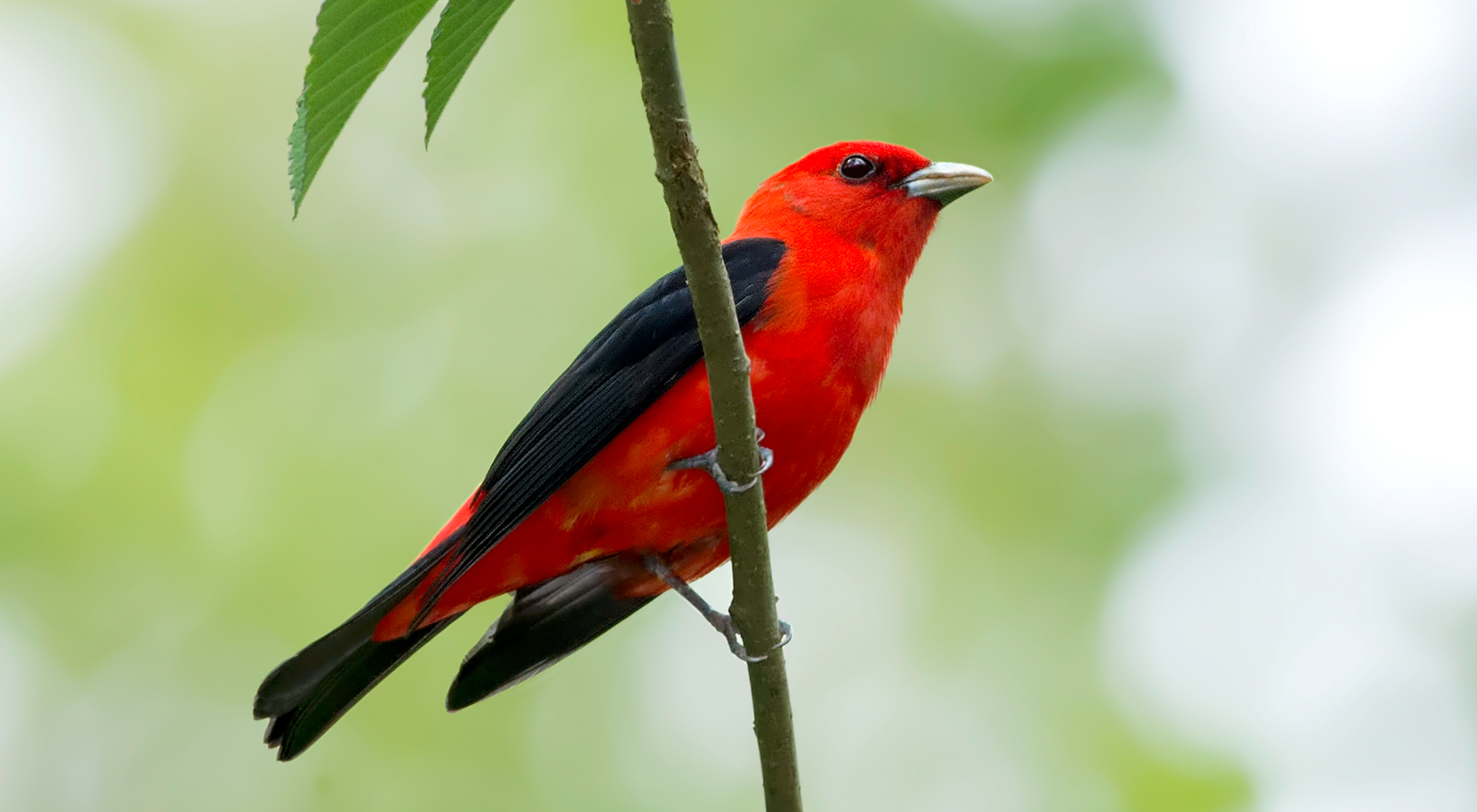
What’s At Stake: The diverse habitats of Bullseye-Ferry Landing support a wide variety of important plant life. The canopy of the dry upland forest is dominated by oaks, hickories, dogwoods, and the occasional state-rare shortleaf pine. Tidal marshes along the Indian River abound with salt hay, cordgrass, seaside goldenrod, groundsel tree and hightide bush. A small bog fed by a creek flowing from adjacent woodlands is home to several rare species, including twisted spike-rush, slender beakrush and delicate sedge. The mature woods and river frontage of Bullseye-Ferry Landing provide a valuable feeding, resting, and nesting habitat for more than 65 species of migratory songbirds such as the ovenbird, red-eyed vireo and scarlet tanager. Many species rely on the forest for habitat and nesting sites, including the hairy woodpecker, red-tailed hawk, eastern box turtle and five-lined skink.
Threats: Coastal forests and natural river shoreline habitats throughout this region are dwindling rapidly in the face of intense development pressure along the Indian River and the fragile inland bays at the river's mouth.
Action: Regularly monitor the property as part of the conservation easement agreement, which includes making sure that property postings remain in tact and keeping track of two small patches of Phragmites to ensure this pest plant does not spread further.
Have you been to this preserve? Are you thinking of visiting? See what others are saying about their experiences and add your comments below.
Time for you to join the discussion. Tell us about your experience at this preserve. What plants and animals did you see? When did you go? You can help others plan their visit when you share your thoughts. And thank you for visiting one of our nature preserves!
Whether scary or exciting, nature has a way of sneaking up on you. See stories
Hear some of nature's success stories and see how nature matters to us all. Watch videos