

We're working with you to make a positive impact around the world in more than 35 countries, all 50 United States and your backyard. Support our work
Yes
How to Prepare for Your Visit View All
Why You Should Visit
This preserve offers a 1.5-mile hike on a loop trail through varied terrain. After much of the area’s upland was reforested following agricultural use, the charcoal industry cleared nearly all the drier forest in the mid- to late-1800’s. Many of the remnant charcoal pits, where wood was slowly burned in mounds until it became charcoal, are still visible today. The charcoal-making process, which provided fuel for the iron industry, was eventually abandoned, and the forest returned. The upland oak woods are today estimated to be between 60 and 100 years old.
Location
Kent
Size
300 acres
Why the Conservancy Selected This Site
Mrs. Walter E. Irving donated 257 acres in 1974, with subsequent gifts totaling 26 acres from Brigitta Lieberson and Joseph Gitterman.
What the Conservancy Has Done/Is Doing
In 1991, The Nature Conservancy received a gift of 20.3 acres of undisturbed upland forest at Iron Mountain. After this donation from Vilma Kurzer of Kent, the Iron Mountain Preserve now stands at more than 303 acres and links land protected by the Conservancy and the Kent Land Trust.
Hours
Dawn to dusk
Conditions
There is a 1.5-mile trail through an old apple orchard, across a charcoal pit and over the summit of Ore Hill.
What to See: Plants
The preserve’s well-drained uplands are dominated by large sugar maple, ash, red oak and black birch trees. The understory is largely filled with young hardwoods, maple-leaved viburnum and witch hazel. The hike uphill goes through a stand of striped maple, named for its green-and-white-striped trunks. This species has enormous leaves, sometimes eight inches across, that some say resemble the webbed foot of a goose. In summer, the greenish light that filters through these leaves is especially pretty. Violets and Canada mayflowers cover the trail in early spring, and shadbushes blossom in the increased light at the trail edge.
What to See: Animals
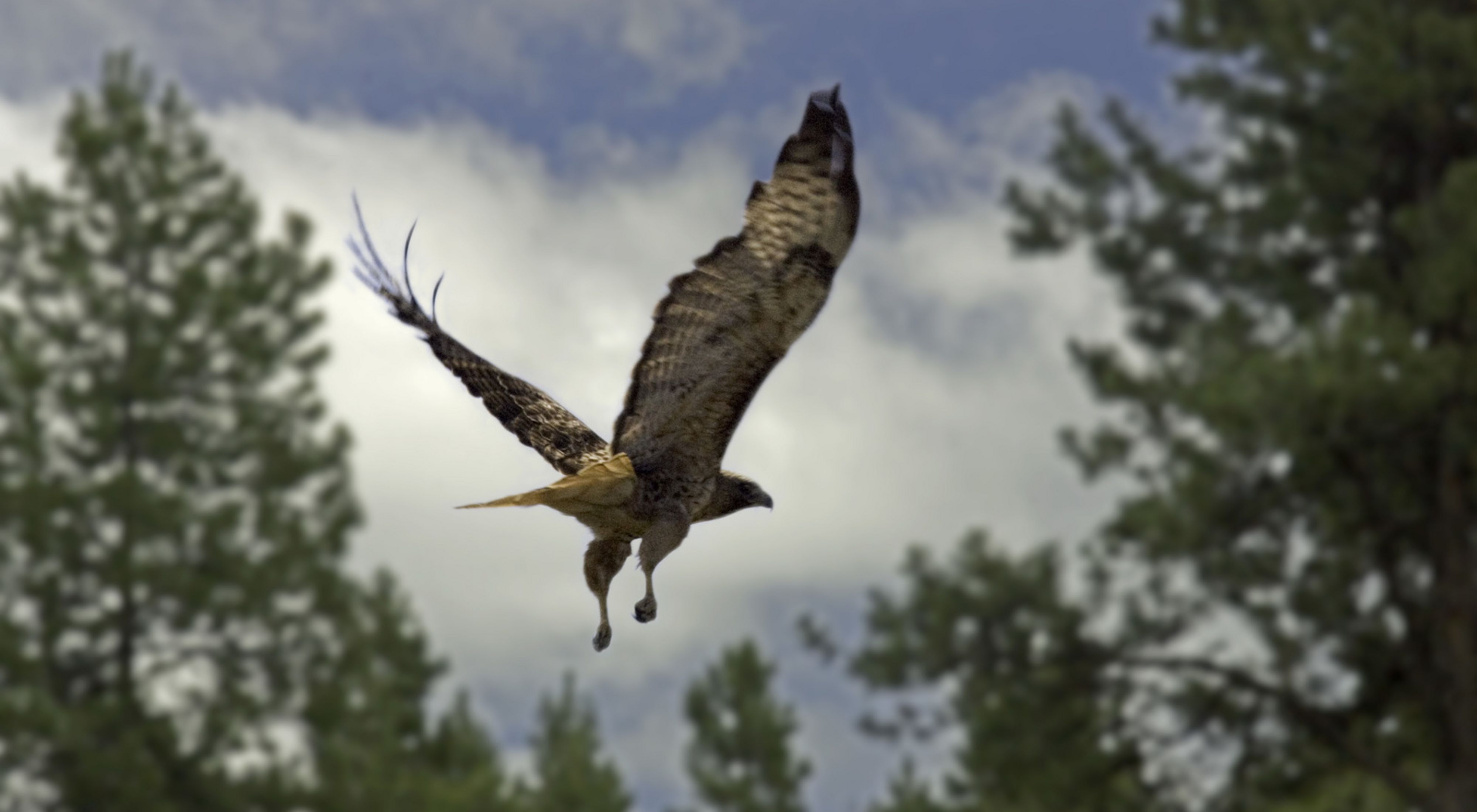
Some 27 bird species have been sighted at Iron Mountain.
Please enjoy your visit to this preserve. The Nature Conservancy welcomes passive recreation, including hiking, birding, canoeing, nature study and cross-country skiing.
To ensure those who visit after you are able to enjoy the same experience you have, please remember to stay on designated trails, pack out everything you brought in, and contact our office at: 203 568 6270 or ct@tnc.org if you notice any problems.
To maintain the ecological integrity of the preserve, the following activities are not allowed: collection of plant or animal specimens, camping, fires, fishing, hunting, bicycling, and use of motorized vehicles. Pets are not allowed on Nature Conservancy preserves.
From south and east:
From the north:
From South Road:
Have you been to this preserve? Are you thinking of visiting? See what others are saying about their experiences and add your comments below.
Time for you to join the discussion. Tell us about your experience at this preserve. What plants and animals did you see? When did you go? You can help others plan their visit when you share your thoughts. And thank you for visiting one of our nature preserves!
Whether scary or exciting, nature has a way of sneaking up on you. See stories
Hear some of nature's success stories and see how nature matters to us all. Watch videos
Sunrise on the Connecticut River in Turtle Cove Preserve, Essex, Connecticut. © Jerry and Marcy Monkman/EcoPhotography.com