

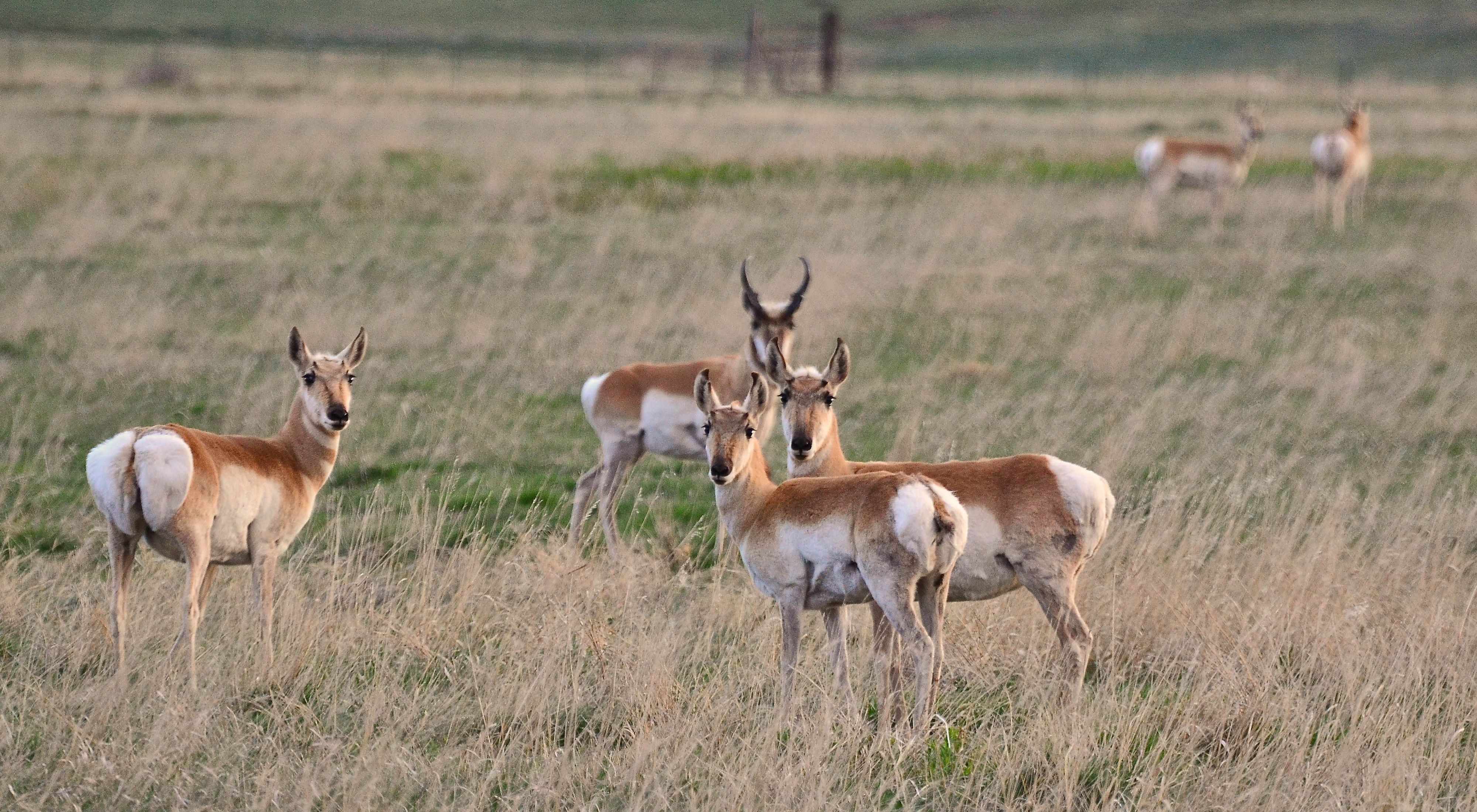


Description
Studded with rare Monterey pine forest and boasting coastal prairie, marshes, and sage scrub, interspersed with rolling grasslands and maritime chaparral, the San Luis Obispo County coastline is beloved by county residents and visitors from around the world.
By contrast, the county's interior is a rich mosaic of fertile grasslands, oak woodlands and savannas, riparian corridors, wetlands, and vernal pools — much of it adjacent to wilderness areas of the Los Padres National Forest. Further east, the vast Carrizo Plain is home to a diversity of endangered species unparalleled by any other landscape in the state.
One of TNC's most recent efforts, the San Luis Obispo County Project has protected more than 18,000 acres of natural areas, open spaces, and grasslands.
Location
Along California's spectacular Highway 1, San Luis Obispo County's coastline meanders for some 100 miles from the rugged cliffs at the southern gateway to Big Sur to the undulating Guadalupe-Nipomo Dunes, just south of Pismo Beach. Much of the county's 3,300 square miles (or more than two million acres) comprise its arid interior located east of the Santa Lucia Range and bisected by the Salinas River—"The Upside Down River"—which originates within the Los Padres National Forest and meanders north through San Luis Obispo and Monterey counties into Monterey Bay.
Why TNC Selected This Site
San Luis Obispo County is home to 250,000 people, a five-fold increase since 1950. Experts predict the population to more than double by 2040. In addition to rural residential and commercial development, another threat to the area's biodiversity is the fragmentation and conversion of grasslands to more intensified uses, such as vineyards and orchards.
What TNC is Doing
The Nature Conservancy has identified five priority areas of the county for protection from growth and development. These regions, which are large enough to present opportunities for landscape-scale conservation and our conservation goals, include:
- Cambria Pines. Preserve Cambria's Monterey pine forest—one of only three native stands left in the state, five in the world.
- Irish Hills. Protect key parcels within the 60,000-acre region, especially ones that are contiguous with Montaña de Oro State Park, other protected and public lands and coastal areas.
- Upper Salinas Oak Woodlands. Safeguard the area's oak woodlands, seasonal wetlands, vernal pools, grasslands, and streamside forests.
- Carrizo Plain National Monument. Protect key lands linking the 250,000-acre Carrizo Plain to Los Padres National Forest.
- Salinas, Estrella, San Juan Rivers. Preserve riparian corridors that provide movement channels and shelter to a vast array of species.
Our Partners
- The Land Conservancy of San Luis Obispo County
- Greenspace—the Cambria Land Trust
- The City of San Luis Obispo
- The Bay Foundation of Morro Bay
- Upper Salinas/Las Tablas Resource Conservation District
- California Rangeland Trust
- Numerous other city, state, and federal agencies